
Malaysia Vaping Ban: Lessons from French Health Study
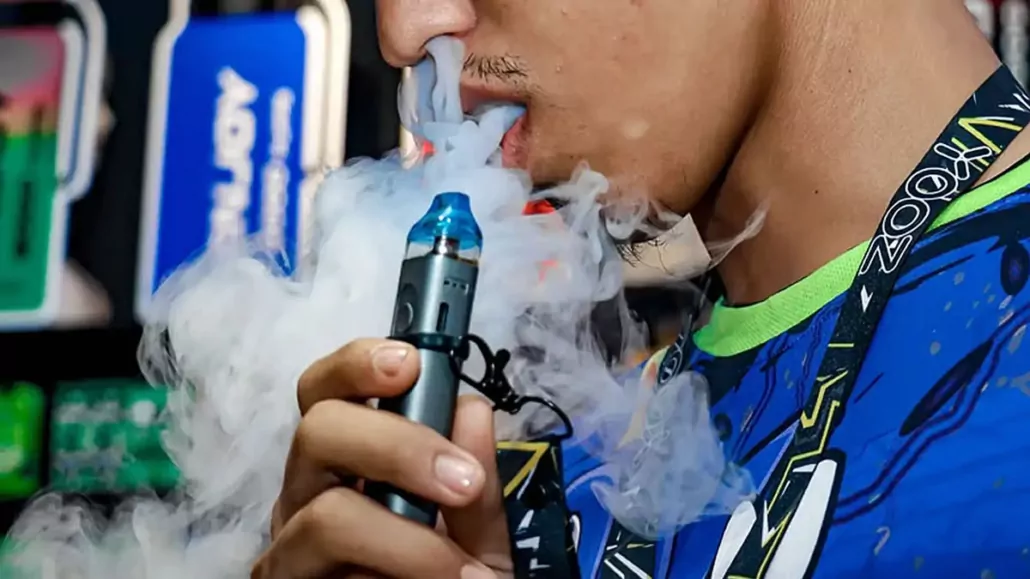
As Malaysia considers a total ban on vaping products, a major review by France’s health authority (ANSES) suggests a different path. The study confirms that vaping significantly reduces exposure to toxic substances compared to smoking, arguing for regulation over prohibition to support harm reduction.
Malaysia is standing at a legislative crossroads. The government is moving toward a nationwide ban on vaping products, a decision driven by the noble intent to protect public health. However, before finalizing this prohibition, policymakers should closely examine the latest scientific findings from France. The French national health authority, ANSES, recently released a comprehensive review of hundreds of scientific papers involving thousands of users. Their conclusion challenges the logic of a total ban.
The ANSES findings are clear: vaping sharply reduces exposure to many of the toxic and cancer-causing substances found in traditional cigarette smoke. The science behind this is straightforward. By eliminating combustion—burning tobacco—vaping removes the primary mechanism that generates the most harmful chemicals. While the French experts emphasize that vaping is not entirely risk-free, they conclude that the health effects are generally far less severe than those caused by smoking.
- Read more: Vaping vs. Smoking: Is Vaping Less Harmful?
This is not industry propaganda. ANSES is an independent government agency responsible for assessing health risks. Their endorsement of the relative safety of vaping validates the concept of harm reduction. For adult smokers, switching to e-cigarettes can be a life-saving transition. If Malaysia proceeds with a total ban, it risks removing this safer alternative from the market. The unintended consequence? Many former smokers may relapse, returning to the far more dangerous habit of smoking cigarettes.
Furthermore, prohibition often fuels the black market. Malaysia already struggles with illicit cigarettes and unregulated vape liquids. A ban will not erase demand; it will simply drive it underground, where products are unmonitored and potentially adulterated. A more pragmatic approach would be strict regulation: enforcing age limits, setting product safety standards, and cracking down on sales to minors, while keeping the door open for adult smokers seeking a better alternative.

- Which States Still Grow America’s Tobacco? The Post-Buyout Era - June 17, 2026
- Pennsylvania: Pittsburgh Passes Strict Vape Shop Zoning Bill - June 10, 2026
- Ohio: Yellow Springs Halts New Smoke Shops with 180-Day Freeze - June 10, 2026
Related posts:
 Vaping Remains Legal in French Polynesia as Ban Overturned
 The Ultimate Cannabis Glossary: 150+ Terms for Modern Consumers
 Quality Control in Vape Manufacturing: The Importer’s Guide
 Is It Illegal to Vape or Smoke While Driving in Connecticut?
 Indonesia: “We Ban the Drug, Not the Vape” in Contrast to Singapore
 Do 50K Puff Vapes Actually Deliver 50,000 Puffs?

