Vaping vs. Smoking: Is Vaping Less Harmful? (2025 Guide)

In the realm of public health and personal well-being, few topics have sparked as much debate and confusion in recent years as vaping. A decade ago, the prevailing view among smokers was that e-cigarettes offered a safer alternative to traditional tobacco. Fast forward to today, and public opinion has undergone a dramatic reversal. A significant majority now believe that vaping is just as dangerous, if not more so, than smoking cigarettes.
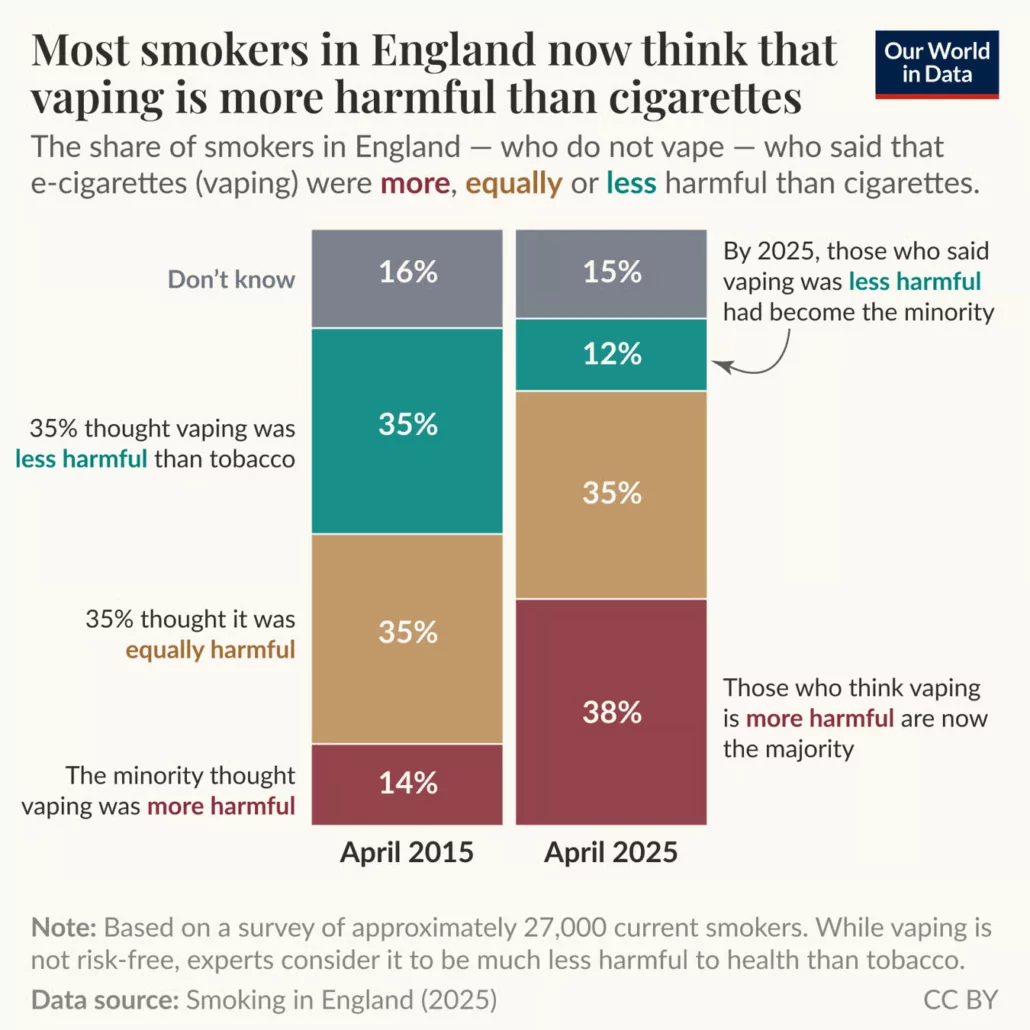
This shift in sentiment is hardly surprising given the media landscape. Headlines in major newspapers frequently paint a grim picture, often equating the risks of vaping with the well-documented devastation caused by tobacco. This negative discourse coincides with the explosive popularity of e-cigarettes. In the United Kingdom, for instance, the number of vapers now rivals the number of smokers, with roughly one in ten adults using these devices. While cigarette smoking rates have plummeted since their peak in the 1970s, vaping has surged from a niche novelty to a mainstream habit in a relatively short span.
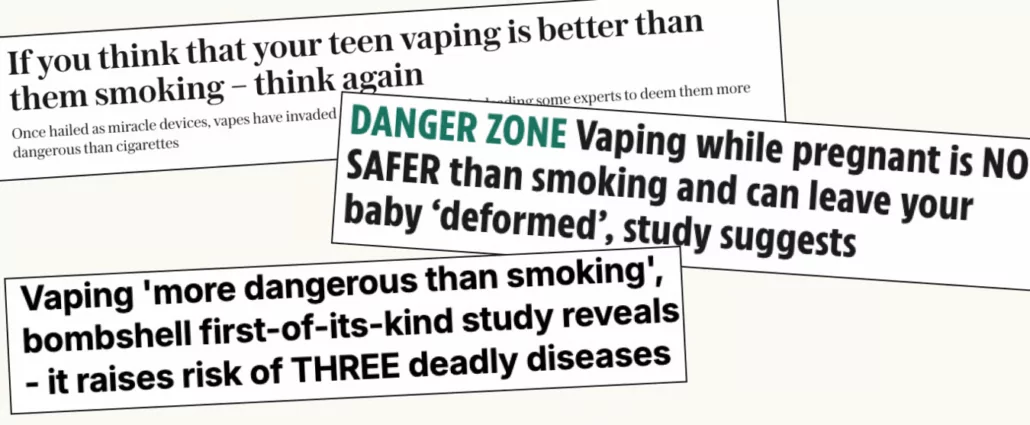
But does this shift in public perception align with scientific reality? Are we witnessing a positive public health development, or are millions simply trading one harmful addiction for another? This comprehensive guide addresses the most pressing questions surrounding vaping, dissecting the evidence on health risks, its efficacy as a quitting tool, and the concerns regarding youth uptake. The goal is to cut through the noise and determine whether British smokers are right to be skeptical, or if a crucial harm reduction opportunity is being lost to misinformation.
The Crucial Comparison: Health Risks of Vaping vs. Cigarettes
The fundamental question at the heart of the debate is this: Is vaping as harmful as smoking? If the answer were yes, then the migration of smokers to e-cigarettes would offer no public health benefit. However, the scientific consensus suggests this is emphatically not the case. While no credible health authority claims vaping is risk-free, the evidence overwhelmingly indicates that it is substantially less harmful than smoking combustible tobacco.
To understand why, we must look at the nature of the harm caused by smoking. Tobacco use is a catastrophic health hazard. It is the leading risk factor for early death in the UK, surpassing obesity, high blood pressure, and environmental factors. American men who smoke, for example, are approximately 21 times more likely to die from lung cancer than non-smokers. The list of diseases linked to smoking is exhaustive, ranging from strokes and heart disease to a multitude of cancers.
The primary culprit is combustion. Lighting a cigarette burns dried tobacco leaves, a process that generates a toxic cocktail of thousands of chemicals. This smoke contains tar, carbon monoxide, benzene, cadmium, and polycyclic aromatic hydrocarbons—many of which are potent carcinogens. Inhaling this smoke damages the lungs and wreaks havoc on organs throughout the body.
Vaping operates on a different principle. E-cigarettes heat a liquid to create an aerosol (vapor) that is inhaled. Because there is no combustion—no burning of organic matter—the number and level of toxins released are significantly lower than in cigarette smoke. This reduction in toxic exposure is the basis for the harm reduction argument.
However, “less harmful” does not mean “harmless.”
- Nicotine: Most vapes contain nicotine, the addictive substance found in tobacco. While nicotine itself is relatively benign for most adults in terms of long-term disease risk (it doesn’t cause cancer), it raises heart rate and blood pressure and is highly addictive.
- Other Chemicals: Vape aerosols can contain solvents, flavorings, and trace amounts of metals from heating coils. Some flavorings can create harmful byproducts when heated.
- Lung Irritation: Inhaling any aerosol can irritate the lungs and may exacerbate conditions like asthma or bronchitis.
Critics often point out the lack of multi-decadal data on vaping. While true compared to centuries of tobacco use, e-cigarettes have been commercially available for over 20 years. If they posed health risks comparable to smoking, significant signals would likely have emerged by now. Instead, our understanding of the ingredients and exposure levels supports the conclusion that they are far less damaging.
The stance of major health bodies is clear: while vaping is not recommended for non-smokers, it is a valuable tool for smokers. As Chris Whitty, Chief Medical Officer for England, succinctly put it: “If you smoke, vaping is much safer; if you don’t smoke, don’t vape.”
Addressing Common Myths and FAQs
Despite the general consensus on lower harm, specific fears often dominate the headlines. Let’s address some of the most frequent concerns.
Do Vapes Deliver More Nicotine Than Cigarettes?
A common claim is that a single vape can deliver the nicotine equivalent of 50 cigarettes, implying a massive overdose risk. This comparison is often misleading without context on usage duration.
A typical pack of 20 cigarettes contains 200-300mg of nicotine, but only a fraction (around 1-1.5mg per cigarette) is absorbed into the bloodstream. A standard 2ml vape in the UK (at the legal limit of 20mg/ml) contains 40mg of nicotine. With roughly 50% absorption, a user gets about 20mg from the entire device—comparable to the absorbed nicotine from a pack of 20 cigarettes.
Considering the average UK smoker consumes 10-11 cigarettes a day, a 2ml vape lasting one to two days provides a very similar nicotine intake. While heavy vapers can consume more, and light vapers less, the Royal College of Physicians has concluded that, on average, daily nicotine intake is similar for smokers and e-cigarette users.
Is Vaping Dangerous During Pregnancy?
Sensational headlines have suggested vaping is “no safer” than smoking for pregnant women, often citing animal studies. One such study exposed a small number of pregnant mice to nicotine vapor, resulting in offspring with delayed skeletal development. While concerning, extrapolating findings from 12 mice to humans is scientifically tenuous.
Human studies are unfortunately of mixed quality. However, logic dictates that since smoking tobacco is known to increase pregnancy risks significantly, and vaping eliminates the carbon monoxide and tar responsible for much of that harm, vaping should carry lower risks. That said, nicotine itself can cross the placenta and may affect fetal development. Therefore, the guidance remains: vaping is likely safer than smoking, but the safest option for pregnant women is to use no nicotine products at all.
Does Vaping Cause “Popcorn Lung”?
“Popcorn lung” (bronchiolitis obliterans) is a serious lung condition linked to inhaling diacetyl, a flavoring chemical. The association comes from workers in a popcorn factory who developed the disease. While diacetyl has been found in some e-liquids in the past, there has not been a single confirmed case of popcorn lung attributed to vaping.
Furthermore, cigarette smoke contains significantly higher levels of diacetyl than vape vapor—up to ten times more—yet popcorn lung is not a condition typically seen even in heavy smokers. Crucially, diacetyl is now banned as an ingredient in e-cigarettes in the UK and many other jurisdictions.
Is Vaping Actually Effective for Quitting Smoking?
The tragedy of the smoking epidemic is that most smokers want to quit but find it incredibly difficult due to addiction. This is where vaping shines. Research consistently suggests that e-cigarettes are one of the most effective tools for smoking cessation.
A 2024 Cochrane Review—the gold standard for evidence-based medicine—found “high certainty evidence” that e-cigarettes are more effective than traditional nicotine replacement therapies (like patches and gum) for helping people stop smoking. This level of certainty is rare in such reviews.
In the UK, the rise of vaping has coincided with increased success rates for quitting. Over half of British smokers who successfully quit in the last five years used e-cigarettes. While not a magic bullet, they have helped millions transition away from tobacco. For those who continue to smoke while vaping (dual users), the health benefits are reduced unless they eventually quit smoking entirely, but reducing cigarette consumption is still a positive step.
The Perception Gap: Why Smokers Fear Vaping
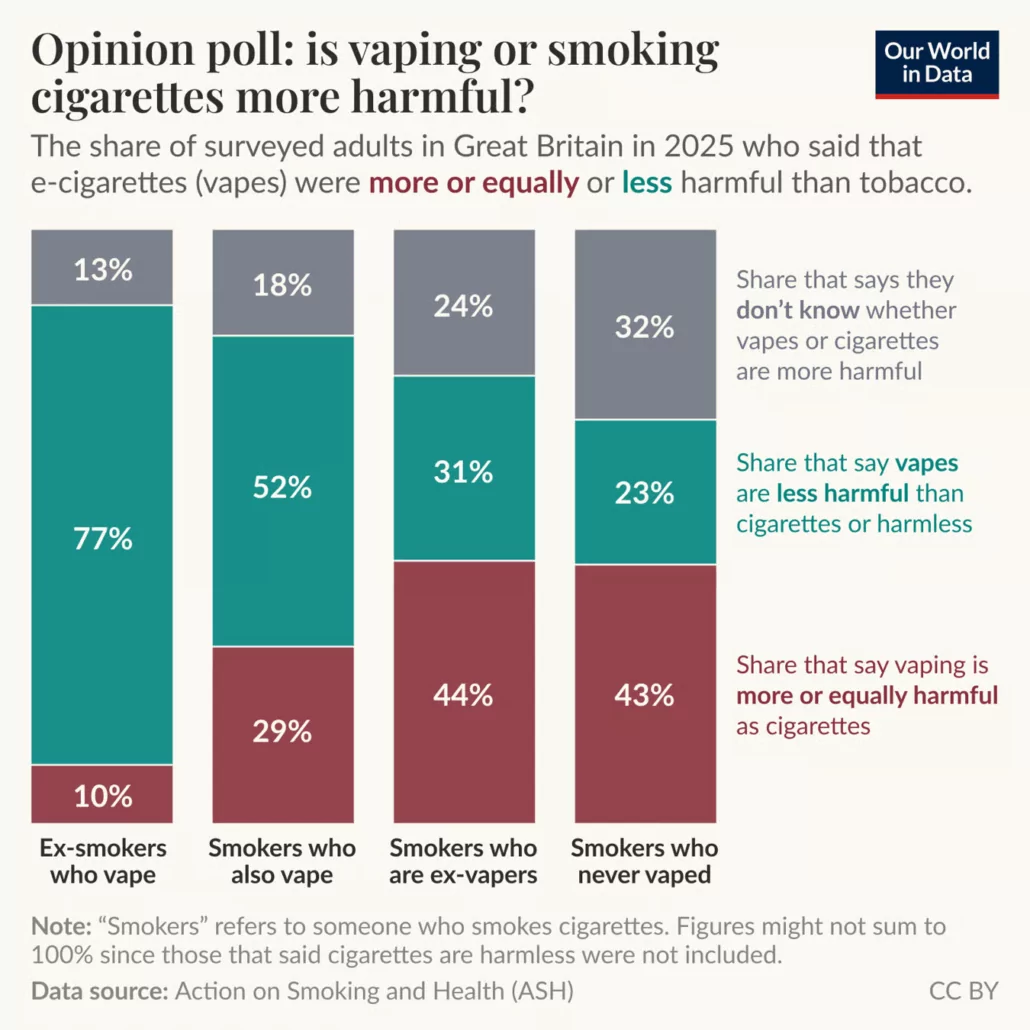
If vaping is a potent tool for quitting, why are smokers increasingly wary of it? Survey data from Action on Smoking and Health (ASH) reveals a stark divide. Smokers who have successfully switched to vaping correctly perceive it as less harmful. However, smokers who have never tried vaping often believe it is just as, or more, harmful than smoking.
This misperception is dangerous. It acts as a barrier, preventing smokers from trying a method that could save their lives. Around one-third of smokers cite safety concerns as their reason for not trying vapes. Closing this knowledge gap is essential for public health.
The Youth Vaping Concern: A Gateway to Smoking?
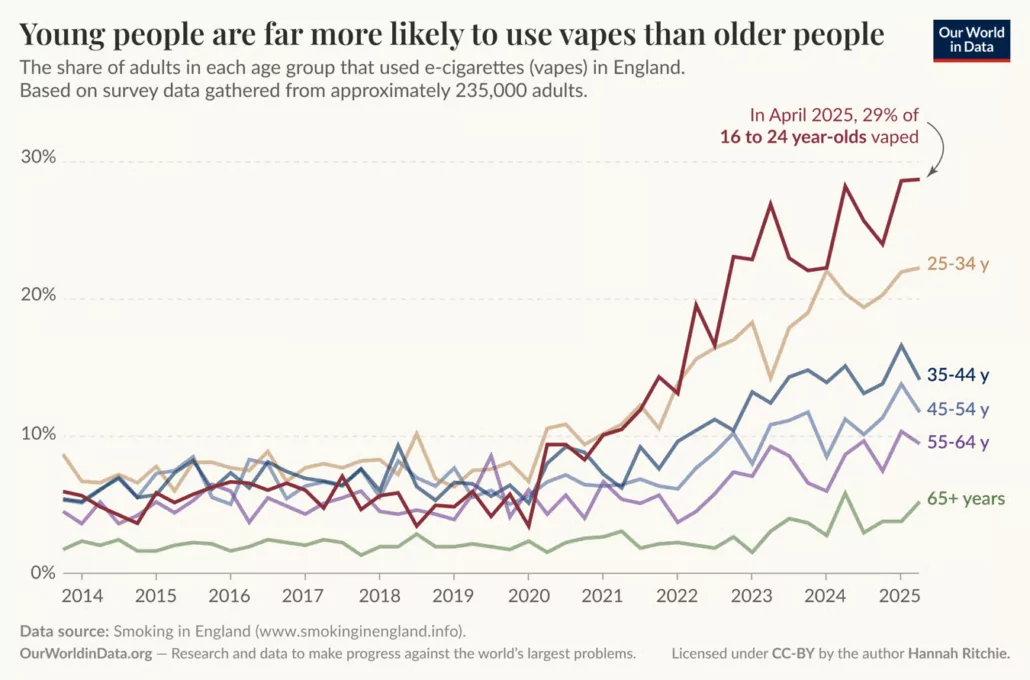
The most valid and pressing concern regarding vaping is its popularity among young people. In the UK, nearly 30% of 16-24-year-olds vape, a rate far higher than older demographics. This raises fears that vaping could act as a “gateway” to traditional smoking.
It is true that young people who vape are statistically more likely to try smoking. However, correlation does not equal causation. It is highly plausible that young people prone to risk-taking behavior are simply more likely to try both products (“common liability”).
If vaping were a true gateway driving mass smoking uptake, we would expect to see youth smoking rates rise as vaping rates soar. The data does not support this. In England and the US, youth smoking rates have continued to plummet to historic lows even as vaping has become common. This suggests that while some individual teens may move from vapes to cigarettes, at a population level, vaping is not reversing the decline in smoking. In fact, it may be displacing smoking for some.
The real issue is likely not a gateway to smoking, but rather a new cohort of young people addicted to nicotine who would otherwise have never smoked. While nicotine addiction is not ideal, it carries far fewer health risks than smoking. The challenge for policymakers is to minimize youth access without restricting a life-saving tool for adult smokers.
Conclusion: Closing the Gap to Save Lives
The evidence is clear: the belief held by many British smokers that vaping is as harmful as smoking is incorrect. Vaping, while not risk-free, is substantially less harmful and is the most effective quitting aid currently available. A smoker who switches to vaping significantly reduces their risk of serious disease and death.
The negative public sentiment, fueled by alarming headlines and valid but sometimes overstated concerns about youth use, is creating a barrier to cessation. Policymakers face the difficult task of balancing youth protection with harm reduction for adults. However, the stakes could not be higher. Smoking kills millions annually. Correcting misconceptions about vaping is not just about setting the record straight; it is a vital public health intervention that could save countless lives.

- Philippines Mandates Safety Certification for Nicotine Pouches - October 12, 2026
- Poland’s Vape Tax Dispute Exposes Inflated Claims and Foreign Loopholes - October 12, 2026
- Turkey to Require National ID Numbers for Tobacco and Cigarette Sales - October 12, 2026