Next Generation Products: Vapes, HTPs & Harm Reduction Guide

The global tobacco industry is undergoing a seismic shift, moving away from conservative combustible products like cigarettes toward “Next Generation Products” (NGPs). This evolution is driven by a dual demand: consumers seeking lower health risks and global powers enforcing stricter tobacco control measures. NGPs, which include vapes, heated tobacco, and oral nicotine pouches, represent a fundamental technological pivot—replacing the “old school” burning of organic matter with advanced heating and aerosolization systems.
Key Takeaways
- Technological Pivot: The industry is transitioning from combustion (burning) to aerosolization (heating) to reduce toxic chemical exposure.
- Harm Reduction: Heated Tobacco Products (HTPs) reportedly reduce Harmful and Potentially Harmful Constituents (HPHCs) by 90%-95% compared to cigarette smoke.
- Oral Innovation: Tobacco-free nicotine pouches (like Zyn) offer a discreet experience with less than 1% of the dangerous chemicals found in traditional cigarettes.
- Regulatory Oversight: In the UK, the Tobacco and Related Products Regulations (TRPR) strictly govern nicotine limits and ingredient safety.
The Journey From Combustion to Aerosolization
Our analysis of the current market landscape reveals that the core innovation of NGPs lies in the method of delivery. Traditional cigarettes rely on combustion, a process that generates thousands of toxic and carcinogenic chemicals dispersed directly into the lungs and environment. On the flip side, reduced-risk NGPs avoid this entirely. By heating tobacco or liquids to a precise temperature, they produce an inhalable aerosol rather than smoke.
This fundamental change alters the chemical profile of what users inhale. Scientific studies suggest that this shift results in significantly lower exposure levels compared to conventional tobacco. However, researchers remain active in monitoring long-term health outcomes to verify if this “cleaner profile” translates to reduced disease rates over decades.
The Role of Vaping in Harm Reduction
Vaping has emerged as the flagship of the NGP movement. As nicotine dependency shifts away from conventional tobacco, reusable vapes are being signaled as a sustainable, controlled, and low-risk option for smokers. Unlike the “rocket science” perception some new users have, the mechanism is straightforward: a device heats a liquid containing nicotine and flavorings to generate aerosol.
Interestingly enough, the versatility of these devices allows for a personalized approach to cessation. Users can adjust power output and choose between prefilled or refillable liquids, giving them control over their nicotine intake. In the UK, this market is tightly regulated by the TRPR, which addresses common user concerns—such as “does vaping cause bloating?”—by enforcing strict ingredient standards and safety protocols.
Ecigator is one of the well-known vape brands spun off from KangSiDe Technology Co., Ltd, it’s an ISO-certified disposable vape manufacturer for OEMs, ODMs, and OBM since 2010. The founder team comes from top firms with more than 10 years of experience in the vaping industry and has devoted thousands of hours to providing users with a better and better experience.
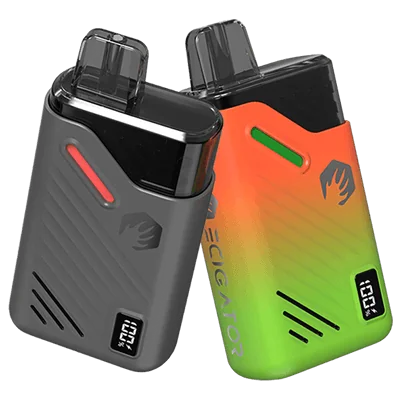
18K Disposable Pod Kit
Disposable Pod Kit – 18ml changeable pod with 650mAh rechargeable battery.
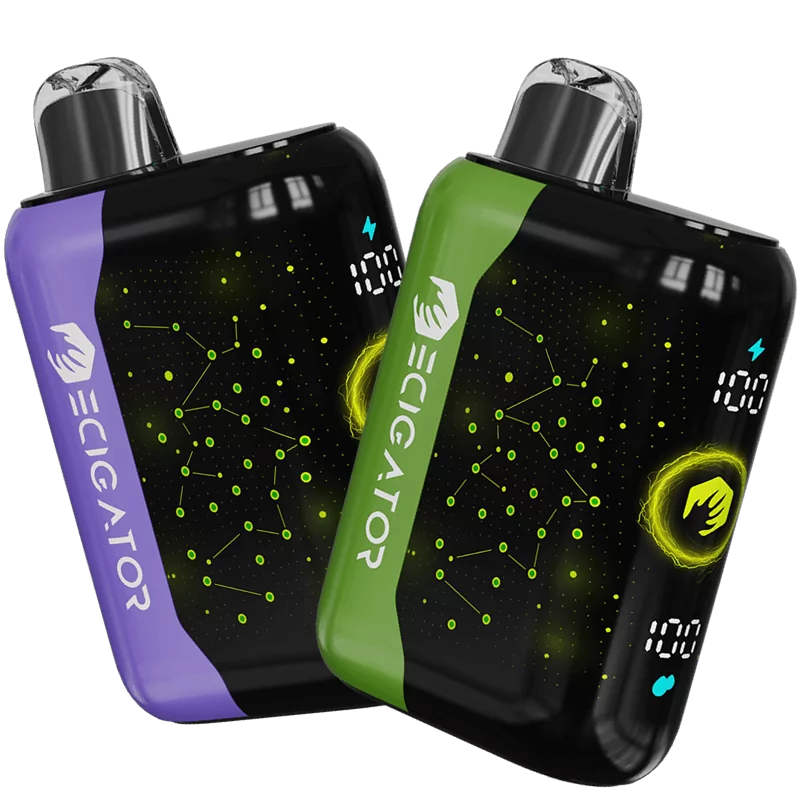
35K with Large Screen
35000 Puffs Disposable Vape with 3D galaxy screen. Eco and Pulse working modes.
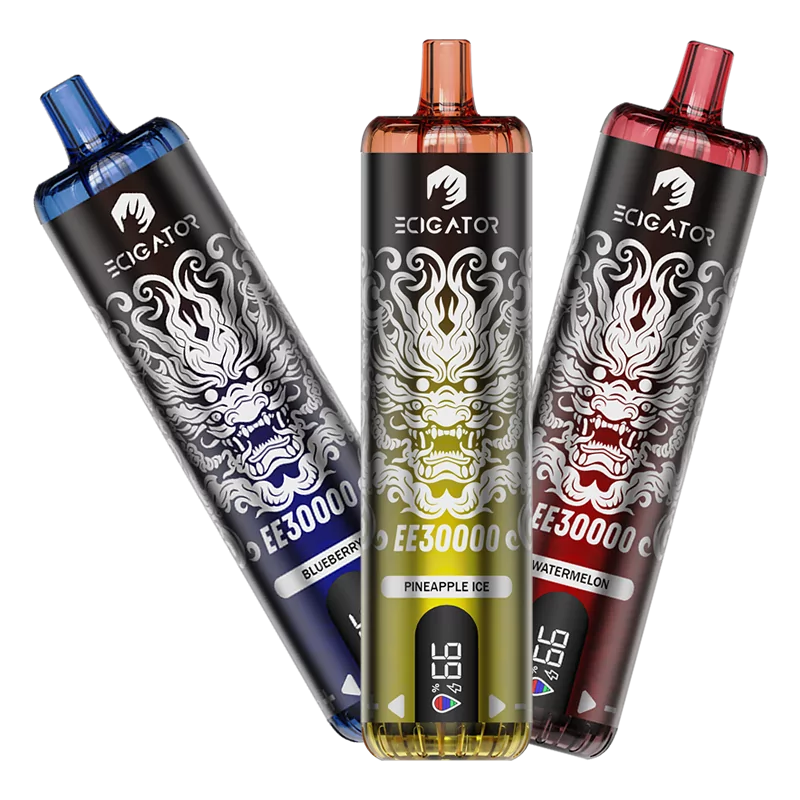
30K DTL Disposable
30K Puffs DTL(Directly to Lung) disposable vape with airflow control and screen.
Beyond Vaping: The Rise of Heat-Not-Burn and Oral Pouches
While vaping dominates the headlines, other NGPs are carving out significant market share by offering different user experiences.
Heated Tobacco Products (HTPs)
HTPs represent a middle ground for users who miss the taste of real tobacco. These “heat-not-burn” devices heat specially designed tobacco sticks to a temperature just below combustion. This process releases nicotine without burning the leaf, resulting in a simpler chemical composition than cigarette smoke. Data indicates that this method achieves a 90% to 95% reduction in harmful constituents, offering a familiar ritual with reduced toxicity.
Oral Nicotine Products (ONPs)
For those seeking a completely smokeless and discreet option, tobacco-free oral nicotine pouches (such as Zyn) are gaining traction. These small pouches are placed under the lip, delivering nicotine through the gum tissue without any combustion or inhalation. The risk profile is exceptionally low, containing less than 1% of the dangerous chemicals found in combustible cigarettes. Their discreet nature makes them particularly popular among users who cannot vape or smoke in their daily environments.
Comparison Matrix: NGP Technologies vs. Cigarettes
To understand the evolution, we must compare the operational mechanisms and risk profiles of these new technologies against the traditional cigarette.
| Feature | Traditional Cigarette | Vaping (E-Cigs) | Heated Tobacco (HTP) | Oral Pouches (ONP) |
|---|---|---|---|---|
| Mechanism | Combustion (Burning) | Vaporization (Liquid) | Heating (Solid Tobacco) | Absorption (Gum Tissue) |
| Chemical Profile | Thousands of toxins | Aerosol (Reduced toxins) | Aerosol (90-95% less HPHC) | <1% of cigarette chemicals |
| User Experience | Smoke & Ash | Flavored Clouds | Tobacco Taste / No Ash | Invisible / Discreet |
| Primary Risk | High (Cancer/Respiratory) | Lower (Long-term unknown) | Reduced (Heat exposure) | Lowest (Addiction only) |
Future Outlook: Synthetic Nicotine and Smart Tech
The evolution is far from over. The industry is moving toward even more advanced solutions, such as dissolvable strips, micro-dosing nasal sprays, and smart wearable devices that automatically adjust nicotine delivery. A key trend to watch is the rise of synthetic nicotine—lab-created nicotine that contains no tobacco derivatives. This offers a “cleaner” profile for users who want to dissociate entirely from the tobacco plant.
Innovation is now tech-driven, focusing on consistency, temperature control, and safety. Regulatory frameworks are evolving alongside these technologies, implementing flavor bans and strict policies to ensure that “harm reduction” does not become a gateway for youth initiation. As Rebecca Roberts, Sales Marketing Manager at Vapoholic Distribution, notes, this evolution showcases an intersection of technology, behavioral patterns, and public policy, ultimately changing how nicotine is consumed globally.

- Indonesia: Denpasar Updates Smoke-Free Bylaw to Tighten Vape Rules - October 20, 2026
- Teen Girls Surpass Boys in Vaping Rates, Reversing Historic Trends - October 20, 2026
- Alabama: Irondale Proposes Public Vaping Ban with Fines Reaching $200 - October 20, 2026