
Mexico’s Vape Regulation Debate: to Ban or to Legalize?
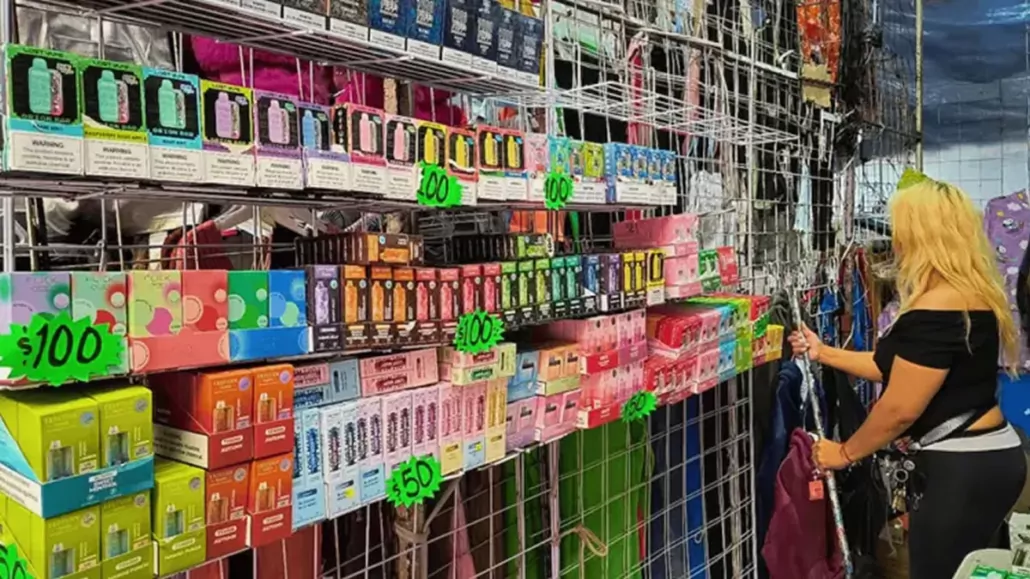
Mexico stands at a critical crossroads that will define its public health and economic future regarding vaping. Following a constitutional reform to ban e-cigarettes, the nation’s lawmakers are now tasked with drafting the secondary laws that will determine the practical reality: a complete prohibition that fuels an illicit market, or a regulated framework that embraces harm reduction. This decision pits a hardline prohibitionist stance against evidence-based arguments for regulation from public health experts and international organizations.
The Argument for a Regulated Market
Advocates for regulation, including the World Vapers’ Alliance (WVA), argue that prohibition is a failed strategy. They contend that banning these products does not eliminate demand but simply cedes the entire market to criminal organizations, removing all safety controls and age verification. A regulated model, by contrast, would establish quality standards and restrict sales to adults. Furthermore, the economic benefits are substantial. A 2025 study from El Colegio de México estimates that a regulated and taxed e-cigarette market could generate up to MX$6.94 billion in annual revenue, providing a new fiscal resource while protecting consumers.
The Push for an Outright Ban
The drive for prohibition is backed by the current administration and supported by the World Health Organization (WHO), which warns about youth uptake and potentially toxic compounds in e-cigarette vapor. The constitutional amendment frames the ban as a public health and security measure, a move critics say conflates vaping with far more dangerous illicit activities. This stance overlooks a key harm reduction principle, supported by findings from the UK’s National Health Service, that vaping is significantly less harmful than smoking combustible tobacco.
Untapped Potential: Vaping Tech in Medicine
Adding another layer to the debate is the evolving use of vaping technology in the medical field. Companies in North America are already developing vape-like nebulizer devices to deliver treatments for conditions like asthma and migraines, offering faster drug absorption. This innovation highlights that the underlying technology is not inherently harmful and has significant potential for regulated medical applications. An outright ban in Mexico could stifle access to and development of such future health technologies.
Ultimately, the upcoming discussions on the General Health Law will be the true battleground. As WVA’s Alberto Gómez Hernández states, this is Mexico’s opportunity to build a modern policy that saves lives, strengthens the economy, and reduces crime by choosing intelligent regulation over a failed prohibitionist model.
- Reference: Mexico Faces Crossroads on Vape Regulation

- Indonesia: Denpasar Updates Smoke-Free Bylaw to Tighten Vape Rules - October 20, 2026
- Teen Girls Surpass Boys in Vaping Rates, Reversing Historic Trends - October 20, 2026
- Alabama: Irondale Proposes Public Vaping Ban with Fines Reaching $200 - October 20, 2026
Related posts:
 Tobacco Legislation Changes in Newfoundland Labrador
 Juul Labs Settles Underage Vaping Lawsuit with Chicago for $23.8 Million
 Celebrities Who Vape – List of Top Hollywood Vapers 2024
 Top 5 Best THC Carts in 2024 To Help You Relax & Unwind
 IVG 2400 Disposable Vape Review: A UK First with 8mL Capacity
 Singapore Intensifies Vape Enforcement, Fines Tourists Carrying Vapes at Changi Airport

