
Global Health Experts: Risk-Proportionate Nicotine Regulation Could Save 100M Lives

Leading scientists and former WHO officials argue that embracing lower-risk alternatives like e-cigarettes and nicotine pouches could halve smoking-attributable deaths by 2060.
Global public health experts are urging governments to adopt risk-proportionate regulations for nicotine products, warning that current tobacco control policies are failing the world’s one billion smokers. By prioritizing harm reduction alternatives—such as e-cigarettes and heated tobacco—researchers estimate that over 100 million premature deaths could be prevented globally by 2060.
Projected Impact of Tobacco Harm Reduction
The push for a policy “reset” is backed by substantial epidemiological and economic modeling. The following table highlights the projected public health and economic benefits of transitioning smokers to non-combustible alternatives.
| Metric / Scenario | Projected Outcome / Data Point |
|---|---|
| 20% Global Switch Rate (Next 10-15 Years) | Smoking-attributable deaths reduced by 50% by 2060. |
| Global Mortality Averted (Extrapolated) | Over 100 million lives saved (~3 million per year). |
| Relative Risk of Vaping (Public Health England) | Vaping is 95% less harmful than combustible cigarettes. |
| Economic Impact: Philippines (50% Switch Rate) | Savings of $3.4 billion annually (0.87% of GDP). |
The Case for a Policy “Reset”
At recent international conferences on tobacco harm reduction, a coalition of scientists emphasized that conventional cessation measures are insufficient. A joint report authored by former World Health Organization (WHO) officials Tikki Pang and Derek Yach, alongside economist Chris Snowdon and Peter Beckett, argues that policy frameworks must evolve to reflect the relative risk of different nicotine products.
“Our findings suggest that embracing harm reduction alongside conventional measures could roughly double the lives saved compared to current policies alone,” the authors stated, noting that across 23 analyzed countries, over 14 million premature deaths could be averted by 2060.
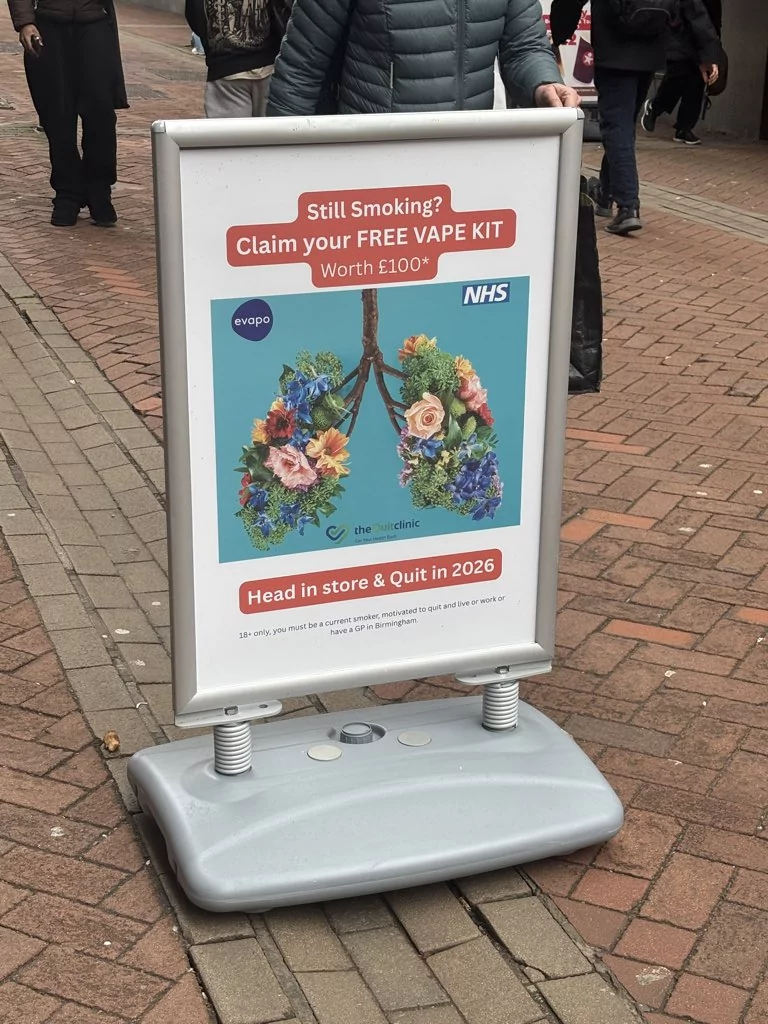
Epidemiological Evidence and Clinical Support
The call for risk-proportionate regulation is supported by leading clinical institutions. A highly respected Cochrane review concluded that e-cigarettes are significantly more effective than traditional nicotine replacement therapies (NRTs) for smoking cessation. Dr. Robert West of University College London and Dr. David Nutt of Imperial College London both stressed that while smoking continues to cause eight million deaths globally each year, smoke-free alternatives drastically reduce risks for those who cannot or will not stop using nicotine.
Furthermore, research published in JAMA Network Open by the Rutgers Institute for Nicotine and Tobacco Studies highlights the efficacy of modern oral products. Institute Director Cristine Delnevo noted that moving users “down the risk continuum with nicotine pouches is likely good for public health.”
Expert Verdict: A Scientific Consensus
The momentum for risk-proportionate regulation is culminating in a unified scientific consensus. At a recent panel in Athens organized by the International Association on Smoking Control & Harm Reduction (SCHORE), nearly 200 experts from 51 countries issued a definitive position statement: lower-risk alternatives must be actively encouraged alongside traditional prevention. As demonstrated by Professor Christopher Cabuay’s economic modeling in the Philippines, failing to integrate harm reduction into national policy not only costs millions of lives but also inflicts severe, avoidable economic damage on national healthcare systems.

- Indonesia: Denpasar Updates Smoke-Free Bylaw to Tighten Vape Rules - October 20, 2026
- Teen Girls Surpass Boys in Vaping Rates, Reversing Historic Trends - October 20, 2026
- Alabama: Irondale Proposes Public Vaping Ban with Fines Reaching $200 - October 20, 2026