 Vaping News
Wisconsin Imposes $1,000 Daily Fines on Unlisted Hemp Vapes Starting Sept. 1
The Wisconsin Department of Revenue will begin issuing fines of $1,000 per day for each unlisted hemp vaping device offered for sale starting September…

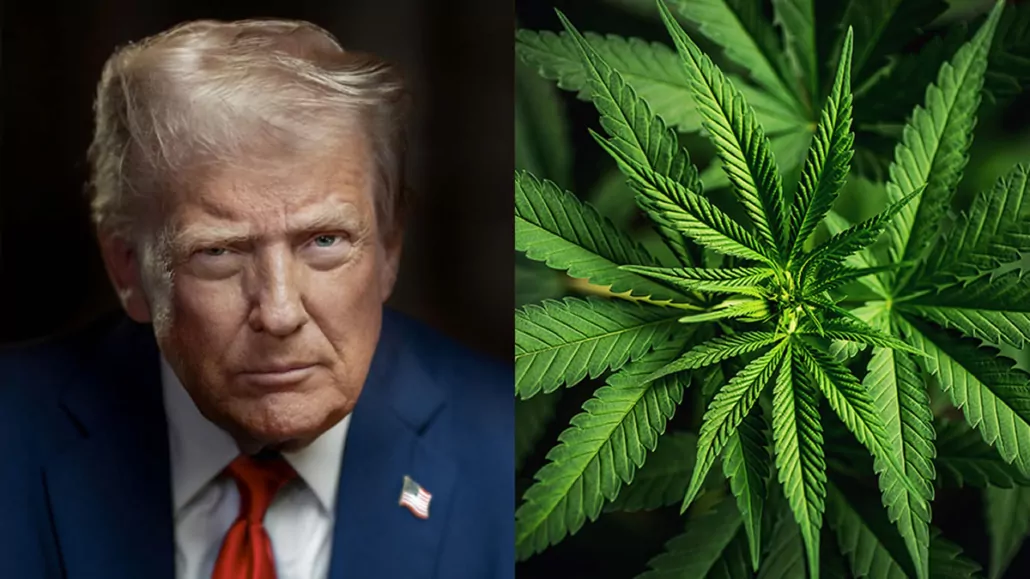
The rescheduling of marijuana from Schedule I to Schedule III, as directed by President Trump’s Executive Order 14370, could fundamentally transform health insurance coverage. This shift may allow medical marijuana expenses to be reimbursable through HSAs, FSAs, and HRAs, and could lead to coverage for doctor visits related to cannabis prescriptions. However, full coverage will likely depend on FDA approval and specific plan limitations.
Key Takeaways:
Executive Order 14370 refers to a directive signed by President Trump aimed at removing barriers to medical marijuana research and expediting its reclassification under federal law. This order, signed on December 18, 2025, recognizes the widespread state-level sanctioning of medical cannabis and seeks to align federal policy with the reality of patient care. By requesting the reclassification of marijuana from a Schedule I to a Schedule III substance under the Controlled Substances Act (CSA), the administration is paving the way for significant changes in how medical plans interact with cannabis treatments.
Currently, marijuana is classified as a Schedule I controlled substance, defined as having no accepted medical use and a high potential for abuse. This classification has historically been the primary barrier preventing health plans from covering medical marijuana. Under Executive Order 14370, the Attorney General is tasked with expediting the move to Schedule III.
As a Schedule III substance, marijuana would be recognized as having accepted medical use and a lower potential for abuse. While reclassification alone does not automatically authorize physicians to “prescribe” marijuana in the traditional sense (which requires FDA approval), it significantly alters the legal landscape. Any lawful prescription of a cannabis-based drug would still require approval from the Food and Drug Administration in accordance with the Food, Drug, and Cosmetic Act. However, this shift opens the door for health plans to potentially cover related medical visits and treatments.
Pending further guidance from the Departments of Treasury, Health and Human Services, and Labor, several key areas of health coverage could see transformation:
One of the most immediate financial impacts could be on how medical marijuana expenses are treated for tax purposes. Currently, because it is a Schedule I substance, medical marijuana is not considered “medical care” under the Internal Revenue Code. This means individuals cannot deduct these costs from their tax returns, nor can they use tax-advantaged accounts like Health Savings Accounts (HSAs), Flexible Spending Accounts (FSAs), or Health Reimbursement Arrangements (HRAs).
Post-Rescheduling Outlook:
While many state laws permit doctors to “recommend” medical marijuana, the federal prohibition has complicated coverage for these specific visits. Following reclassification, the dynamic changes.
The Prescription Visit: An individual seeking a sick visit to obtain a prescription or recommendation for medical marijuana could see this visit covered at the same cost as any other standard sick visit under their plan. While specific health plans may still impose limitations, the federal barrier to covering the visit itself would be lowered.
The Health Insurance Portability and Accountability Act (HIPAA) of 1996 prohibits health plans from discriminating against individuals based on health status. This protection is crucial for medical marijuana users.
HIPAA Protections:
The Affordable Care Act (ACA) and HIPAA provide robust protections against discrimination for patients using medical marijuana.
| Protection Area | Regulatory Impact |
|---|---|
| Plan Entry & Renewal | A health plan cannot prohibit an employee from joining or rescind coverage due to marijuana use. Denying entry based on use would be considered discrimination based on health status. |
| Provider Discrimination | Plans cannot discriminate against medical providers (e.g., by limiting network participation) solely because they engage in medical marijuana services, provided they are acting within the scope of their state license. |
| Continued Access | Patients using marijuana must have continued access to healthcare. The ACA mandates access regardless of medical history. |
Until medical marijuana coverage becomes standard, many health plans may categorize it as “experimental” or “investigational.” These terms are defined by the plans themselves rather than federal law.
Most plans limit coverage for treatments that do not meet specific criteria, such as FDA approval or rigorous scientific review. If a plan requires FDA approval, coverage for the drug itself may remain excluded. However, if the plan’s guidelines allow for reliance on medical research, the expansion of federal research mandated by the Executive Order could bridge this gap. As federal research expands, plans will have a stronger evidentiary basis to cover medical marijuana as a legitimate therapy rather than an experimental one.
President Trump’s Executive Order 14370 marks a pivotal moment for medical marijuana in the United States. By initiating the rescheduling process and expanding research into CBD and cannabis, the administration is dismantling the federal barriers that have long separated medical cannabis from standard healthcare coverage. While full integration will require FDA approval and further regulatory guidance, the path is now open for health plans to reimburse expenses, cover doctor visits, and treat medical marijuana patients with the same non-discriminatory standards applied to other medical treatments.

Sophia Bennett has dedicated her career to monitoring and analyzing the regulatory landscape and news within the vape industry. With a keen eye for the evolving policies that shape this dynamic market, Sophia brings a critical perspective to her commentary and reports.
View all articles by Sophia Bennett →Vaping News
The Wisconsin Department of Revenue will begin issuing fines of $1,000 per day for each unlisted hemp vaping device offered for sale starting September…
 CBD Vape
A new study conducted by NN Analytics has confirmed that electronic vape pens produce significantly fewer harmful emissions than combustible cannabis cigarettes. Sponsored by…
 CBD Vape
As recreational marijuana legalization sweeps across 24 U.S. states and the District of Columbia, millions of Christians face a pressing ethical dilemma. While a…
Tell us your target market and requirements — our team will recommend compliant configurations and send a quotation within 24 hours.