
What Is Third-Hand Smoke? Health Risks and Removal Guide
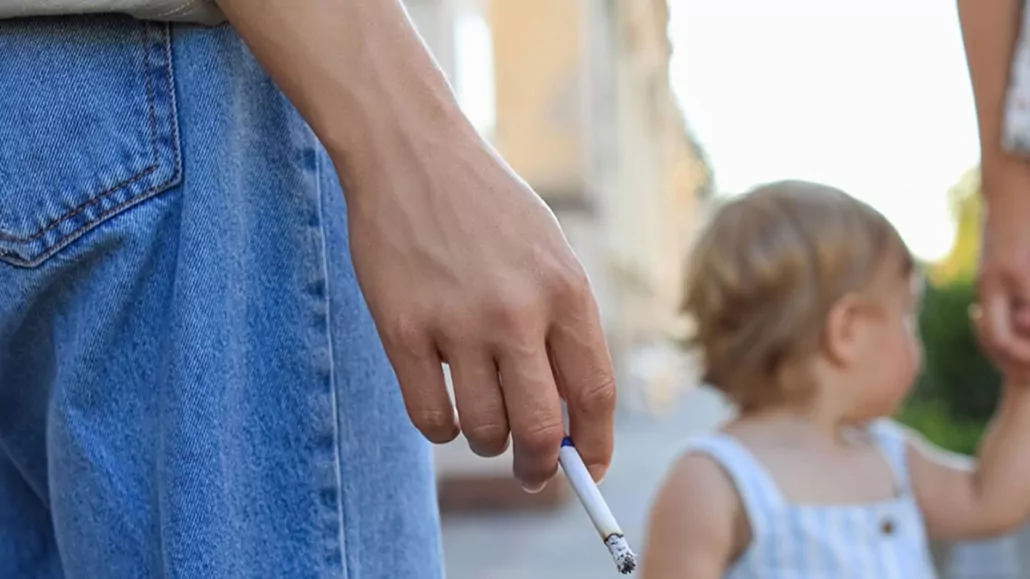
Most people understand the risks of secondhand smoke, but few realize that toxic tobacco residue can linger in homes for years, posing severe health risks to children and pets.
Third-hand smoke (THS) is the toxic residue left behind on surfaces, fabrics, and dust long after a cigarette is extinguished. Composed of over 250 chemicals—including carcinogens like formaldehyde, arsenic, and lead—this residue can remain in a home for months or even years. Children and pets are particularly vulnerable to ingesting these toxins through contact with contaminated carpets, furniture, and clothing.
Defining Third-Hand Smoke: A Persistent Toxic Legacy
Third-hand smoke refers to the residual contamination from tobacco smoke that settles on indoor surfaces. Unlike secondhand smoke, which is inhaled directly from the air, third-hand smoke is a sticky, chemical residue that clings to soft fabrics (carpets, drapes, bedding) and hard surfaces (walls, floors, vehicle interiors).
Research from San Diego State University indicates that homes of former smokers can remain polluted with third-hand smoke for up to six months after the residents quit. In extreme cases where indoor smoking occurred for years, the toxic byproducts can persist for five years or more. This residue is not merely an offensive smell; it is a chemical cocktail that can re-emit toxins back into the air, reacting with common indoor pollutants (like nitrous acid) to form new, hazardous carcinogens.
The Chemical Composition of Third-Hand Residue
The residue left behind by tobacco products is far more dangerous than simple dust. It is composed of numerous toxic gases and particulate matter, including heavy metals and carcinogens. Key components include:
- Nicotine: A sticky substance that clings to walls and ceilings.
- Formaldehyde & Naphthalene: Known cancer-causing agents.
- Heavy Metals: Arsenic, lead, and cyanide.
- Tobacco-Specific Nitrosamines (TSNAs): Potent carcinogens formed when nicotine reacts with indoor air.
Vulnerable Populations: Why Kids and Pets Are at Risk
While third-hand smoke poses risks to all occupants, infants and young children are disproportionately affected. According to Dr. Jasmine Reese of Johns Hopkins All Children’s Hospital, babies are at higher risk because they spend more time on the floor, crawl on contaminated carpets, and frequently put their hands and non-food items in their mouths. This leads to the direct ingestion of toxic particles.
Similarly, pets that groom themselves can ingest the toxic residue that settles on their fur. The American Academy of Pediatrics emphasizes that there is no safe level of exposure to tobacco smoke residue, warning that it can contribute to respiratory illnesses, cancer, and developmental issues.
Does Vaping Create Third-Hand Smoke?
Electronic cigarettes and vaporizers do not produce smoke, but they do leave behind a residue. The aerosol from vapes contains nicotine, propylene glycol, and vegetable glycerin, which can settle on surfaces like windows (often appearing as a milky film) and clothing. While the Third-Hand Smoke Resource Center notes that vaping residue tends to dissipate faster than tobacco residue—often within days rather than months—it still exposes non-users to nicotine and chemical additives.
Remediation: Can You Remove Third-Hand Smoke?
Removing third-hand smoke is notoriously difficult. Standard cleaning methods, opening windows, or using fans are ineffective because the residue penetrates deep into porous materials. However, a comprehensive cleaning strategy can reduce exposure:
- Replace HVAC Filters: Smoke residue settles in air ducts. Replace all filters and consider professional duct cleaning (costing $450–$1,000).
- Deep Clean Carpets and Upholstery: Vacuum with a HEPA filter to trap fine particles, but be aware that heavily contaminated carpets often need to be replaced entirely.
- Wash All Fabrics: Clothing, curtains, and bedding must be washed in hot water to remove nicotine residue.
- Wipe Down Hard Surfaces: Walls and ceilings may need to be scrubbed with industrial cleaners or repainted to seal in the toxins.
Verdict: Prevention is the Only Cure
The medical consensus is clear: you cannot “clean away” the risk completely. Dr. Reese and other experts agree that the only way to fully protect non-smokers is to maintain a strictly smoke-free environment. For those moving into a new home or buying a used car, the lingering smell of stale tobacco is a warning sign of a toxic environment that could impact your health for years to come.

- Indonesia: Denpasar Updates Smoke-Free Bylaw to Tighten Vape Rules - October 20, 2026
- Teen Girls Surpass Boys in Vaping Rates, Reversing Historic Trends - October 20, 2026
- Alabama: Irondale Proposes Public Vaping Ban with Fines Reaching $200 - October 20, 2026
Related posts:
 Vape Ban in Countries: Examining the Global Debate
 Innokin Trine Pod Vape Kit Review: Eco-Friendly Performance
 Wisconsin Vape Shops Now Require State Retail License
 FDA Fines Retailers Selling Unauthorized Elf Bar
 US Bans Imports and Sales of Njoy Ace Vaping Products
 Bangladesh Vape Ban Proposal Faces ‘Foreign Influence’ Claims

