
The Rise of Disposable Vapes: How Tobacco Giants Drive the Market

Transnational tobacco companies (TTCs) have aggressively entered the single-use e-cigarette market to capitalize on consumer demand for convenience and to counter the threat these products posed to their existing reusable vape sales. This strategic pivot has contributed to a global surge in disposable vape usage, exacerbating environmental waste issues and raising significant public health concerns regarding youth addiction, leading to a wave of international regulatory bans and restrictions.
Key Takeaways:
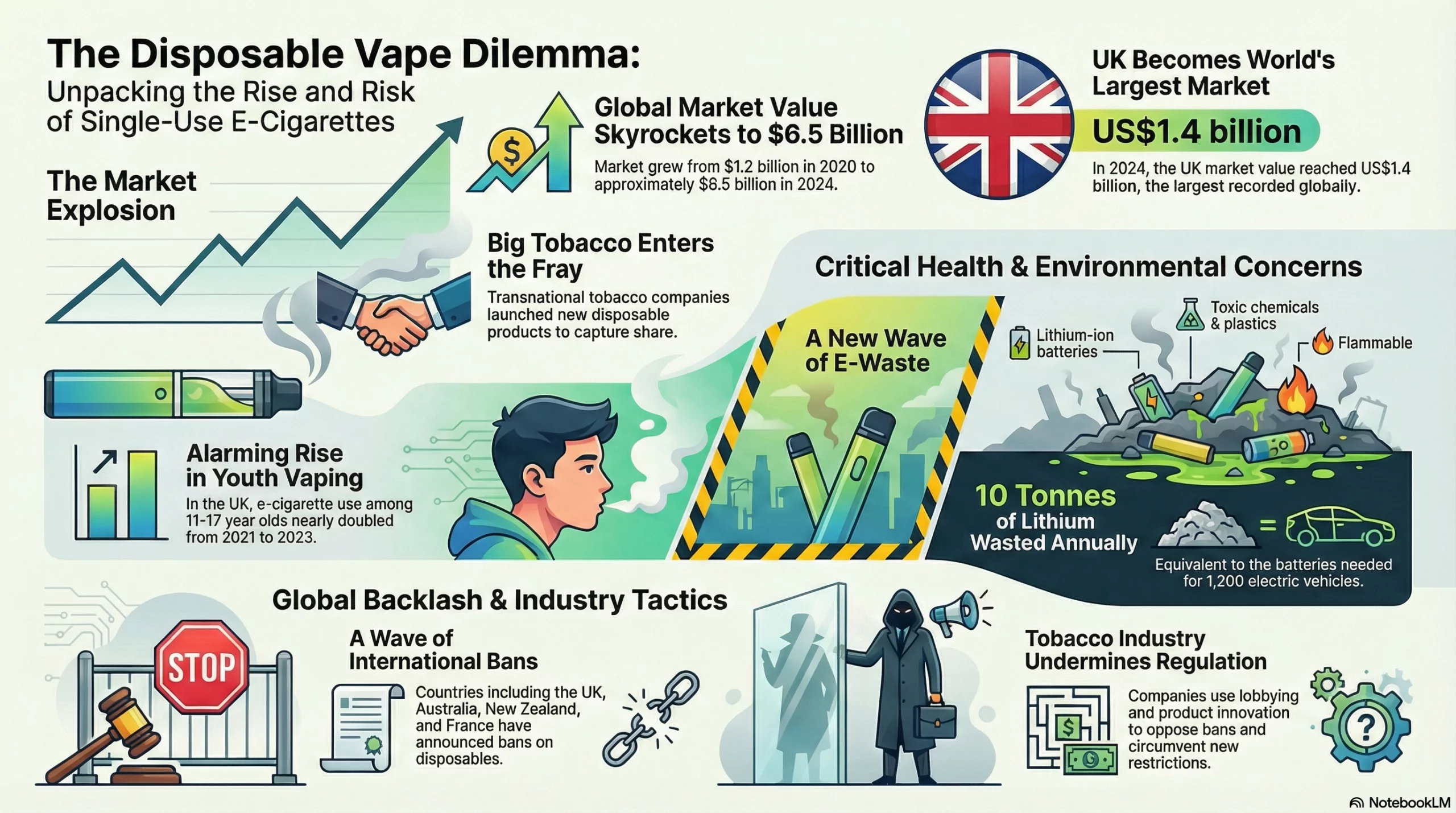
- Market Explosion: The global single-use vape market grew from $1.2 billion in 2020 to ~$6.5 billion in 2024.
- Industry Pivot: Major players like BAT, PMI, and Imperial Brands launched new disposable products in 2022.
- Environmental Crisis: Millions of disposables are discarded weekly, wasting critical lithium and causing fire hazards.
- Regulatory Backlash: Countries like the UK, Australia, and France have implemented or planned bans to curb youth use and waste.
Single-use e-cigarettes, often called “disposables,” refer to non-rechargeable vaping devices pre-filled with e-liquid that are discarded after use. Their rapid rise has transformed the global nicotine market, creating a complex landscape of environmental challenges, youth health risks, and intense regulatory scrutiny.
The Rapid Rise of the Single-Use Vape Market
Since 2019, the vaping landscape has shifted dramatically. What began as a niche segment has exploded into a multi-billion dollar industry. According to Euromonitor International, the value of the global single-use e-cigarette market surged from US$1.2 billion in 2020 to approximately US$6.5 billion in 2024. By this time, these products accounted for roughly 29% of the entire global e-cigarette market by retail value.
The United Kingdom emerged as the epicenter of this trend, becoming the largest single-use market globally with a value of US$1.4 billion, surpassing other major regions like Canada and Poland. This growth was driven by the introduction of “puff-bar” style devices, which offered a level of convenience and flavor variety that earlier “cig-a-like” models failed to achieve.
Market Volume Comparison (2024 Estimates)
| Country | Market Value (USD) | Volume (Cigarette Stick Equivalents) |
|---|---|---|
| United Kingdom | $1.4 Billion | ~5.4 Billion |
| Canada | $600 Million | ~3 Billion |
| Poland | $560 Million | (Data not specified) |
| Russia | (Data not specified) | ~4.7 Billion |
Tobacco Industry Interests: A Strategic Pivot
Transnational tobacco companies (TTCs) were not the pioneers of the modern disposable vape boom; independent Chinese manufacturers like Shenzhen Imiracle Technology (makers of Elf Bar and Lost Mary) initially dominated the sector. However, the “Big 4” tobacco giants—British American Tobacco (BAT), Philip Morris International (PMI), Imperial Brands, and Japan Tobacco International (JTI)—quickly recognized the threat and opportunity.
Research indicated that users of their proprietary reusable systems were switching to these convenient disposables. To protect their market share and revenue, TTCs launched their own competing products in rapid succession during 2022:
- BAT: Launched Vuse Go, describing it as their “fastest concept to market delivery to date.”
- PMI: Introduced VEEBA (later rebranded as VEEV NOW), utilizing technology licensed from Kaival Brands.
- Imperial Brands: Rolled out the Blu Bar to capture the “on-the-go” consumer segment.
These companies marketed their products heavily on the basis of convenience, targeting adult smokers looking for a hassle-free entry point into vaping. However, this move created a stark contradiction with their corporate sustainability goals, as they aggressively promoted highly wasteful single-use plastic products.
Ecigator is one of the well-known vape brands spun off from KangSiDe Technology Co., Ltd, it’s an ISO-certified disposable vape manufacturer for OEMs, ODMs, and OBM since 2010. The founder team comes from top firms with more than 10 years of experience in the vaping industry and has devoted thousands of hours to providing users with a better and better experience.
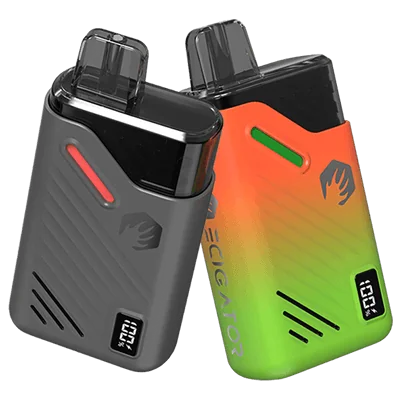
18K Disposable Pod Kit
Disposable Pod Kit – 18ml changeable pod with 650mAh rechargeable battery.
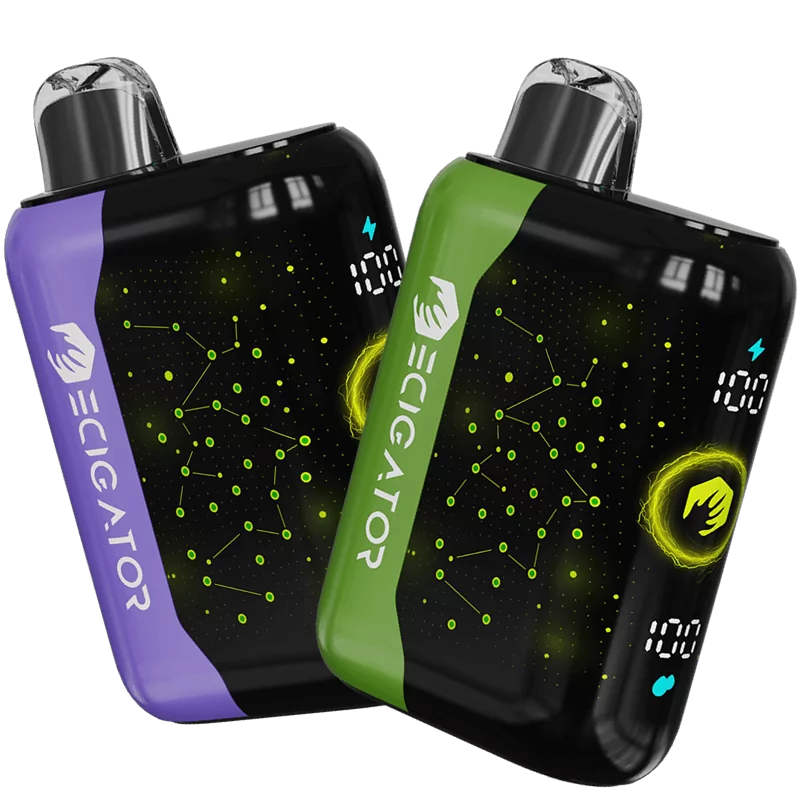
35K with Large Screen
35000 Puffs Disposable Vape with 3D galaxy screen. Eco and Pulse working modes.
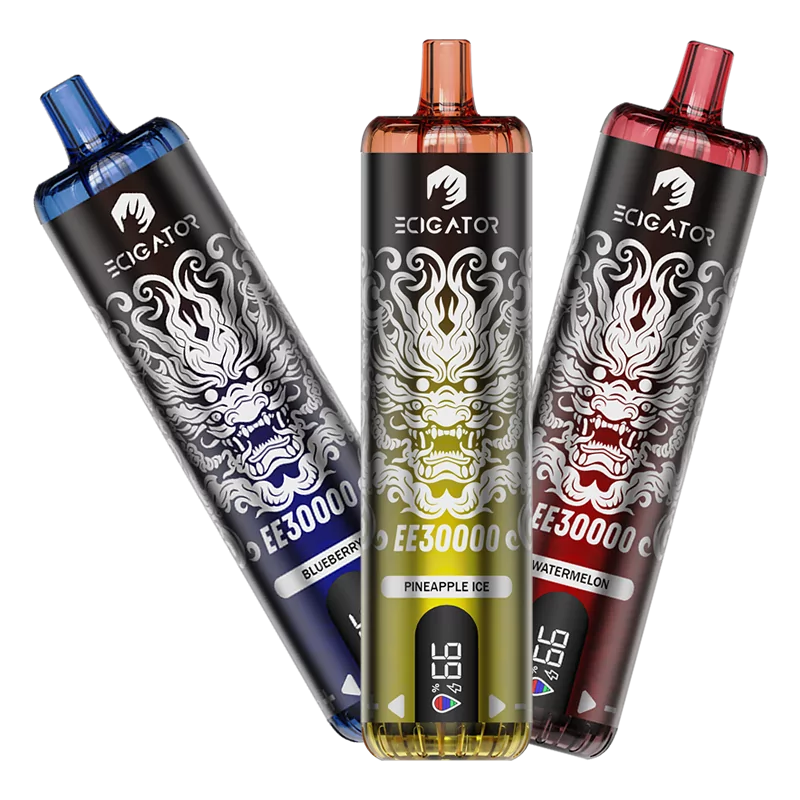
30K DTL Disposable
30K Puffs DTL(Directly to Lung) disposable vape with airflow control and screen.
The Role of Nicotine Salts
A key technological factor in the success of these new disposables is the use of nicotine salts. Unlike “freebase” nicotine used in earlier e-liquids, nicotine salts are created by dissolving nicotine in acid (often benzoic acid). This lowers the pH level, allowing for:
- Higher Nicotine Doses: Users can inhale higher strengths (e.g., 20mg/ml or 50mg/ml) without the harsh “throat hit.”
- Faster Absorption: Nicotine is delivered to the bloodstream more rapidly, mimicking the satisfaction of a combustible cigarette.
While this makes the products more effective for smokers switching away from tobacco, it also significantly increases their addictive potential, particularly for young people with developing brains.
The Environmental Cost of Convenience
The environmental footprint of single-use vapes is nothing short of a crisis. These devices are complex electronic waste (e-waste), comprising a plastic shell, a copper coil, a microprocessor, and a lithium-ion battery. Because they are sealed units not designed to be disassembled, recycling them is notoriously difficult and expensive.
Key Environmental Impacts:
- Lithium Waste: Material Focus estimates that 10 tonnes of lithium are discarded globally per year via vapes—enough to power 1,200 electric vehicles.
- Fire Hazards: When discarded in general waste, lithium-ion batteries can be crushed in bin lorries or waste processing plants, causing dangerous fires.
- Chemical Leaching: Improperly disposed vapes leak nicotine salts, heavy metals (like lead and mercury), and battery acid into soil and waterways, posing risks to wildlife and ecosystems.
Despite legal obligations in the UK and EU for producers to fund recycling schemes, compliance has been poor. An investigation by the Financial Times found that many retailers were unaware of their take-back responsibilities, and the industry has been criticized for failing to support effective recycling infrastructure.
Youth Vaping: A Public Health Emergency?
The rise of disposables has coincided with a sharp increase in youth vaping rates, sparking alarm among public health officials and parents. The colorful packaging, sweet flavors (like “Blue Razz” or “Cotton Candy”), and low price point make these products particularly appealing to minors.
Data from Action on Smoking and Health (ASH) highlights the trend in the UK:
- 2021: 11% of 11-17 year olds had tried vaping.
- 2023: This figure rose to 20%, representing 1.1 million children.
- Usage Patterns: In 2023, 69% of young vapers reported using single-use products, a massive jump from previous years.
While recent data suggests a stabilization or slight decline in youth use following intense media scrutiny and ban announcements, the prevalence remains high compared to historical levels.
Global Regulatory Backlash: Bans and Restrictions
Governments worldwide are responding to these dual crises of health and environment with increasingly strict regulations. The consensus is shifting towards prohibition of the single-use format.
Notable International Actions:
- United Kingdom: Implemented a ban on the sale and supply of single-use vapes effective June 1, 2025.
- Australia: Enacted a ban on the import of all disposable vapes, moving towards a prescription-only model for therapeutic use.
- New Zealand: Introduced measures to crack down on youth vaping, including bans on disposables.
- European Union: Countries like France, Belgium, and Ireland have passed or are pursuing national bans, with waste management associations pushing for an EU-wide prohibition.
Challenges in Enforcement
Regulating this market is fraught with challenges. In the UK, the MHRA notification system has been overwhelmed, with thousands of new product notifications filed weekly, making it difficult for Trading Standards to police non-compliant products. In the US, manufacturers exploited loopholes regarding synthetic nicotine to evade FDA oversight until the law was amended in 2022.
Industry Tactics: Undermining Regulation
The tobacco industry has not remained passive in the face of these threats. They have employed various strategies to protect their interests:
- Product Innovation: To circumvent bans, companies are launching “reusable” devices that are technically refillable/rechargeable but are priced and designed to be used almost like disposables (e.g., cheap devices with pre-filled pods).
- Lobbying via Third Parties: TTCs have funded organizations and think tanks (such as the World Vapers’ Alliance) to lobby against bans, framing them as detrimental to public health and likely to fuel the black market.
- “Compliance” Narratives: Companies like BAT have publicly supported certain regulations (like taxes) or reported competitors for non-compliance, positioning themselves as “responsible” actors while simultaneously preparing to launch unauthorized products in other markets.
Conclusion: A Market at a Crossroads
The single-use vape phenomenon represents a critical juncture in tobacco control. While these products offer convenience and a potential exit route for adult smokers, their environmental cost and appeal to youth have proven too high for many policymakers to ignore. As bans come into force, the industry will undoubtedly pivot again, likely towards hybrid reusable systems. The challenge for regulators will be to stay ahead of this innovation curve, ensuring that public health and environmental protection remain the priority over industry profits.

- Indonesia: Denpasar Updates Smoke-Free Bylaw to Tighten Vape Rules - October 20, 2026
- Teen Girls Surpass Boys in Vaping Rates, Reversing Historic Trends - October 20, 2026
- Alabama: Irondale Proposes Public Vaping Ban with Fines Reaching $200 - October 20, 2026
Related posts:
 Altria Exchanges 35% Ownership of Juul for Intellectual Property
 46 Countries Have Banned E-Cigarettes and Vapes as of 2025
 Italy Imposes Deadline for E-Cigarette Liquids and Flavors Without Tax Stamp
 Trump Promised to ‘Save Vaping.’ Does His New FDA Head Agree?
 Sharp Rise in Nicotine Pouch Use Among Young Men in UK
 Is Vaping Around Cats Bad? What Every Pet Owner Should Know

