
Missouri Legislature Considers Casino Smoking and Vaping Ban
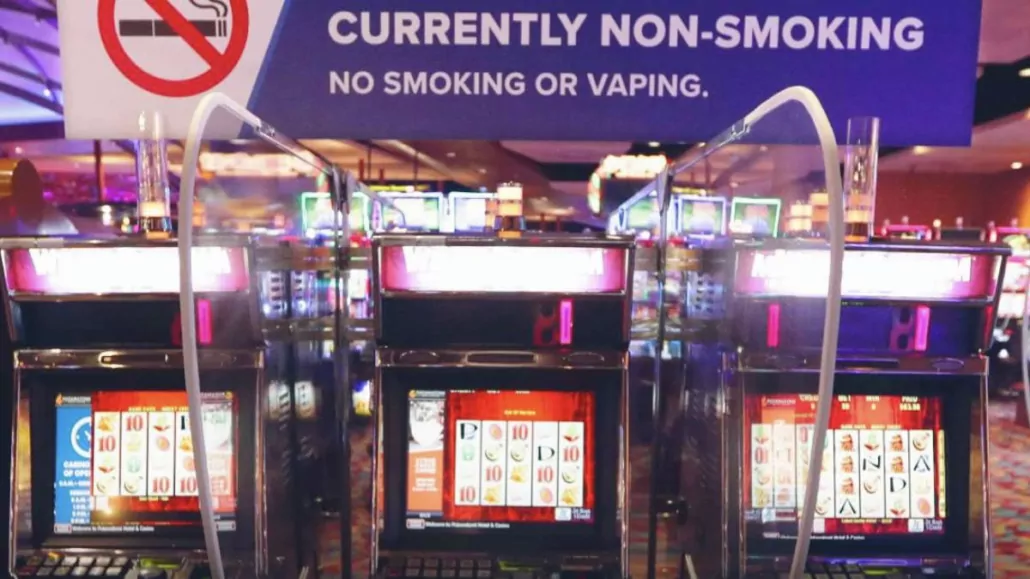
A new legislative push through House Bills 1618 and 926 aims to eliminate long-standing indoor smoking loopholes in Missouri’s gaming facilities to protect worker and patron health.
Missouri lawmakers have introduced two pivotal bills, House Bill 1618 and House Bill 926, which seek to repeal the current indoor smoking exemptions enjoyed by the state’s casinos. This move aligns Missouri with a growing national trend toward 100% smoke-free gaming environments, prioritizing public health and employee safety over traditional industry exemptions.
The Legislative Framework: HB 1618 and HB 926
Missouri’s indoor smoking landscape is facing a significant shift as House Bill 1618 (the Missouri Indoor Clean Air Act) and House Bill 926 move through the 2026 legislative session. Currently, casinos in Missouri thrive under a unique exemption that allows indoor smoking, a practice already phased out in 20 other states including Illinois, New York, and Ohio.
The following table outlines the specific focus of the proposed Missouri legislation and the status of similar efforts across the United States.
| Legislation / State | Primary Objective | Current Status (Early 2026) |
|---|---|---|
| Missouri HB 1618 | Repeal casino exemptions in the Clean Indoor Air Act. | Pre-filed / Introduced |
| Missouri HB 926 | Comprehensive update to prohibit smoking in all gaming facilities. | Pre-filed / Introduced |
| Pennsylvania HB 880 | Eliminate casino and e-cigarette exemptions. | Advanced via House Health Committee |
| New Jersey | Close the Atlantic City casino smoking loophole. | Bipartisan support; pending final action |
The Public Health Imperative: Secondhand Smoke Risks
The push for smoke-free casinos is largely driven by the severe health risks associated with secondhand smoke (SHS). SHS contains over 7,000 chemicals, including at least 70 known carcinogens. According to the U.S. Surgeon General, there is no safe level of exposure. For casino employees, who often work long shifts in enclosed environments, the vulnerability is acute; these workers frequently show significantly higher levels of nicotine and carcinogens in their systems compared to the general workforce.
Advocacy groups like CEASE Missouri and the American Cancer Society argue that the current exemptions place an unfair health burden on service workers. Exposure to SHS is directly linked to increased rates of lung cancer, coronary heart disease, and chronic respiratory issues such as asthma and bronchitis.
Economic Considerations and Industry Opposition
Despite the health benefits, the gaming industry remains concerned about potential revenue impacts. Operators argue that smoking and gambling are historically linked and that a ban might drive patrons to neighboring states or tribal casinos that maintain smoking permissions. However, recent market shifts suggest otherwise. Over 1,000 U.S. gaming properties have already gone smoke-free voluntarily, and studies indicate that smoke-free policies can actually attract a broader, health-conscious demographic without long-term damage to performance.
Expert Verdict: A National Transition in Progress
Missouri’s deliberation on HB 1618 and HB 926 reflects a broader national transition toward the “normalization” of smoke-free public spaces. As Pennsylvania and Rhode Island move closer to similar mandates, the competitive advantage of offering a smoking environment is rapidly diminishing. From an analytical standpoint, the long-term reduction in healthcare costs and employee turnover likely outweighs the short-term risk of a “smoker exodus.” For Missouri, the decision will ultimately weigh the immediate economic realities of the gaming industry against a clear and documented public health mandate.

- Italy Raises Prices on Rolling Tobacco, Heated Sticks, and Cigars - October 15, 2026
- German Committee Approves Tobacco Tax Hike, Raising Cigarette Prices by €4 by 2030 - October 15, 2026
- New Jersey Advances Vape EPR Bill to Force Producer Recycling - October 15, 2026
Related posts:
 EU Tobacco Tax Directive: Cyprus Proposes Vape Tax Compromise
 Kansas Advances HB 2252: Proposed Ban on Casino Smoking and Vaping
 Heath, Ohio to Regulate Flavored Tobacco and Vape Sales Starting January 2025
 Arkansas Legislators Propose Bill to Ban Disposable Vapes
 SKE Bar 15K Review: The Ultimate Big Puff Vape?
 Is It Illegal to Vape or Smoke While Driving in Missouri?

