
Trump’s Cannabis Order: Political Hype vs. Legal Reality
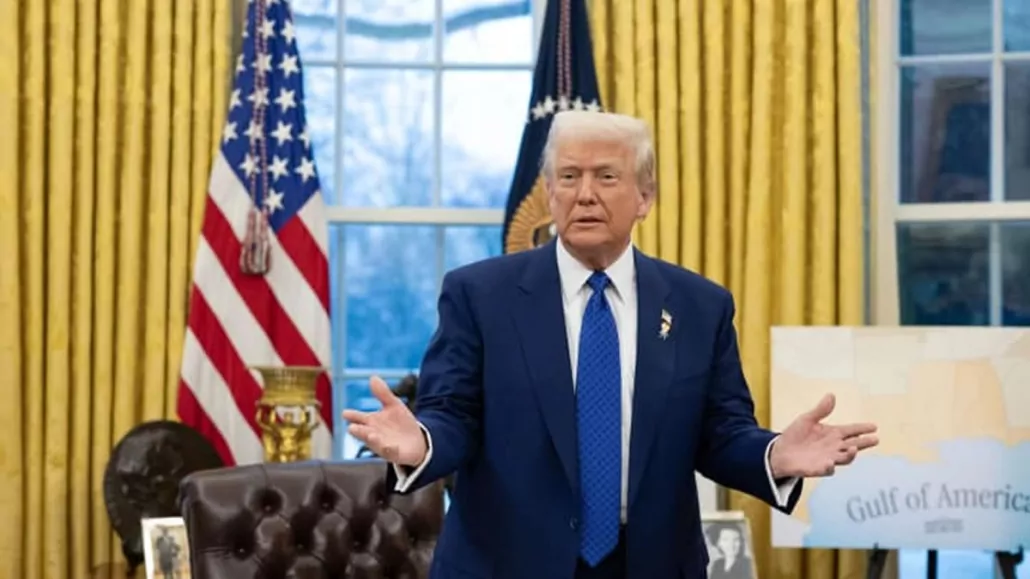
When President Donald Trump signed an executive order directing the Attorney General to “expedite” the rescheduling of cannabis to Schedule III, the immediate reaction was predictable: headlines flared, markets twitched, and expectations within the cannabis community surged once again. However, a closer look reveals a starker reality. For cannabis companies operating on the ground today, this executive order changes neither the law nor the immediate business landscape. It serves more as a political signal than a procedural shortcut, leaving the complex, stalled machinery of federal rescheduling largely untouched.
The Reality Check: What the Order Doesn’t Do
The rescheduling process is not new; it began in 2022 under the Biden administration. The Department of Health and Human Services (HHS) completed its review in 2023, recommending the move to Schedule III. Since then, the ball has been in the Drug Enforcement Administration’s (DEA) court, requiring a formal rulemaking process that is currently mired in legal challenges. In early 2025, a federal judge suspended the DEA’s rescheduling hearings due to a lawsuit alleging bias. Until this litigation is resolved, the process is effectively frozen. An executive order cannot override federal statutes, cure procedural defects, or bypass the courts.
No Immediate Tax Relief (280E)
One of the most persistent misconceptions is that rescheduling brings immediate tax relief. It does not. As the IRS clarified in 2024, cannabis companies remain fully subject to Internal Revenue Code Section 280E—which prohibits deducting standard business expenses—unless and until marijuana is actually rescheduled by a final rule. Even if that happens, relief would likely apply only prospectively. Companies remain liable for all past and current 280E exposure, regardless of presidential announcements.
Banking and Interstate Commerce Remain Unchanged
Similarly, the order does not fix the banking crisis. Financial institutions still face regulatory risks in lending to or serving cannabis businesses without separate legislation or a fundamental shift in enforcement. Schedule III alone does not eliminate this risk. Furthermore, rescheduling does not legalize interstate commerce. State-licensed operators remain confined within their borders, locked into fragmented markets that limit scale and distort pricing.
The Federal Compliance Hurdle
Most critically, the perceived benefits of Schedule III—such as broader banking protections and true federal legitimacy—are contingent upon federal compliance. This means DEA registration and FDA approval for specific products. The vast majority of products currently sold in state adult-use markets, including smokable flower and high-dose edibles, were never designed to meet FDA standards and almost certainly would not qualify. Until a company is DEA-licensed and its products are FDA-approved, it remains outside the federal system, regardless of scheduling.
Who Actually Wins? The Pharmaceutical Advantage
This leads to an uncomfortable truth: the primary beneficiaries of Schedule III rescheduling, at least initially, are likely not the state-licensed dispensaries and brands that built the current industry. Instead, the winners are poised to be pharmaceutical companies developing FDA-approved cannabinoid drugs, federally compliant manufacturers with the capital for clinical trials, and research institutions operating within the federal system. These entities are positioned to walk through the federal gates that remain closed to the existing adult-use market.
The Looming Structural Tension
If rescheduling eventually proceeds, it may intensify the conflict between federal drug law and state markets. Schedule III brings cannabis squarely into the FDA’s orbit, raising difficult questions for an industry built on consumer access rather than pharmaceutical models. Pharmaceutical giants investing billions in research are unlikely to tolerate a parallel market selling the same compounds without FDA approval. This could lead to new enforcement pressures even without new legislation.
Ultimately, cannabis rescheduling is a slow, contested legal process, not a switch that can be flipped by a pen stroke. While executive action generates headlines, it does not rewrite statutes or erase liability. For now, the hype surrounding the order is moving much faster than the process itself.

- Recycling Point, Bin, or Kitchen Drawer? What UK Vapers Actually Do With a Dead Device - September 30, 2026
- How Cannabis Operators Should Qualify a Vape Hardware Supplier - September 30, 2026
- From Distillate to Finished Pod: The Quality-Control Steps Behind a Premium CBD Vape - September 30, 2026
Related posts:
 UAE Legalizes Medical Industrial Hemp & CBD Use
 37th World No Tobacco Day: Global Efforts on Youth Vaping Regulations
 Colombian Chamber Approves Adult-Use Cannabis Regulation Bill
 Germany Lower Saxony Extends Smoking Ban to Vapes and Cannabis
 Florida Bill Seeks to Ban Public Marijuana Smoking & Vaping
