
Trump Signs Executive Order to Reschedule Cannabis to Schedule III
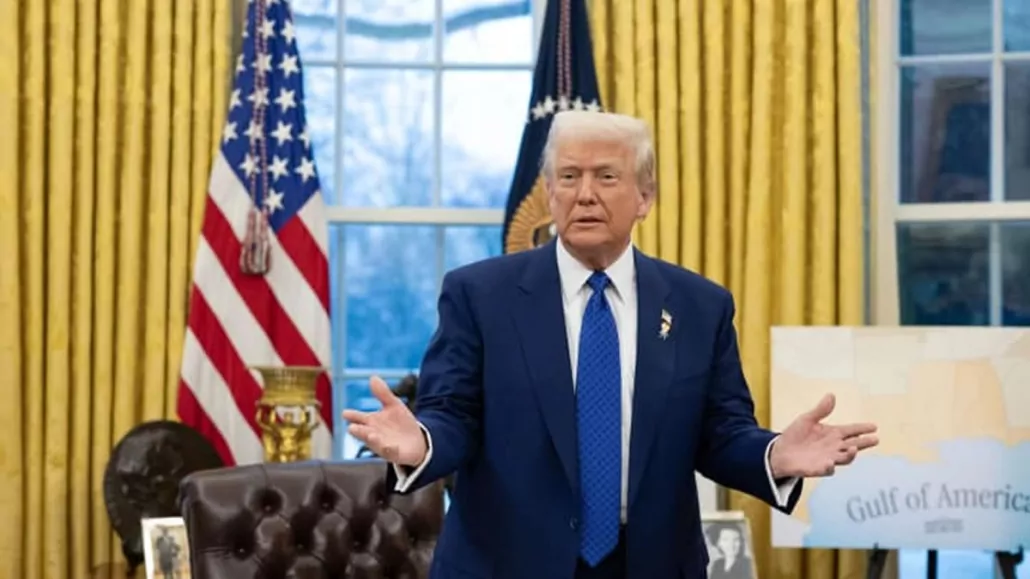
President Donald Trump signed an executive order on Thursday directing Attorney General Pam Bondi to expedite the rescheduling of cannabis from a Schedule I to a Schedule III substance under the Controlled Substances Act. This significant policy shift would move marijuana from a category including heroin and LSD—defined as having no medical use and high abuse potential—to a classification shared by drugs like Tylenol with codeine and anabolic steroids, which are recognized for medical use with a lower risk of abuse.
While the order does not federally legalize the plant for recreational use or cultivation, Trump emphasized its potential to alleviate suffering. “Some people are literally dying, and they’re dying with tremendous pain, and this can, in many cases, literally stop it,” he stated. The move aims to expand medical research and allow cannabis use under medical supervision.
Industry Optimism and Tax Relief
The rescheduling is expected to bring major relief to cannabis businesses in states where it is already legal, such as Michigan and Minnesota. Mitchel Chargo, a cannabis attorney, noted that the change could eliminate the punitive 280E tax provision, which currently prevents cannabis operators from deducting standard business expenses, forcing them to pay taxes on gross income. It could also open doors to standard federal banking services, a long-standing hurdle for the industry.
Tessa Holtsberry, manager of Premier Cannabis – East in Michigan, called the news “absolutely amazing,” highlighting the potential for further research to understand both benefits and harms. The order also calls for the reclassification of hemp-derived and CBD products, offering potential relief for the hemp-infused THC industry.
Concerns Over Corporate Dominance and Implementation
Despite the optimism, concerns remain. Small business owners like Ted Galaty of Willow Farm and Hemp Maze Minnesota worry that rescheduling could pave the way for a corporate takeover by large pharmaceutical companies or multi-state operators who can leverage tax write-offs and stock market trading. “Why wouldn’t they just go somewhere south… and grow it and then bring it up to the other states?” Galaty questioned.
Nikki Fried, chair of the Florida Democratic Party, echoed these concerns, warning that without safeguards, big pharma could monopolize the market. She also noted the complex ripple effects on federal statutes involving gun regulations, housing, and employment. Furthermore, the conflict between FDA oversight for Schedule III drugs and existing state-level adult recreational markets remains unresolved.
Experts caution that the change is not automatic. The Department of Justice and federal health agencies must complete a formal regulatory process, which could take until late next year. As Holtsberry noted, for now, “it’s just one day at a time.”

- Recycling Point, Bin, or Kitchen Drawer? What UK Vapers Actually Do With a Dead Device - September 30, 2026
- How Cannabis Operators Should Qualify a Vape Hardware Supplier - September 30, 2026
- From Distillate to Finished Pod: The Quality-Control Steps Behind a Premium CBD Vape - September 30, 2026
Related posts:
 Florida Bill Seeks to Ban Public Marijuana Smoking & Vaping
 Trump’s Cannabis Order: Political Hype vs. Legal Reality
 Tyler ISD Implements New Policy to Tackle Vaping in Texas Schools
 New Jersey Introduces Bill to Raise Vape by Mail Age Limit to 21
 Mexico Plans to Set Vape Ban in the Country’s Constitution
New Jersey Warns 11,000 Businesses Against Selling Flavored Vape Products
Mexico Plans to Set Vape Ban in the Country’s Constitution
New Jersey Warns 11,000 Businesses Against Selling Flavored Vape Products

