Trump’s Flavored Vape Push Sparks Resignations and MAHA Backlash
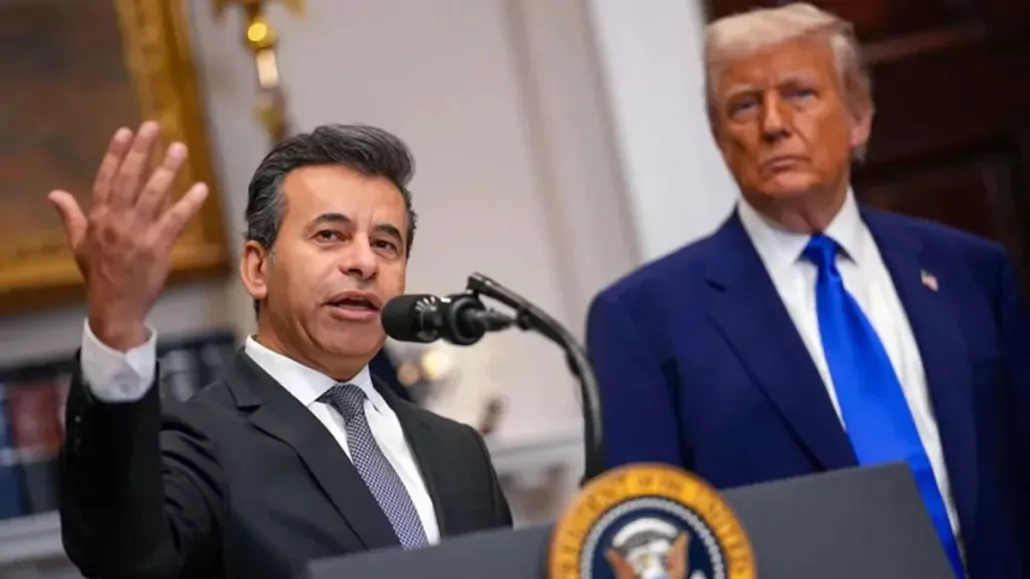
The Trump administration’s aggressive push to expand access to flavored e-cigarettes has ignited a firestorm of controversy, leading to high-profile resignations within federal health agencies and fracturing support among the “Make America Healthy Again” (MAHA) movement. The backlash centers on fears of rising youth nicotine addiction and the tobacco industry’s growing influence over FDA policy.
The internal fallout has been swift. Richard Danker, senior spokesperson for Health Secretary Robert F. Kennedy, resigned Wednesday. In his resignation letter, Danker warned that flavored e-cigarettes “would appeal to children and expose them to nicotine addiction, lung damage, and higher risk of cancer.”
The new policies also contributed to the ousting of FDA Commissioner Marty Makary. According to White House and HHS sources, Makary strongly opposed the FDA authorizations, viewing fruit-flavored e-cigarettes as a direct contributor to the youth vaping epidemic. He reportedly refused to defend the policy at a scheduled congressional budget hearing.
The regulatory shift appears closely tied to industry lobbying. Following a recent lunch meeting in Jupiter, Florida, where tobacco executives voiced frustrations over sales barriers, an upset President Trump reportedly called top health officials, including Kennedy, demanding action.
Shortly after this intervention, the FDA implemented two major policy changes:
- Pending Applications: A new policy effectively allows companies with pending flavored vape applications to sell their products to adults without facing penalties.
- First Fruit-Flavor Approval: The FDA authorized mango- and blueberry-flavored vapes from Los Angeles-based Glas Inc., adding to the tobacco and menthol flavors already on the market.
Emily Hilliard, a spokesperson for the Department of Health and Human Services, defended the Glas Inc. authorization, citing the company’s “device access restriction technology.” The vapes require Bluetooth pairing with a smartphone to verify the user’s age via a government-issued ID, a system Hilliard claims youth cannot effectively bypass.
The administration’s stance represents a stark reversal from Trump’s first term, where he initially promised to ban flavored e-cigarettes in 2019. By his 2024 campaign, Trump vowed to “save vaping,” arguing it benefits small businesses and helps smokers quit.
White House spokesman Kush Desai reiterated this stance, stating the policy is guided by “Gold Standard Science” showing vapes benefit Americans trying to quit traditional cigarettes.
However, public health experts strongly dispute this narrative. Stanton Glantz, a retired UCSF professor and tobacco control advocate, called the harm-reduction assumption “just wrong.” He noted that while e-cigarettes might be slightly less dangerous than combustible tobacco, the vapor is still linked to lung disease, heart disease, and cancer.
The policy shift has also created a rift within the Kennedy-led MAHA movement. Alex Clark, a podcaster for Turning Point USA, noted that the administration’s support for flavored vapes “adds more fuel to the fire” regarding fears that special interest groups are dictating White House policy.
Celebrity fitness trainer and prominent MAHA voice Jillian Michaels praised Makary’s resignation as a “heroic moment.” She heavily criticized the policy, stating, “We legalized vapes for children. Basically that’s what they are… This is what tobacco always does. They go after kids.”
Despite the outrage from some influencers, biohacking influencer Dave Asprey noted that vaping hasn’t been the primary focus for “MAHA moms,” who prioritize unavoidable environmental toxins over personal choices. Asprey and Michaels both advocate for alternative, low-dose nicotine products like pouches (ZYN or Lucy) over vaping, though public health experts maintain that nicotine in any form carries addiction and cardiovascular risks.
- Read more: List of FDA Authorized E-Cigarette Vapes
- News reference: Trump’s flavored vape push sparks backlash from some MAHA influencers and administration officials

- Mexico Passes Stricter Tobacco Law as Experts Warn of Cartel Trade - October 9, 2026
- FDA Tobacco Review Delays Threaten Public Health, GAO Report Reveals - October 9, 2026
- USA Northeast Vape Laws in 2026: State Taxes & Flavor Bans - October 9, 2026