The Great American Beach Cleanup: California Leads a Nationwide Charge for Smoke-Free Coasts
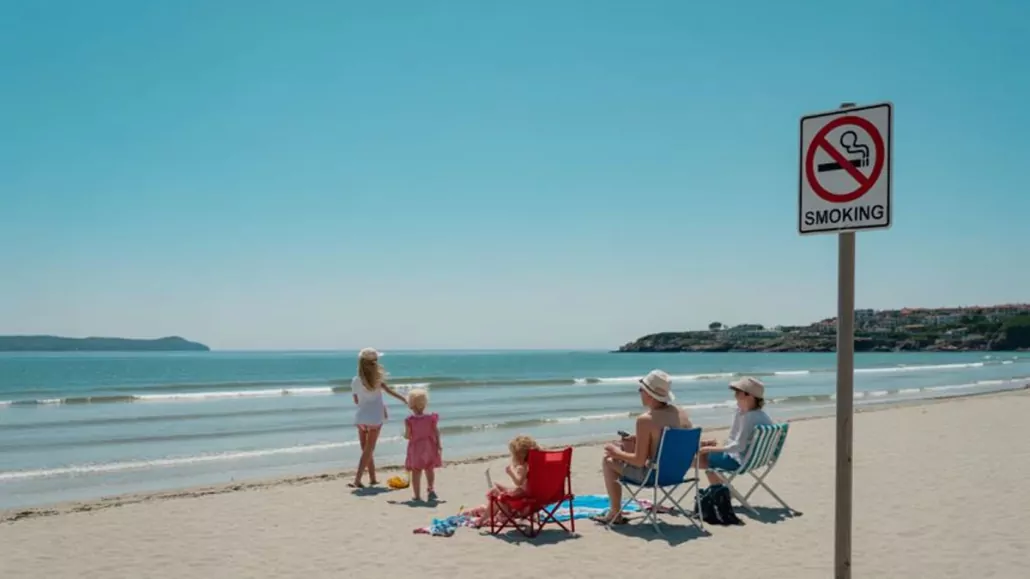
A quiet revolution is sweeping across the sandy shores of the United States. From the rugged coastlines of Maine to the sun-drenched beaches of Hawaii, a unified front is emerging in the battle against pollution and public health hazards. California, long known for its environmental leadership, has joined forces with states like New Jersey, Hawaii, Maine, and Pennsylvania, as well as major cities like New York City, to implement bold, game-changing bans on smoking at public beaches. This sweeping initiative marks a critical turning point in the effort to protect public health from secondhand smoke and preserve our precious coastal ecosystems from the scourge of cigarette litter.
This movement is more than just a series of laws; it represents a fundamental shift in how we value our shared public spaces. It’s a commitment to ensuring that the simple joy of a day at the beach remains unspoiled for future generations. By prioritizing clean air and clean sand over tobacco use, these regions are setting a new standard for environmental stewardship and community well-being. Let’s dive into how these key jurisdictions are leading the charge towards a smoke-free future.
California: Pioneering the State-Wide Smoke-Free Revolution
In 2020, California made history with a landmark decision that solidified its reputation as an environmental trailblazer. Through the enactment of Senate Bill 8, which established California Public Resources Code § 5008.10, the state implemented a comprehensive smoke-free policy across all its state parks and beaches. This law leaves no room for ambiguity: the smoking of cigarettes, cigars, pipes, and even the use of electronic vaping devices is strictly prohibited in these natural areas.
The legislation does provide limited exceptions, allowing smoking only on paved roadways or parking facilities, but the message is clear: the beach is for breathing fresh ocean air, not smoke. Furthermore, the law explicitly prohibits the disposal of cigarette or cigar waste anywhere outside of designated receptacles, directly targeting the issue of litter. Violators face an infraction punishable by a fine of up to $25. While the monetary penalty might seem modest, the cultural shift it signals is immense. The state’s motivation is twofold: to drastically reduce exposure to secondhand smoke for beachgoers and to combat the pervasive problem of cigarette butt litter. These non-biodegradable filters, often laden with toxic chemicals, have long plagued California’s coastline, degrading its natural beauty and posing a threat to marine life.
Ecigator is one of the well-known vape brands spun off from KangSiDe Technology Co., Ltd, it’s an ISO-certified disposable vape manufacturer for OEMs, ODMs, and OBM since 2010. The founder team comes from top firms with more than 10 years of experience in the vaping industry and has devoted thousands of hours to providing users with a better and better experience.
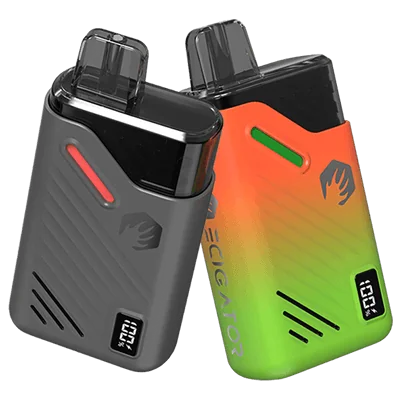
18K Disposable Pod Kit
Disposable Pod Kit – 18ml changeable pod with 650mAh rechargeable battery.
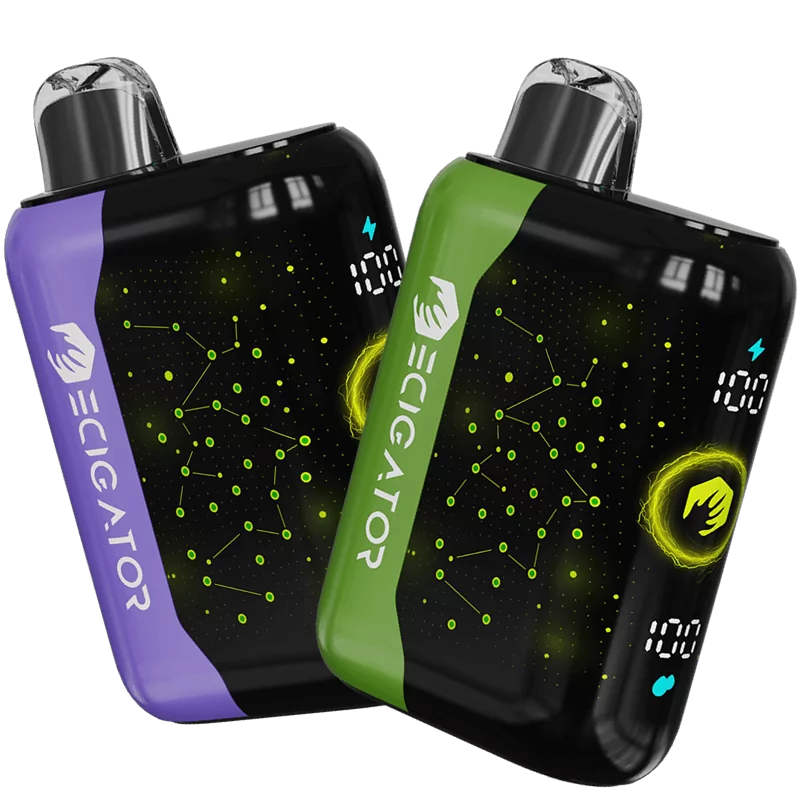
35K with Large Screen
35000 Puffs Disposable Vape with 3D galaxy screen. Eco and Pulse working modes.
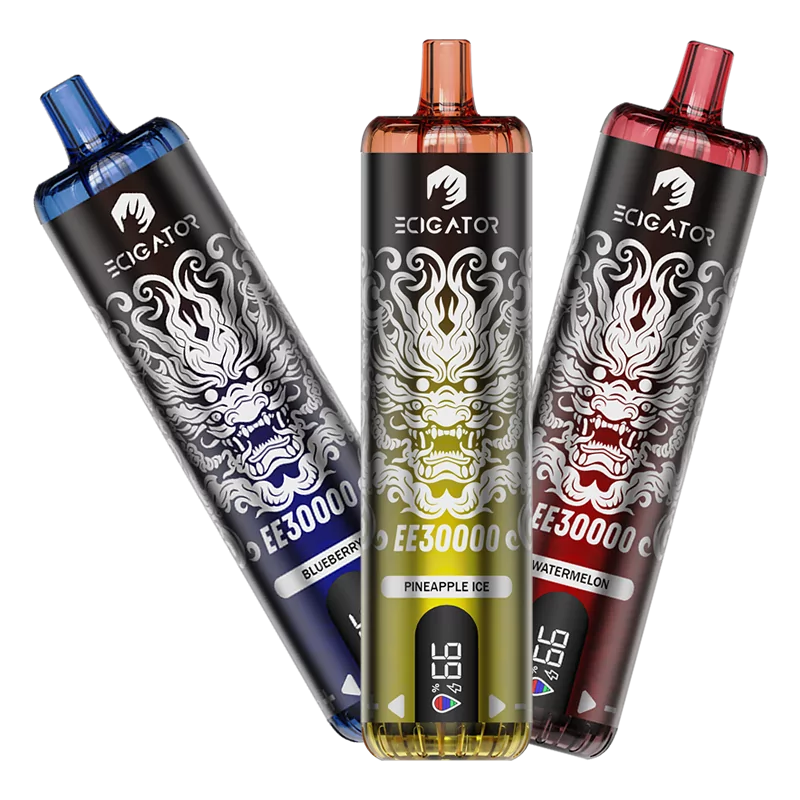
30K DTL Disposable
30K Puffs DTL(Directly to Lung) disposable vape with airflow control and screen.
Hawaii: A Progressive Legacy of Protection
Hawaii has long understood the intrinsic value of its pristine environment. The Aloha State was ahead of the curve, passing Act 123 in 2015 to ban smoking in all state parks and beaches. This state-level action was bolstered by even earlier and stricter county ordinances. Hawaii County (the Big Island), for instance, had already made all its parks and beaches smoke-free as far back as 2008. Other counties, including Oahu, Maui, and Kauai, followed suit with their own robust measures.
The enforcement in Hawaii is rigorous, with fines starting at $100 for a first offense and escalating to $500 for subsequent violations. This strict stance aims to improve air quality for locals and tourists alike, but it is also deeply rooted in conservation. Protecting Hawaii’s fragile marine ecosystems from the ingestion of toxic cigarette butts by wildlife is a primary goal, ensuring the islands remain a paradise for all inhabitants.
New Jersey: Sweeping Bans for the Jersey Shore
The iconic Jersey Shore has also undergone a transformation. With the passing of Senate Bill 2534, New Jersey introduced a sweeping statewide ban on smoking at all public beaches and parks. The law is comprehensive, prohibiting smoking in most public spaces, though it allows municipalities to designate small smoking areas (up to 15% of the beach) if they choose. Smoking may also be permitted on adjacent boardwalks, subject to local approval.
New Jersey takes enforcement seriously, with fines starting at $250 for a first offense and rising to $1,000 for repeat violations. The decision was driven by compelling evidence of the health risks associated with secondhand smoke and the staggering environmental impact of cigarette litter. Beach clean-up data consistently shows cigarette filters as the most common debris, a statistic New Jersey is determined to change to improve the beach-going experience for millions of visitors.
New York City: Setting the Urban Standard
As a global metropolis, New York City set a powerful precedent by enacting the Smoke-Free Air Act of 2011, which banned smoking in all of its parks and beaches. This ban was later extended to include electronic cigarettes in 2014. Today, smoking is prohibited in all NYC parks, beaches, boardwalks, public gardens, sports stadiums, and pedestrian plazas. The only exceptions are sidewalks outside parks and parking lots.
Violators face a fine of $50, with repeat offenders subject to additional penalties. The law was enacted with a clear vision: to reduce secondhand smoke exposure in crowded urban spaces, improve the cleanliness of public areas, and protect park visitors from the harmful effects of tobacco use. NYC’s leadership demonstrated that even in the most densely populated cities, clean air and public health can be prioritized.
Maine and Pennsylvania: Protecting Northern Coasts
Further north, Maine and Pennsylvania have also taken decisive action. Maine adopted a smoke-free policy in the early 2010s, embedding it into state park regulations. Under Title 22, § 1580, smoking is prohibited within 20 feet of beaches, playgrounds, snack bars, and other public areas in state parks and historic sites. Park rangers have the authority to issue citations or remove violators, ensuring that Maine’s rugged coast remains a healthy retreat.
In Pennsylvania, the Department of Conservation and Natural Resources (DCNR) implemented the “Smoke-Free State Park Beaches” program starting in 2008. This initiative restricts smoking at designated swimming beaches while providing specific smoking areas nearby. Born from visitor complaints about air quality and litter, the program aims to balance recreational access with the need for clean, smoke-free environments.
Local Leaders: Cities Taking Charge
Beyond state-level bans, individual cities are stepping up to protect their local shores:
- Ocean City, Maryland: Enacted Ordinance 2014-23 to ban smoking on its famous boardwalk and beaches, covering accessways and dune crossings. While relying heavily on voluntary compliance, the town can issue citations to ensure a cleaner environment for families.
- Lewes, Delaware: Passed a smoke-free beach ordinance prohibiting smoking, cigars, pipes, and e-cigarettes on all public beaches. Driven by a massive cleanup effort that collected nearly 19,000 cigarette butts, the city aims to eliminate carcinogens and protect local wildlife.
- Panama City, Florida: In 2025, adopted Ordinance 3272, prohibiting smoking and vaping on municipal parks and public beaches. The city cites health concerns and environmental damage from litter as key motivators for creating a healthier environment for residents and tourists.
- Miami Beach, Florida: Tackled the issue head-on with Ordinance 2022-4509, banning cigarette smoking and tobacco products on public beaches and parks effective January 1, 2023. With fines up to $500 or even jail time, the city is serious about reducing the plastic pollution caused by cigarette filters, which can take a decade to decompose.
The Rising Tide of Smoke-Free Beaches
The increasing number of U.S. jurisdictions adopting smoke-free beach policies highlights a growing national awareness of the dual benefits of such regulations. These policies do more than just clear the air; they protect public health by reducing secondhand smoke exposure and contribute significantly to environmental preservation by curbing the most common form of beach litter. As California unites with states across the nation, these ten jurisdictions are leading the charge, proving that smoke-free beaches are not just a passing trend, but a necessary step toward a cleaner, healthier, and more sustainable future for all.

- Mexico Passes Stricter Tobacco Law as Experts Warn of Cartel Trade - October 9, 2026
- FDA Tobacco Review Delays Threaten Public Health, GAO Report Reveals - October 9, 2026
- USA Northeast Vape Laws in 2026: State Taxes & Flavor Bans - October 9, 2026