
Australia’s Smoking Rates Hit Historic Low as Daily Smokers Fall to 5.6%
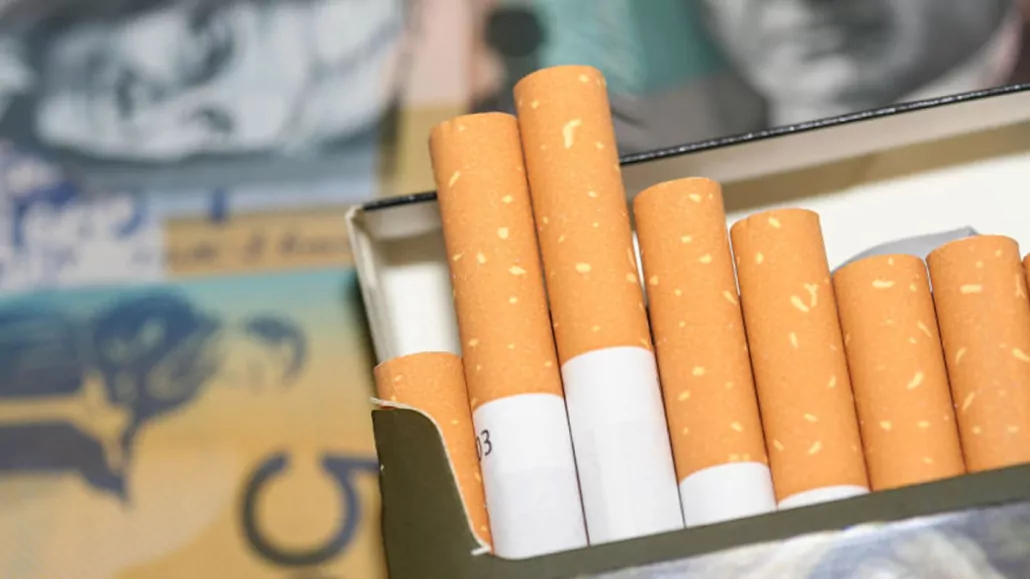
Australia’s daily smoking rate has dropped to its lowest point on record, according to data from the 2025 National Drug Strategy Household Survey. The survey, which gathered responses from over 17,500 participants aged 14 and older, shows that daily smoking in this demographic fell to 5.6% in 2025, down from 8.3% in the 2022–23 period.
This decline marks a long-term shift in Australian public health. Among adults aged 18 and older, daily smoking has fallen from 20.1% in 2001 to 5.8% in 2025. State-level data from South Australia, Queensland, and New South Wales mirror these national downward trends.
Researchers from The Australian National University (ANU) state that the decline in both smoking and e-cigarette use among young adults indicates that current regulatory frameworks are successfully limiting nicotine access. Despite claims from tobacco industry proponents that restrictive policies have failed, health officials emphasize that over 90% of the Australian population is now smoke-free.
However, the transition to a smoke-free society faces pressure from the black market. The survey highlights that approximately one-third of current smokers recently used illicit tobacco. Organized crime syndicates continue to supply unregulated tobacco products, bypassing federal excise taxes and border controls.
| Demographic Group | Historical Rate (Year) | 2025 Daily Smoking Rate |
|---|---|---|
| Aged 14 and Over | 8.3% (2022–23) | 5.6% |
| Adults (Aged 18 and Over) | 20.1% (2001) | 5.8% |
Professor Emily Banks from the National Centre for Epidemiology and Population Health (NCEPH) noted that smoking still causes roughly 66 preventable deaths daily in Australia. To counter the illicit trade and accelerate progress, Professor Banks recommends stricter enforcement of existing laws, targeted public media campaigns, and policies aimed at reducing the density of physical tobacco retail outlets.
Public health advocates also stress the need to address disparities in smoking rates. Associate Professor Raglan Maddox pointed out that national averages can mask inequalities, calling for continued funding for culturally safe, community-led initiatives for Aboriginal and Torres Strait Islander populations, who carry a disproportionate share of tobacco-related health issues.
- Read more: How Australia’s Vape Bans and Tobacco Taxes Created a Violent Black Market
- The National Drug Strategy Household Survey 2025: Tobacco, e-cigarettes and other nicotine insights is now available online.

- Mexico Passes Stricter Tobacco Law as Experts Warn of Cartel Trade - October 9, 2026
- FDA Tobacco Review Delays Threaten Public Health, GAO Report Reveals - October 9, 2026
- USA Northeast Vape Laws in 2026: State Taxes & Flavor Bans - October 9, 2026