
EU Delays Tobacco Tax Vote Over Sweden Nicotine Pouch Veto
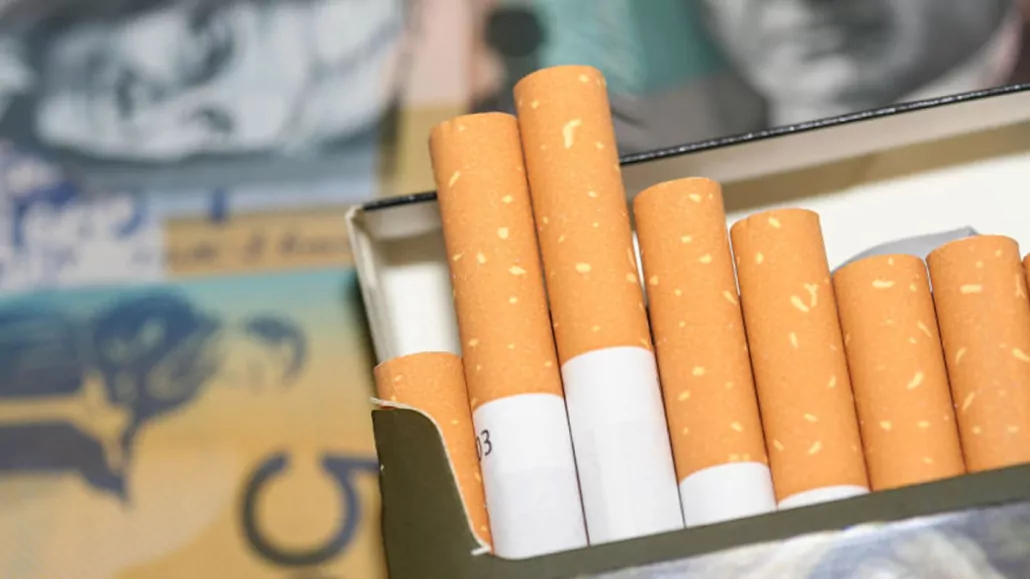
The European Union has pushed back a ministerial vote on higher tobacco and nicotine levies from October to November. The delay aims to allow Sweden time to form a new coalition government following its national election, providing room for negotiators to resolve a diplomatic deadlock over oral nicotine pouches.
Brussels is seeking to update the Tobacco Taxation Directive by raising excise duties on traditional cigarettes while establishing minimum tax rates across newer categories, including vapes, heated tobacco, and nicotine pouches. The policy aims to reduce smoking-related illnesses and deter youth uptake. However, tax files in the EU require unanimous approval from all member states, giving any single nation veto power.
Stockholm has positioned itself as the main opponent of the tax package. Nicotine pouches and traditional tobacco snus remain deeply embedded in Swedish culture, prompting politicians across the political spectrum to reject higher levies imposed by Brussels.
“Other countries do not get to decide over our snus,” stated Swedish Finance Minister Elisabeth Svantesson ahead of the election.
The Tax Rate Divide on Nicotine Pouches
The primary point of friction involves the European Commission’s target rates, which would force steep price increases on Swedish consumers.
| Jurisdiction / Proposal | Proposed / Current Minimum Levy | Alternative Percentage Rate |
|---|---|---|
| European Commission Proposal | €71.50 per kilogram | 25% of retail price |
| Current Swedish Domestic Rate | €18.36 per kilogram | N/A |
The Irish presidency of the Council of the EU, which directs the negotiations, confirmed that discussions will continue bilaterally to build consensus ahead of the November ECOFIN ministerial meeting. EU diplomats noted that proceeding with the vote on October 9 would have resulted in an immediate veto, as an outgoing Swedish administration lacks the political mandate to sign off on tax treaties.
Clashing Views on Harm Reduction and Public Health
The policy dispute has intensified debate across the bloc regarding the role of alternative nicotine products in public health strategies.
Proponents of Sweden’s approach point out that daily smoking rates in the country dropped from over 30% in 1980 to 5% in 2024. Tobacco researchers argue that keeping taxes low on smoke-free alternatives encourages smokers to transition away from combustible cigarettes.
Conversely, the Public Health Agency of Sweden attributes the country’s low smoking rates to decades of conventional tobacco control measures, including strict advertising bans, public smoking restrictions, and age limits. The agency stated that scientific evidence does not substantiate claims that nicotine pouches drove the decline in smoking.
Anti-smoking organizations and member states like France remain skeptical of nicotine pouches. Activists argue that lower taxes on novel products risk hooking non-smokers and adolescents. The World Health Organization has similarly advised governments against adopting permissive regulatory models for nicotine pouches.
EU officials will convene directly after the Swedish election to review revised compromise texts, attempting to bridge the gap between regional health directives and Swedish domestic policy.

- Ukraine Postpones Digital e-Excise Rollout to July 2027 - October 16, 2026
- Italy Raises Prices on Rolling Tobacco, Heated Sticks, and Cigars - October 15, 2026
- German Committee Approves Tobacco Tax Hike, Raising Cigarette Prices by €4 by 2030 - October 15, 2026
Related posts:
 Costa Rica’s Proposed Nicotine Ban: A Win for Cartels, Blow to Public Health
 Plain Tobacco Packaging Fails to Curb Smoking Rates, Global Data Shows
 Nevada Cigarette Tax: Advocates Push for $1.75 Pack Increase
 Tennessee House Committee Passes Bill Taxing Vapes, Banning Non-FDA-Approved Products
 California Ranks Lowest for Youth Vaping in the U.S.
 Poland’s Vape Industry Faces Massive Excise Tax Hike

