
State Flavored Tobacco Bans Do Not Lower Youth Use, Study Shows
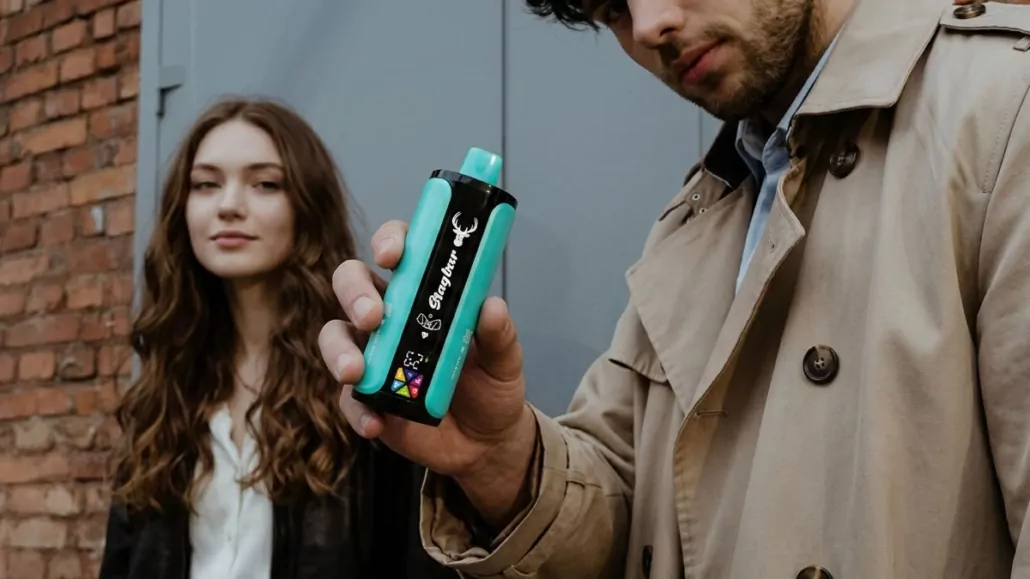
A study led by Leonard Davis Institute of Health Economics (LDI) Senior Fellow Andy Tan found that statewide flavored tobacco bans do not reduce youth tobacco use over the long term on their own. Comparing Massachusetts youth with peers in neighboring states without sales restrictions, researchers observed no difference in past 30-day tobacco use.
Federal law banned flavored cigarettes in 2009, with the exception of menthol. Because eight in ten youth start using tobacco with flavored options and nearly 90% of youth vapers use flavored products, states began taking action. In 2019, Massachusetts became the first state to prohibit the sale of all flavored tobacco products, including menthol cigarettes and flavored e-cigarettes. While initial data showed an 89.4% drop in retail e-cigarette sales, this new research examined long-term behavioral outcomes among adolescents.
Evaluating the Impact of the Massachusetts Flavor Ban
Tan and his research team tracked youth behavior to determine whether the policy achieved its primary public health goal. The findings revealed that local sales restrictions alone did not alter overall youth tobacco consumption.
“We identified no difference in tobacco use trends between Massachusetts and neighboring states a year after implementation,” Tan stated. “While some literature suggests bans might unintentionally increase youth cigarette use, we observed no such trend in MA. This is critical because it suggests that while restrictions on flavored tobacco sales are a vital first step, they may not be sufficient for sustained effectiveness.”
Six additional states have introduced similar bans covering menthol and flavored vapor products since Massachusetts passed its law. However, recent academic literature presents mixed findings regarding whether flavor bans lower youth vaping over extended periods.
Study Limitations and Policy Realities
Tan outlined four key limitations that influenced the study’s scope and outcomes:
- Sampling Constraints: The data relied on convenience samples rather than fully representative state youth populations.
- Pandemic Disruptions: Data collection occurred during the COVID-19 pandemic, which altered adolescent social behavior and product access.
- Overlapping Federal Policies: The implementation coincided with national changes, including the federal Tobacco 21 law and the FDA restriction on cartridge-based flavored pods.
- Usage Frequency: The study measured past 30-day prevalence rather than daily intensity or puff frequency.
Actionable Steps for State and Federal Regulators
To achieve meaningful drops in adolescent tobacco uptake, Tan advises lawmakers to avoid relying on standalone sales bans. Instead, policymakers must design multi-layered strategies that address product affordability and addiction management.
“Policymakers should integrate flavor restrictions into a strategy including enhanced enforcement, price increases, and youth prevention programs,” Tan explained. “Additionally, restrictions must be paired with robust cessation support to make evidence-based treatments more easily accessible, specifically mandating insurance coverage for treatments without cost-sharing.”
He added that federal and state flavor bans must continue to include menthol products to protect communities historically targeted by tobacco marketing. Moving forward, the research team is expanding its analysis to compare policy variations across all six states with active bans to assess long-term social norms and health equity outcomes.

- Ukraine Postpones Digital e-Excise Rollout to July 2027 - October 16, 2026
- Italy Raises Prices on Rolling Tobacco, Heated Sticks, and Cigars - October 15, 2026
- German Committee Approves Tobacco Tax Hike, Raising Cigarette Prices by €4 by 2030 - October 15, 2026
Related posts:
 Kentucky 2026 Laws: 3.5% Tax Cut & New Vape Regulations
 Chicago CBP Officers Seize Over 43,000 Illicit Vaping Products
 Brazil Bill Proposes Full Ban on Vape Sales and Production
 Study Supports Providing Free Vapes to Help Smokers Quit
 Understanding China’s Vape Regulations: Everything You Need to Know

