
FDA Defends Flavored Vape Review Standard in Fifth Circuit Grilling
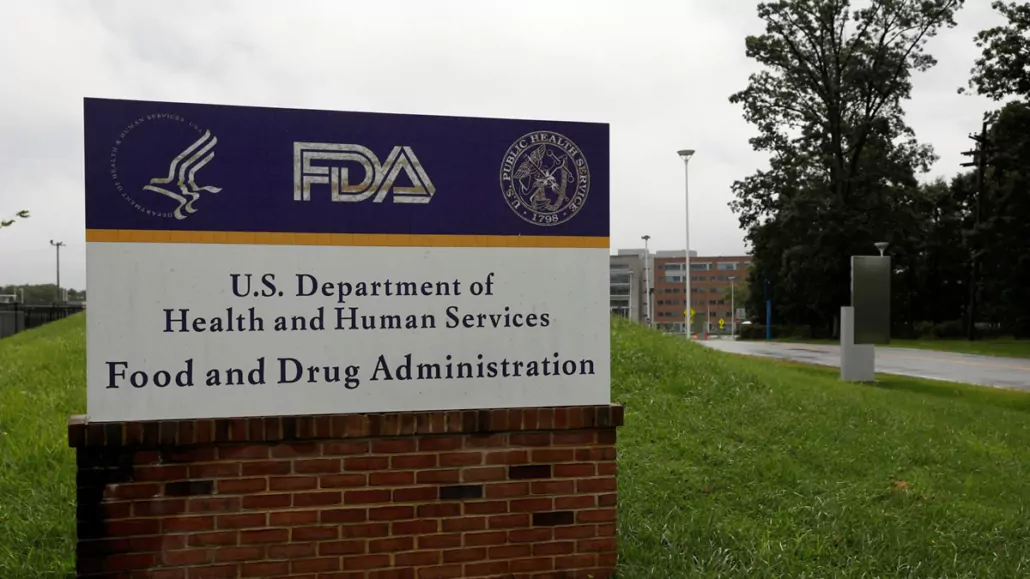
The U.S. Food and Drug Administration (FDA) faced intense scrutiny from a Fifth Circuit appellate panel on Tuesday over whether it violated federal law by implementing a heightened review standard to reject millions of flavored vape applications without public notice and comment.
The legal battle centers on the FDA’s “comparative efficacy standard.” Under this policy, manufacturers of non-tobacco-flavored e-liquids must prove their products are more effective at helping adult smokers quit than plain tobacco-flavored alternatives to gain marketing authorization.
The “Notice and Comment” Legal Battle
The plaintiffs, including Wages and White Lion Investments (doing business as Triton Distribution) and Vapetasia, argue that this comparative standard is a de facto regulatory rule. Under the Administrative Procedure Act (APA), the FDA is legally required to subject such rules to a public notice-and-comment period before implementation.
Eric Heyer, representing the vape companies, argued that the FDA applied this standard in the abstract, entirely divorced from the specific youth-use risk evidence presented in individual applications.
U.S. Circuit Judge Edith Jones, a Ronald Reagan appointee, expressed strong agreement with the plaintiffs. “Under the test of the Fifth Circuit, if it walks like a rule and it squawks like a rule, it’s subject to notice and comment,” Jones noted, adding that the FDA was “arbitrarily putting hundreds of thousands of small businesses out of business.”
FDA Defends Case-by-Case Adjudication
Justice Department lawyer Joshua Koppel, representing the FDA, countered that the agency did not engage in advance rulemaking. Instead, he argued the FDA simply “adjudicated a lot of applications in a similar way,” characterizing the consistent decisions as standard administrative practice.
Koppel asserted that the plaintiffs’ arguments relied on a rescinded internal FDA memo. However, Judge Jones remained skeptical, pointing out that 99% of subsequent marketing denials used identical language directly lifted from that supposedly discarded policy.
A History of Regulatory Friction
The dispute is part of a broader regulatory crackdown that began in 2016 when the FDA designated e-cigarettes as tobacco products under the Tobacco Control Act. In 2021, the agency issued mass denials for over a million flavored vape products, citing their high appeal to youth.
While the U.S. Supreme Court overturned a previous Fifth Circuit ruling in 2025 that deemed the FDA’s denials “arbitrary and capricious,” the high court explicitly declined to rule on the notice-and-comment issue, leaving the door open for the current challenge.
The three-judge panel, which also includes Judges Leslie Southwick and Catharina Haynes, has taken the case under submission. No timeline has been given for the final ruling.

- Philippines Mandates Safety Certification for Nicotine Pouches - October 12, 2026
- Poland’s Vape Tax Dispute Exposes Inflated Claims and Foreign Loopholes - October 12, 2026
- Turkey to Require National ID Numbers for Tobacco and Cigarette Sales - October 12, 2026
Related posts:
 Canada Considers Lifetime Smoking Ban Modeled After UK Law
 OXbar * Pod Juice Ice-Nic Control 35K Disposable Vape Review
 FDA Deploys AI and Slashes PMTA Review Times for Tobacco Products
 New Data Reveals Canada’s Teen Vaping Rates Among Highest Globally
 Taiwan Heated Tobacco Rules: Duty-Free Limit & NT$5 Million Fine

