Georgia Legalizes Medical Marijuana Vaping Under New Bill
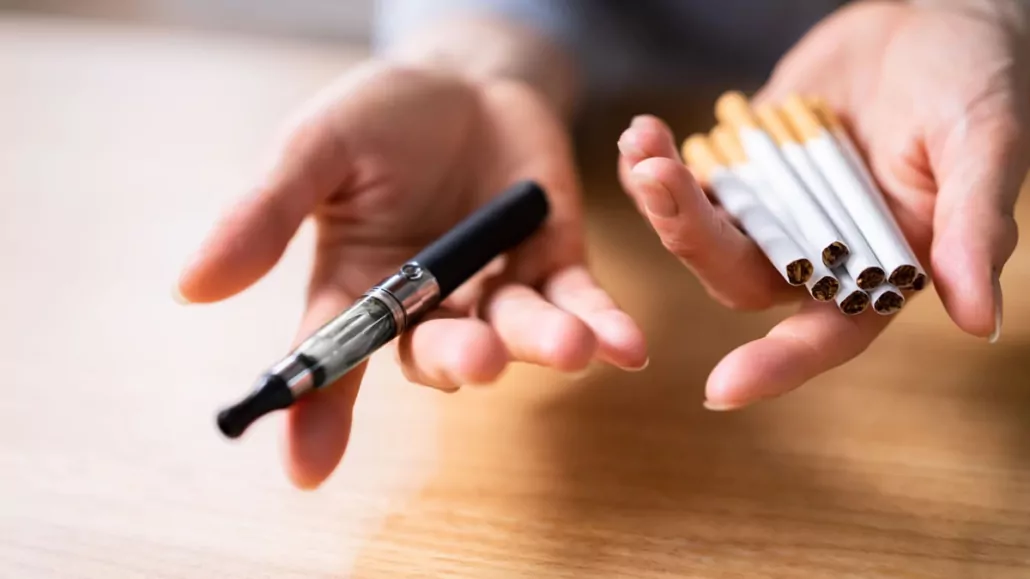
Georgia Governor Brian Kemp has officially signed Senate Bill 220, significantly expanding the state’s medical cannabis program. This legislative update allows registered patients to legally inhale medical marijuana via vapes, offering faster relief for chronic conditions while introducing new THC possession limits.
The inclusion of vaping marks a major shift for patients seeking immediate symptom management. Gary Long, CEO of Botanical Sciences—Georgia’s largest medical marijuana dispensary—noted that inhaled cannabis enters the bloodstream directly. This provides rapid relief for severe conditions like multiple sclerosis, cancer, and PTSD.
For veterans like Doug Maddi, who manages physical and mental trauma from combat, the vaping provision offers crucial daily support by delivering pain relief in a significantly shorter timeframe compared to traditional ingestion methods.
Beyond consumption methods, the bill fundamentally restructures how patients can possess THC, shifting from a potency percentage to a total volume limit.
| Metric | Previous Regulation | New Regulation (SB 220) |
|---|---|---|
| THC Restriction | 5% maximum potency cap | 12,000 milligrams total possession limit |
| Inhalation | Vaping prohibited | Vaping legally permitted |
However, the expansion has sparked concerns regarding dosage safety. Michael Mumper, executive director of Georgians for Responsible Marijuana Policy, warned that 12,000 milligrams represents a massive supply—potentially enough for 300 days for an average user. He urged patients to seek strict dosage guidance, noting that medical vaping lacks FDA approval.
Despite signing the expansion to aid patients with chronic illnesses, Governor Kemp reiterated his firm opposition to legalizing recreational marijuana in the state.

- Recycling Point, Bin, or Kitchen Drawer? What UK Vapers Actually Do With a Dead Device - September 30, 2026
- How Cannabis Operators Should Qualify a Vape Hardware Supplier - September 30, 2026
- From Distillate to Finished Pod: The Quality-Control Steps Behind a Premium CBD Vape - September 30, 2026