Mexico Enforces Prison Sentences for Vape Sales
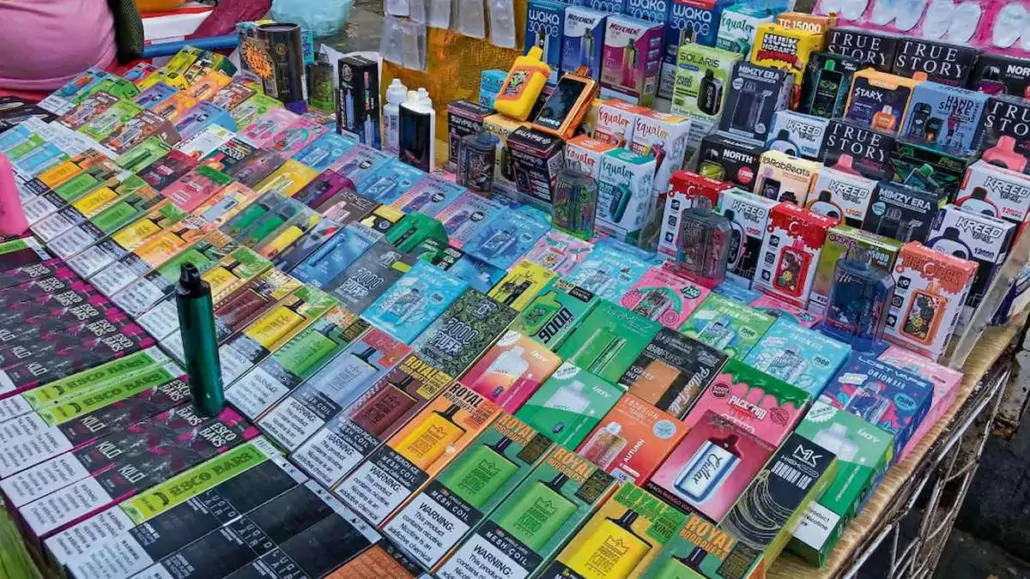
Guillermo Blanco Govea, Colima’s State Commissioner for Mental Health and Addictions, has issued a stark warning regarding the escalating public health crisis fueled by vaping. Following the January implementation of severe judicial regulations in Mexico, authorities are actively prosecuting individuals for distributing unregulated, drug-laced devices targeting adolescents.
The aggressive enforcement marks a significant shift in Mexico’s approach to tobacco and vaporiser control. While the country took a firm stance in 2022 by prohibiting the commercialization, distribution, and importation of vapes through a presidential decree, enforcement remained a challenge. For years, a prevailing public perception that these prohibitions carried no real consequences allowed the black market for electronic cigarettes to flourish.
However, the legal landscape transformed dramatically in January of this year. A new judicial regulation officially took effect, establishing severe economic sanctions and potential prison sentences for those who violate the ban. Authorities are no longer issuing mere warnings; recent cases have already seen individuals legally prosecuted and bound over for facilitating vapes to students.
“There are now legal consequences for anyone who sells, distributes, or promotes vapes,” Blanco Govea stated during a recent interview. “The population must understand that this is not a harmless product, nor is it a passing trend.”
This crackdown coincides with broader efforts to expand 100 percent smoke-free environments across the country. Under the framework of the WHO Framework Convention on Tobacco Control, Mexico has successfully extended smoking bans to restaurants, sports arenas, and cultural and recreational areas. While resistance remains—particularly in bars and nightclubs—officials note that measures such as increased cigarette taxes and graphic warning labels have been highly effective in forcing consumers to reflect on their daily expenditures and health risks.
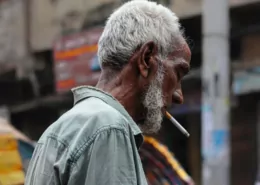
The sheer scale of the tobacco epidemic remains staggering. Globally, tobacco use is responsible for nearly 10 million deaths annually, comprising nine million active smokers and one million passive smokers exposed to secondhand smoke. This equates to one death every six seconds worldwide. In Mexico alone, approximately 165 people die every single day from diseases directly associated with tobacco consumption.
Traditional cigarette smoke contains thousands of harmful substances, with at least 400 identified as known carcinogens. Beyond the well-known risk of lung cancer, smoking is a primary driver of cardiovascular diseases and tumors in the bladder, pancreas, kidneys, stomach, and urinary tract. Furthermore, these toxic substances can trigger hereditary genetic mutations.
“If you are not going to leave an economic inheritance, at least do not leave an inheritance of diseases. Inherit health,” Blanco Govea urged the public.
Both traditional smoking and vaping generate profound physical and psychological dependence. Nicotine fundamentally alters the brain centers responsible for appetite, anxiety regulation, and the sensation of reward. Consequently, many individuals who begin smoking or vaping under the illusion that it will alleviate stress quickly find themselves trapped in a cycle of addiction.
“Tobacco does not solve emotional problems nor does it control anxiety,” Blanco Govea explained. “Many people start smoking thinking they are going to relax, but in reality, they develop a severe dependence.”
Because of this complex neurological alteration, abandoning the habit often requires professional intervention. In Colima, residents have access to specialized smoking cessation clinics through institutions like Ecosamas, Youth Integration Centers, IMSS, and Issste. Officials are particularly urging pregnant women to seek help, as exposure to smoke and vapor severely impairs the pulmonary, cardiac, and cerebral development of fetuses.
| Common Myths About Vaping & Tobacco | The Clinical Reality |
|---|---|
| Vaping is a safe alternative to smoking. | Vaping causes acute lung injury, cardiovascular damage, and severe respiratory failure. |
| Vapes only produce harmless “water vapor.” | Devices emit toxic chemical aerosols containing industrial compounds and carcinogens. |
| Flavored vapes are safe for teenagers. | Flavors mask highly addictive nicotine and often conceal illicit drugs like fentanyl or meth. |
| Smoking/vaping cures anxiety and stress. | Nicotine alters brain chemistry, creating dependency and actually increasing baseline anxiety. |
| Vaping is a proven method to quit smoking. | It frequently fails as a cessation tool and often increases overall nicotine dependence. |
To combat the epidemic, health authorities are urging parents, educators, and community members to remain vigilant. Identifying the early signs of addiction and unregulated device usage is critical to preventing long-term health consequences.
Critical Red Flags for Parents and Users:
- Frequent, compulsive, or secretive use of vapes or traditional cigarettes.
- Onset of persistent coughing, difficulty breathing, or a recurring sensation of shortness of breath.
- Experiencing nausea, vomiting, or unexplained fevers immediately following vape use.
- Relying on tobacco or vapes as an emotional crutch to “control” anxiety or daily stress.
- Displaying noticeable irritability, mood swings, or severe anxiety when unable to consume nicotine.
- The discovery of vapes, e-liquids, or “Energy Sticks” among the possessions of minors.
- Purchasing devices from informal markets or social media without clear information on chemical content or manufacturing origin.

- Which States Still Grow America’s Tobacco? The Post-Buyout Era - June 17, 2026
- Pennsylvania: Pittsburgh Passes Strict Vape Shop Zoning Bill - June 10, 2026
- Ohio: Yellow Springs Halts New Smoke Shops with 180-Day Freeze - June 10, 2026