
Germany’s Vaping Black Market: 40% of Products Now Sourced Illegally
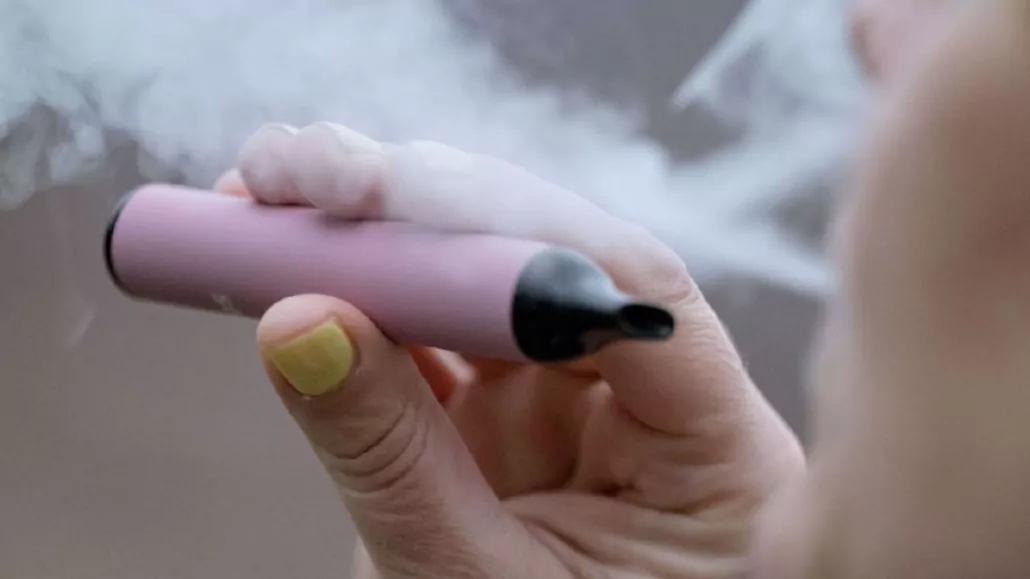
Explosive growth in Germany’s illicit vaping sector is being driven by a 60% price hike following a doubling of e-liquid taxes since 2022.
Germany’s vaping industry is facing a systemic crisis as the illicit market now accounts for an estimated 40% of national consumption. Following a tax increase from €0.16 to €0.32 per milliliter, retail prices for standard e-liquids have surged by over 60%, pushing consumers toward unregulated products primarily sourced from China. Experts warn that pending flavor bans, particularly on menthol, could double the illicit share by 2030, undermining both public health and fiscal stability.
The Fiscal Catalyst: How Taxation Fueled the Shadow Economy
The fiscal pivot initiated by the German federal government in the early 2020s has fundamentally reshaped the vaping landscape. While intended to bolster public health and state revenue, the progressive increase in excise duties on e-liquids has inadvertently created a fertile environment for the black market. Between 2022 and 2026, the tax rate doubled, leading to a dramatic inflation of retail prices that has outpaced consumer purchasing power.
The following table illustrates the sharp rise in e-liquid costs and taxation over the last five years:
| Year | Tax per Milliliter (€) | Avg. Price (10ml Bottle) | Cumulative Increase |
|---|---|---|---|
| 2021 | €0.00 (Standard VAT only) | €5.90 | Baseline |
| 2022 | €0.16 | €7.50 | +27% |
| 2024 | €0.24 | €8.30 | +41% |
| 2026 | €0.32 | €9.45 | +60% |
According to Jan Mücke, president of the BTVE (Federal Association of the Tobacco Industry and Novel Products), nearly one in two vapers in Germany may now be sourcing products through unofficial channels. The 60% price hike on a standard 10ml bottle has transformed vaping from an affordable smoking cessation tool into a luxury good, driving price-sensitive consumers toward untaxed alternatives.
Market Segmentation: The Rise of “Grey” and “Black” Trade
The German illicit market is no longer a fringe phenomenon; it is a sophisticated economic engine. Industry audits suggest that approximately one in six German vape shops now stocks non-compliant or illegal items. In major metropolitan hubs such as Hamburg, Berlin, and Bremen, waste analysis studies found that up to 40% of discarded vaping products were either counterfeit or illegally imported.
To understand the challenge, researchers distinguish between two primary illicit flows:
- The Black Market: Products that are entirely illegal, failing to meet EU safety standards and bypassing all taxation. These are often high-capacity disposables that exceed the legal 2ml tank limit.
- The Grey Market: Products imported “legally” by individuals for personal use that are not registered or taxed for sale within Germany.
Combined, these segments represent 36% to 40% of total national volume, a figure significantly higher than the European average. China remains the primary source, accounting for 90% of unauthorized products, which are easily accessible via online platforms at prices that legitimate retailers cannot match.
Enforcement Challenges: The €750,000 Storage Dilemma
The logistical difficulty of curbing this trade was highlighted by a landmark seizure in Bavaria in 2025. Customs officials intercepted nearly one million illegal vapes in a single warehouse. However, the victory was bittersweet. The cost of storing these products in specialized bunkers while awaiting destruction reached an estimated €750,000—a bill footed by German taxpayers.
Furthermore, the legal pursuit of the perpetrators hit a “regulatory wall.” The warehouse was owned by a shell company with ultimate beneficiaries located in China, making them effectively untouchable by German law. This case underscores the “structural failure” of current enforcement: while local shops can be inspected, the massive upstream supply chains remain shielded by international borders and opaque corporate structures.
Public Health Risks: Toxic Ingredients and Counterfeit Hardware
The shift toward the black market is not just a fiscal issue; it is a public health emergency. Products sourced from unregulated channels bypass the mandatory TPD (Tobacco Products Directive) notification process, meaning their chemical composition is unknown.
- Ingredient Transparency: Illicit e-liquids often contain undeclared or banned substances, increasing the risk of respiratory irritation and long-term toxicity.
- Hardware Safety: Counterfeit devices frequently use low-grade batteries and heating elements that lack basic safety certifications, posing risks of fire or explosion.
- Youth Appeal: The black market specializes in the very “candy” and “toy-like” designs that German regulations seek to prohibit, making nicotine more accessible to minors.
The paradox of Germany’s restrictive policy is that by banning popular flavors like menthol in the legal market, the government may be pushing users toward even more dangerous, unregulated versions of those same flavors.
Expert Verdict: Balancing Regulation with Market Viability
Germany stands at a complex crossroads. The current trajectory suggests that punitive taxation is reaching a point of diminishing returns, where the loss in legal sales and tax evasion outweighs the gains from higher duties. To stabilize the market, experts suggest a multi-pronged approach:
- Fiscal Calibration: Revising the tax ladder to ensure legal products remain competitive with illicit imports.
- Customs Synchronization: Increasing inspections on small individual parcels arriving from Asia via the internet.
- Public Awareness: Educating consumers on the specific health risks associated with “grey market” hardware and e-liquids.
Ultimately, the German experience serves as a warning to other EU nations: when the gap between legal prices and black-market availability becomes too wide, the shadow economy will inevitably fill the void, leaving the state with less revenue and the public with greater health risks.

- Indonesia: Denpasar Updates Smoke-Free Bylaw to Tighten Vape Rules - October 20, 2026
- Teen Girls Surpass Boys in Vaping Rates, Reversing Historic Trends - October 20, 2026
- Alabama: Irondale Proposes Public Vaping Ban with Fines Reaching $200 - October 20, 2026
Related posts:
 Malta: 26% of 15-16 Year Olds Have Tried Vaping – Report
 Vaping Helps Smokers Quit New Research Shows
 Australia: NSW Launches New Unit to Tackle Illegal Vapes
 Minnesota Reveals $60.5 Million Settlement with Juul
 Illinois Bans Indoor Vaping and E-Cigarette Use Statewide
 Namibia Imports N$1.4 Billion of Vapes and Hookah Products

