
Hawaii Bans 99.9% of Vapes Under Strict New Laws Signed by Governor
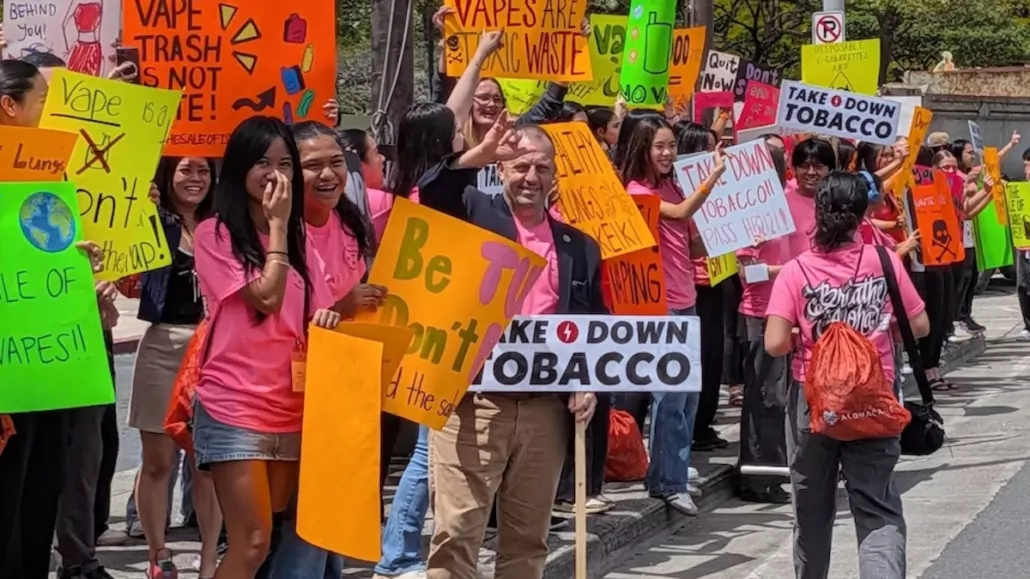
Governor Josh Green signed a pair of bills on Tuesday designed to eliminate almost the entire e-cigarette market in Hawaii. House Bill 1573 and Senate Bill 2175 establish tight regulations and outright prohibitions on electronic smoking devices, targeting youth nicotine addiction and the environmental damage caused by disposable devices.
“Vaping is bad, period,” Governor Green said during the bill signing, highlighting the negative physiological and developmental impacts of nicotine on children. “It leads to young people getting addicted to nicotine… and they get hooked on cigarettes later.”
SB 2175: Outlawing Disposable Vapes by 2027
Senate Bill 2175 targets disposable e-cigarettes, banning their sale and distribution starting January 1, 2027. Retailers caught violating this law will face a fine of \$100 per day for each non-compliant product in their inventory.
In addition to health concerns, Governor Green noted that disposable vapes pose severe environmental hazards. The devices frequently end up as litter, and their built-in lithium batteries present fire risks and leak toxic heavy metals into the ecosystem.
HB 1573: Restricting the Market to FDA-Approved Products
House Bill 1573 introduces a registry system that limits legal sales to vaping products approved by the U.S. Food and Drug Administration (FDA). According to Representative Scot Matayoshi, a co-introducer of the bill, this requirement limits the state’s legal market to only 45 products—most of which lack the sweet, kid-friendly flavors that drive youth initiation.
To enforce this transition, the state is implementing a phased rollout:
- October 1, 2026: Vape manufacturers must submit proof of FDA marketing orders, verify state and federal compliance, and pay a \$1,000 certification fee per product line to distribute in Hawaii.
- January 1, 2027: The Department of the Attorney General will publish a directory of certified products. Selling any uncertified brand will be illegal.
First-time retail violations of the directory law carry a $500 fine per product, which scales up to $2,000 per product by the fourth offense. Manufacturers distributing unapproved products face misdemeanor charges and fines of up to \$10,000 per item.
Addressing the Youth Vaping Crisis and Health Risks
The legislative push reflects growing alarm over vape usage in local schools. Maya Butts, a student at Kalaheo High School, shared that school bathrooms have effectively become “places to vape,” noting that she has watched athletic and motivated peers lose their drive after getting hooked on candy-flavored devices.
State health officials also challenged the idea that vapes serve as effective smoking cessation tools. Lola Irvin, administrator of the Department of Health’s Chronic Disease Prevention Division, stated that dual-use adults are less likely to quit smoking successfully. Irvin added that e-cigarette use is linked to higher risks of oral and lung cancers, concluding that vaping is not a safe method for quitting tobacco.

- Indonesia: Denpasar Updates Smoke-Free Bylaw to Tighten Vape Rules - October 20, 2026
- Teen Girls Surpass Boys in Vaping Rates, Reversing Historic Trends - October 20, 2026
- Alabama: Irondale Proposes Public Vaping Ban with Fines Reaching $200 - October 20, 2026
Related posts:
 Jersey Implements 20p Per Milliliter Vape Tax Effective May 11
 Texas Poised to Ban Most THC Products (SB3 Guide)
 FDA Approves Zyn Nicotine Pouches for Reduced-Risk Marketing
 USPS Blocks Shipments from Major Illicit Vape Distributor
 Imperial Brands Launches “Zone” Nicotine Pouches
 Philippines DTI Suspends Online Vape Sales to Protect Youth

