
Malaysian Council Urges Jakim to Issue Guidelines for Muslims Selling Vapes and Cigarettes
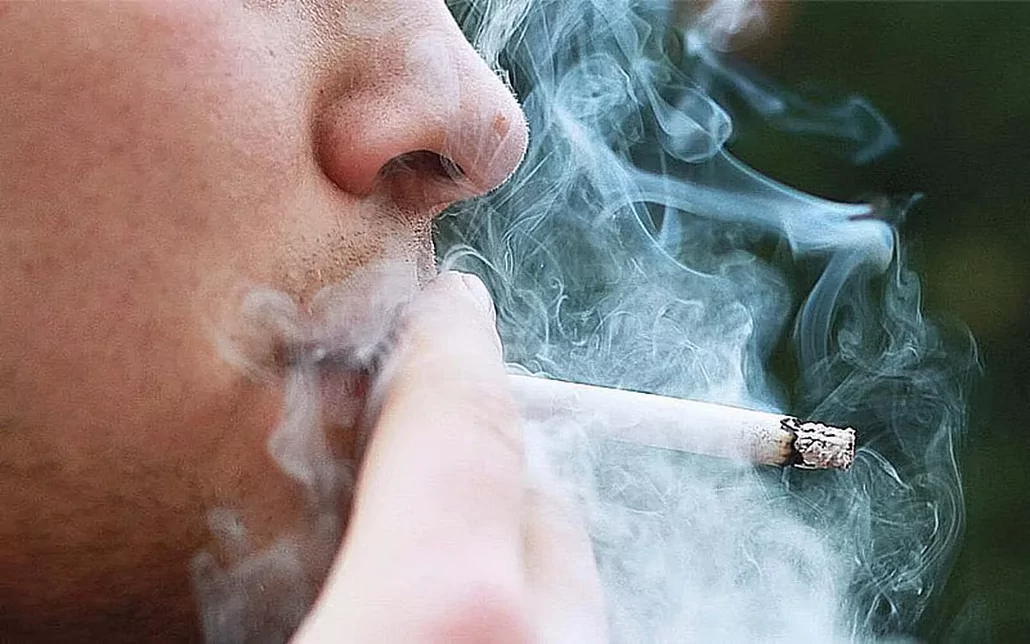
The Malaysian Council for Tobacco Control (MCTC) has urged the Department of Islamic Development Malaysia (Jakim) to issue specific guidelines for Muslim workers handling tobacco and vape sales. The advocacy group argues that religious prohibitions on smoking must extend to retail facilitation, distribution, and commercial supply chains.
Addressing the Policy Gap in Nicotine Distribution
MCTC Secretary-General Sha’ani Abdullah pointed out that Jakim is currently assessing guidelines for Muslims working in venues that sell alcohol. He stated that because tobacco and e-cigarettes carry fatwas declaring them haram, these religious rulings should logically govern the commercial sale of both products.
The National Fatwa Council ruled smoking haram in 1995 due to health hazards, followed by a matching ruling against e-cigarettes in 2015. However, these decisions focused primarily on consumption rather than commercial operations.
“This raises a legitimate question about whether the scope of religious guidance should be extended to cover the sale, marketing, distribution and commercial facilitation of tobacco and vape products,” Sha’ani said. He added that clear distinctions must be drawn between the legal status of the product itself and the ethical duties of employees processing transactions.
Income Status and Workplace Protections
The issue has generated confusion for retail employees across Malaysia. In 2024, the Selangor Mufti Department stated that a Muslim cashier handling transactions for tobacco or vape items enters an area considered syubhah (doubtful). However, the department clarified that this classification did not render the worker’s entire income haram.
Beyond retail counters, Sha’ani emphasized that tobacco rules must be strictly enforced in commercial kitchens and food preparation facilities. Under the Control of Smoking Products for Public Health Act, smoking is banned in dining areas, but kitchen workers often remain exposed to smoke and vapor.
“Public health protection should not stop at the dining area. Workers preparing food are equally entitled to a safe and smoke-free working environment,” Sha’ani said. “We should avoid a situation where the religious prohibition of a harmful product is recognised in principle, but the commercial activities and workplace practices associated with that product remain insufficiently addressed.”

- Malaysian Council Urges Jakim to Issue Guidelines for Muslims Selling Vapes and Cigarettes - November 16, 2026
- Fiji Cabinet Reviews Tobacco Laws to Tackle Vaping & Illicit Trade - November 16, 2026
- NY E-Cigarette Tax Bill: Groups Urge Hochul to Veto - November 16, 2026
Related posts:
 Fiji Cabinet Reviews Tobacco Laws to Tackle Vaping & Illicit Trade
 Malaysian Terengganu Bans Vape Sales from August 1st, Joining Other States
 Malaysia Vaping Ban: Lessons from French Health Study
 Is Vaping or Smoking While Driving Illegal in Hawaii?
 Tennessee: Ashland City passes new smoke shop restrictions
