Mexico Bans Vape Sales: 8 Years Prison & Personal Use Rules
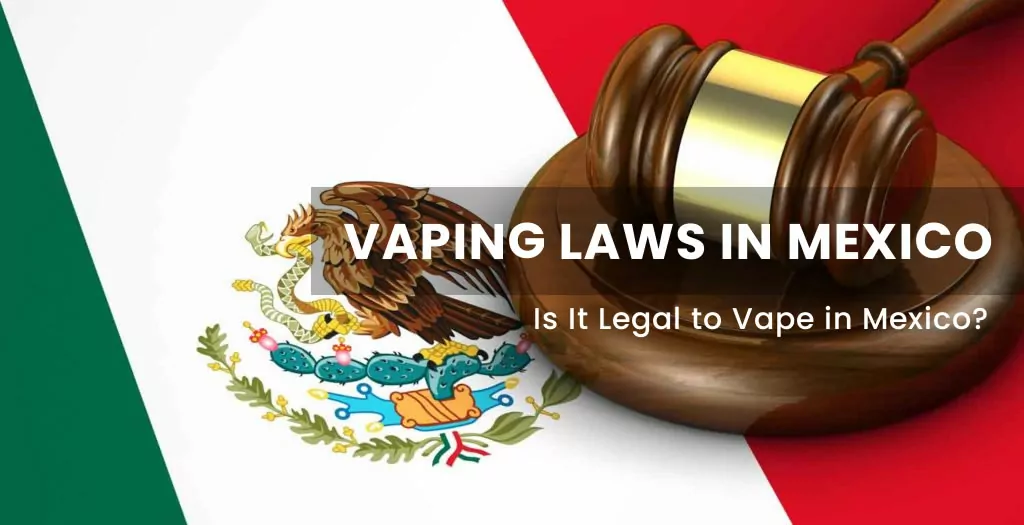
Mexico’s new legislation, effective January 2026, imposes a total ban on the commercialization, import, and sale of all vaping devices, regardless of nicotine content. While personal possession and use remain legal, anyone involved in the supply chain—from manufacturers to retailers—faces severe penalties, including up to eight years in prison.
Key Takeaways:
- Commercial Ban: Manufacture, distribution, and sale are strictly prohibited.
- Prison Sentences: Violators in the supply chain face 8 years in prison.
- Personal Use Exempt: Consumers will not be penalized for possession.
- Black Market Risk: Critics warn the ban may fuel unregulated illicit trade.
Mexico’s vape ban refers to a sweeping reform of the General Health Law that criminalizes the commercial side of the electronic cigarette industry while decriminalizing individual consumption. As the country moves toward a complete prohibition on sales by January 2026, the government aims to eradicate the legal market to protect public health, particularly among youth.
Severe Penalties: Up to 8 Years Prison for Sellers
The reform introduces some of the harshest penalties globally for vape-related commerce. The law targets the entire supply chain, not just retailers.
Commercial activities now subject to criminal prosecution include:
- Manufacturing & Production: Creating devices or e-liquids.
- Distribution & Logistics: Transporting or storing vape products for commercial purposes.
- Import & Export: Bringing devices into or out of the country.
- Retail Sales: Selling to end consumers, whether in physical stores or online.
Violators found guilty of these activities can face prison sentences of up to eight years, alongside substantial economic fines and the permanent closure of their businesses. This escalation marks a shift from administrative sanctions to criminal liability.
Personal Use Remains Decriminalized
Crucially, the legislation draws a sharp distinction between commerce and consumption. Personal possession and use of vapes are not criminalized. This means that while buying a vape may become incredibly difficult due to the shutdown of legal vendors, users themselves will not face legal sanctions for owning or using a device they already possess.
Scope of the Ban: No Loopholes for “Nicotine-Free”
The legislation is designed to be comprehensive, closing common loopholes found in other jurisdictions.
| Category | Status Under New Law | Details |
|---|---|---|
| Nicotine Vapes | Banned | All devices delivering nicotine are prohibited. |
| Nicotine-Free Vapes | Banned | Zero-nicotine devices are explicitly included to prevent “gateway” use. |
| Accessories | Banned | Sale of parts, batteries, and e-liquids is illegal. |
| Advertising | Banned | All promotion on traditional and digital media is forbidden. |
Public Health Rationale vs. Unintended Consequences
The government justifies these extreme measures by citing the health risks associated with vaping, such as lung damage, cardiovascular issues, and the presence of toxic compounds like formaldehyde. Officials emphasize the need to stop the “normalization” of smoking behaviors among minors.
However, the strategy has drawn sharp criticism. Senator Luis Donaldo Colosio argued that “prohibiting means pushing people to a black market without labeling, without control, without responsibility, with much greater risks.”
Experts warn that by eliminating the legal, regulated market, Mexico risks empowering criminal networks. Without legal avenues to purchase quality-controlled products, consumers may turn to illicit sources selling untested and potentially more dangerous devices, undermining the very public health goals the law aims to achieve.

- Indonesia: Denpasar Updates Smoke-Free Bylaw to Tighten Vape Rules - October 20, 2026
- Teen Girls Surpass Boys in Vaping Rates, Reversing Historic Trends - October 20, 2026
- Alabama: Irondale Proposes Public Vaping Ban with Fines Reaching $200 - October 20, 2026