
Mississippi Vape Law Leads to Rise of “Nixodine” Alternative
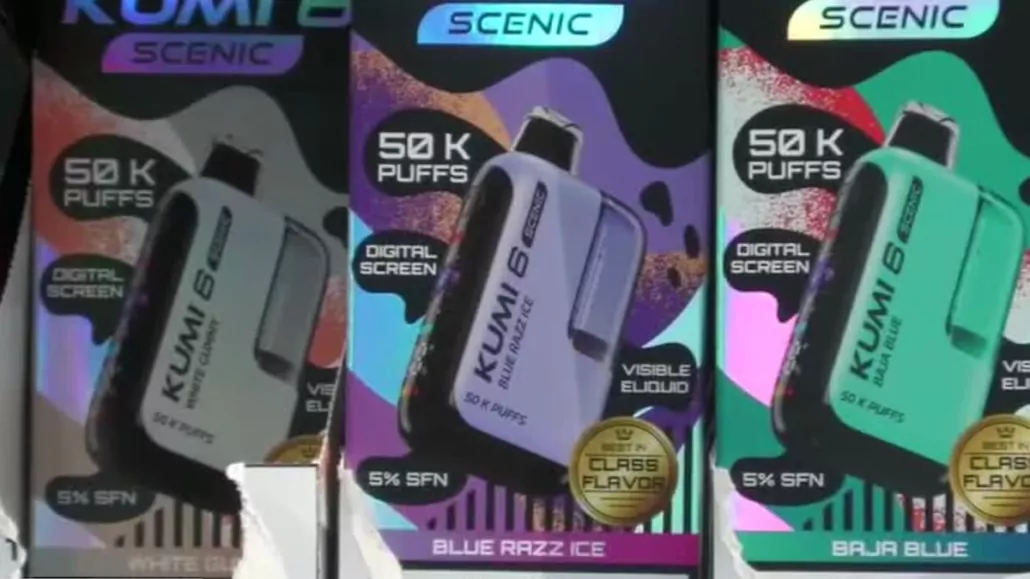
Following Mississippi’s strict 2025 vaping law, manufacturers are reformulating products with a lab-created nicotine alternative called Nixodine to bypass state sales restrictions. Health educators warn that consumers are largely unaware of this chemical switch, as packaging remains nearly identical, while the long-term health effects of this vitamin B-derived substance remain unstudied.
Key Takeaways:
- Chemical Switch: Vapes are replacing nicotine with Nixodine to evade the new state directory rules.
- Consumer Confusion: Identical branding masks significant ingredient changes.
- Regulatory Loophole: The law limits nicotine ENDS but may not cover these new alternatives effectively.
- Health Unknowns: Experts caution that the long-term safety of inhaling Nixodine is unknown.
Health educators in Mississippi have confirmed a quiet but significant shift in the vaping market, with a substance called Nixodine increasingly appearing in disposable vapes. This development occurs amidst the enforcement of the state’s 2025 vaping law, directly resulting in consumer confusion and concerns over unstudied chemicals entering the supply chain.
The Regulatory Trigger: Mississippi’s 2025 Vape Law
Mississippi’s new legislation, which fully took effect with a public directory on October 1, 2025, was designed to limit the sale of Electronic Nicotine Delivery Systems (ENDS). Manufacturers were required to certify that their products met federal standards, such as FDA authorization or pending premarket applications, by September 1.
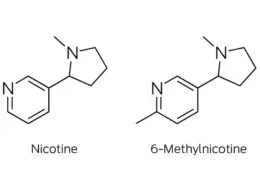
However, the law’s specific focus on “nicotine-containing” products has created a loophole. Manufacturers are adapting by swapping traditional nicotine for Nixodine, a lab-created alternative derived from a vitamin B blend, allowing them to bypass the state’s restrictive directory while keeping products on shelves.
The “Invisible” Change on Store Shelves
The transition has been subtle, often catching consumers off guard. Because the law allows products to remain on sale if only their branding or packaging changes slightly, the visual difference between a nicotine vape and a Nixodine vape is often negligible.
Melanie Blanton, a health educator at The University of Southern Mississippi, explained the industry’s tactic: “A lot of times when one thing gets restricted… they will remarket it and change one little thing — maybe the name or a name and the ingredients — but it looks exactly like the one before.”
This has left users like Gavin McGowan, a regular vaper, in the dark. “I saw that they just got rid of the vapes, then they became FDA-approved and just went right back, but I didn’t know anything about [the change in chemicals],” he admitted.
Health Concerns Over Nixodine
While Nixodine is marketed as a nicotine alternative, public health officials are raising red flags about its safety profile.
| Substance | Origin | Regulatory Status | Health Data |
|---|---|---|---|
| Traditional Nicotine | Tobacco plant | Heavily Regulated (FDA/State) | Well-studied risks. |
| Nixodine | Lab-created (Vitamin B blend) | Bypasses some ENDS rules | Unknown long-term effects. |
Darrius Moore from the Mississippi State Department of Health emphasized the uncertainty: “The thing that needs to be focused on is that this is something that’s lab created.” Without long-term studies on the inhalation of this specific compound, consumers are effectively acting as test subjects for the new formula.

- Indonesia: Denpasar Updates Smoke-Free Bylaw to Tighten Vape Rules - October 20, 2026
- Teen Girls Surpass Boys in Vaping Rates, Reversing Historic Trends - October 20, 2026
- Alabama: Irondale Proposes Public Vaping Ban with Fines Reaching $200 - October 20, 2026
Related posts:
 BAT Urges Stricter Vape Licensing & Checks in Ireland
 What is Nixodine? Nicotine-Free Vape Alternative Explained
 Australia’s “War on Nicotine” Doomed to Fail Like War on Drugs
 Kansas Launches Statewide Crackdown on Illegal THC Vapes
 New Zealand Bans Nicotine Pouches in Smokefree Bill
 Federal Agencies Seize $7M+ in Unauthorized E-Cigarettes in Miami

