
As Denver’s Flavored Tobacco Ban Takes Effect, Retailers Face Fines
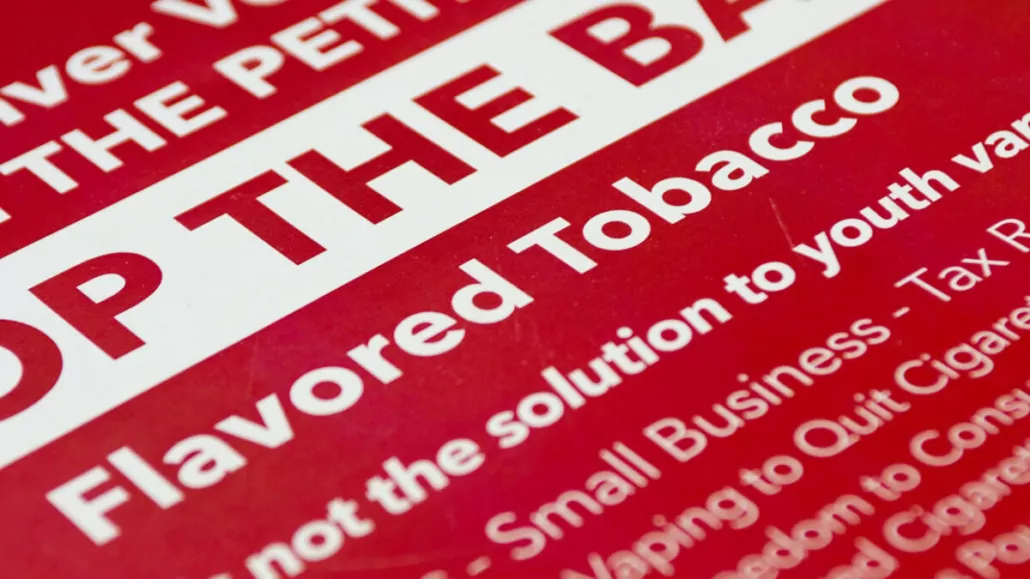
Denver has begun strict enforcement of its flavored tobacco ban as of January 1, 2026, utilizing both public-facing and undercover inspections. Retailers found selling prohibited products, including menthol, face escalating fines starting at $1,000 and potential license suspension. The city aims to visit each of the estimated 600 retailers multiple times a year to ensure compliance.
Key Takeaways:
- Immediate Enforcement: “Soft enforcement” plans were scrapped; strict compliance checks began Jan 1.
- Hefty Penalties: Fines range from $1,000 to $5,000, with license suspension for repeat offenders.
- Undercover Ops: The city targets 2-4 undercover visits per retailer annually.
- Business Impact: Local vape shops report revenue drops of up to 50% due to the ban.
The Denver flavored tobacco ban refers to a citywide ordinance prohibiting the sale of all flavored tobacco and nicotine products, including menthol, which officially entered a phase of strict enforcement on January 1, 2026. Following a decisive voter approval in November 2025, the Denver Department of Public Health and Environment (DDPHE) is now tasked with ensuring the city’s estimated 600 retailers comply with the new law.
Enforcement Strategy: Inspections and Undercover Operations
While city officials initially hoped for a period of “soft enforcement” to educate retailers, the timeline dictated by the Proposition 310 measure necessitated an immediate shift to active regulation. Teddy Montoya, the city’s tobacco program manager, confirmed that enforcement began promptly with the new year.
The DDPHE’s strategy is two-pronged:
- Public-Facing Inspections: Routine checks to ensure no flavored products are on display or available for sale.
- Undercover Investigations: Officials aim to visit each retailer two to four times per year to catch illicit sales, particularly those happening “out the back door.”
Community feedback is also crucial, with residents encouraged to report suspected violations through the city’s 3-1-1 system.
Penalties for Non-Compliance
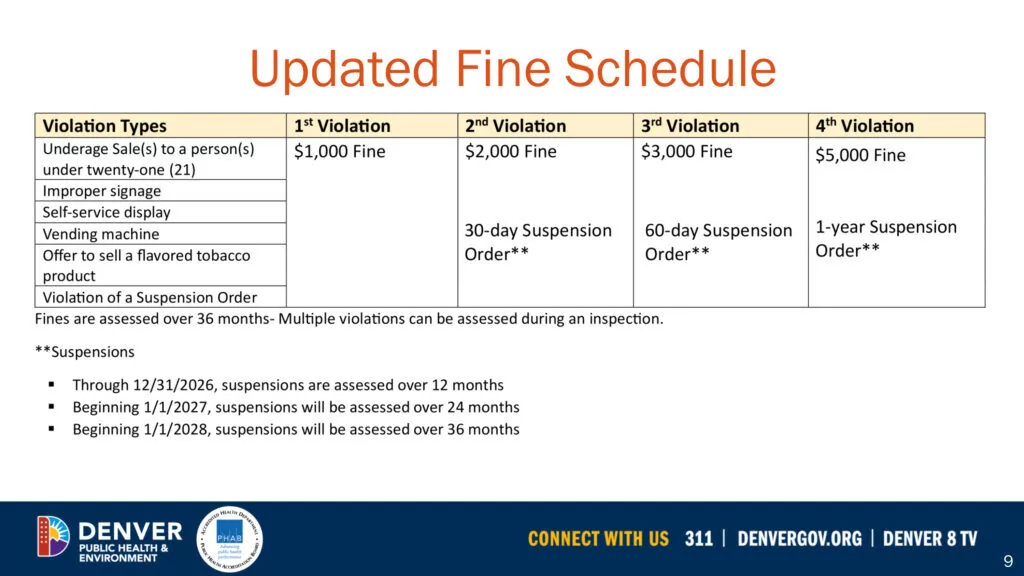
Retailers caught violating the ban face a graduated penalty structure designed to deter illegal sales:
| Violation Count | Penalty |
|---|---|
| First Offense | $1,000 Fine |
| Subsequent Offenses | Escalating fines up to $5,000 |
| Fourth Offense | One-year suspension of tobacco license |
Retailer Reaction and Economic Impact
The ban has sparked significant concern among local business owners. Phil Guerin, a vape store owner and president of the Rocky Mountain Smoke-Free Alliance, reported a 50% drop in revenue since the ban took effect. While he supports undercover checks to prevent underage sales, he argues that the flavor ban itself is misdirected, suggesting that youth access is primarily driven by online sellers on platforms like TikTok rather than compliant local shops.
Supporters, however, point to the economic burden of tobacco use, citing city documents that estimate flavored tobacco contributes to $2.2 billion in annual healthcare costs in Colorado. They maintain that sweet flavors are a primary driver of youth addiction and a gateway to substance abuse.

- Recycling Point, Bin, or Kitchen Drawer? What UK Vapers Actually Do With a Dead Device - September 30, 2026
- How Cannabis Operators Should Qualify a Vape Hardware Supplier - September 30, 2026
- From Distillate to Finished Pod: The Quality-Control Steps Behind a Premium CBD Vape - September 30, 2026
Related posts:
 Iowa Lawmakers Consider New Tax on Vaping Products
 Mississippi Becomes 11th State to Pass PMTA Registry Law, Restricting Vape Product Sales
 Iowa Delays Vaping Regulation Law Amid Lawsuit from Local Businesses
 Denver City Council Bans Sale of Flavored Vapes and Tobacco Products
 Alabama Laws Restrict Flavored Vapes and Smokable Hemp
 Florida: Coral Springs Eyes Extension of Vape Shop Moratorium

