New York Voters Reject Proposed 75% Nicotine Pouch Tax
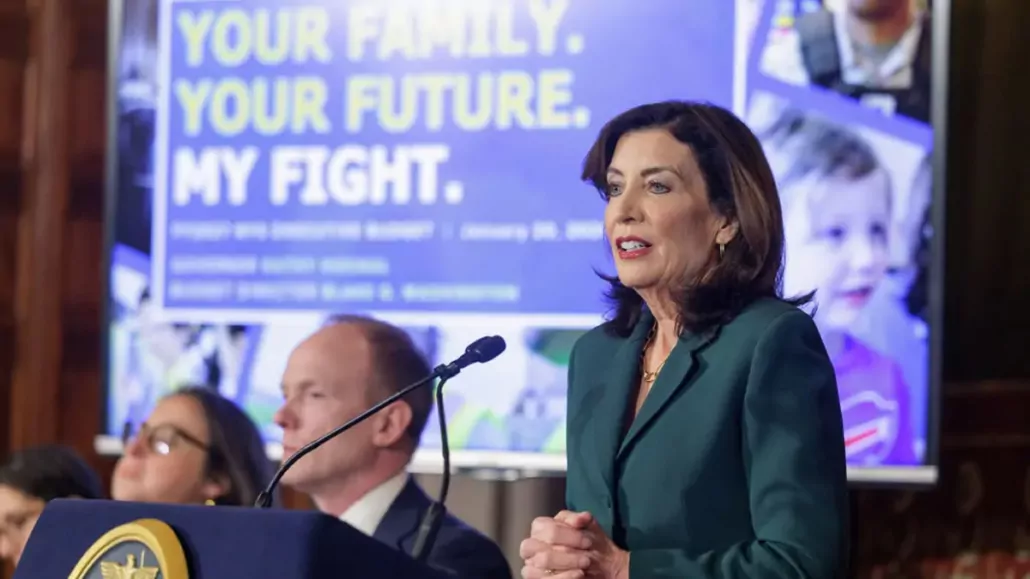
Gov. Kathy Hochul’s plan to tax tobacco-free nicotine pouches at the same rate as combustible cigarettes faces widespread opposition and warnings from public health advocates.
A recent Morning Consult poll reveals that less than half of New York voters support Governor Kathy Hochul’s proposal to levy a 75% wholesale tax on nicotine pouches like Zyn. Critics, including state lawmakers and harm reduction experts, warn that taxing safer, smoke-free alternatives at the same rate as deadly combustible cigarettes will discourage smoking cessation and ultimately harm public health.
The Unpopular Economics of the FY 2027 Budget
In January, New York Governor Kathy Hochul released her FY 2027 budget proposal, which included a controversial provision to subject nicotine pouches to the same 75 percent wholesale tax currently levied on combustible cigarettes. The administration projects this new duty will generate $18 million in FY 2027 and $44 million by FY 2028.
However, the proposal is facing severe public backlash. A Morning Consult poll (conducted Feb 11–15) found that less than 50 percent of New York voters support the tax. Furthermore, 37 percent of respondents explicitly stated that nicotine pouches should be taxed at a lower rate than cigarettes, reflecting a growing public understanding of tobacco harm reduction.
The “Distinction Without a Difference” Debate
The legislative debate has exposed a deep divide regarding the science of nicotine. State Budget Director Blake Washington defended the tax by claiming nicotine pouches and cigarettes are a “distinction without a difference” due to their shared addictive properties.
This logic has been heavily criticized by health science experts and some lawmakers. State Sen. Nathalia Fernandez (D–Bronx) publicly questioned the strategy: *”If we are making the safer product more expensive, is that actually helping the public?”* Nicotine pouches contain no tobacco, produce no smoke, and eliminate the risks of second-hand exposure, making them significantly less harmful than combustible tobacco.
Verdict: The Swedish Model vs. The Minnesota Mistake
The consequences of taxing harm reduction products are well-documented. In Sweden, the widespread adoption of oral nicotine products (snus and pouches) has driven smoking rates down to roughly 8.5 percent, resulting in the lowest lung cancer rate in Europe. Delon Human, leader of Smoke Free Sweden, attributes this success directly to “embracing and encouraging the use of alternative nicotine products.”
Conversely, punitive taxation has proven deadly. An analysis of Minnesota’s 95 percent tax on vapes estimated that the financial barrier prevented 32,400 smokers from quitting. In New York, where smoking remains the leading cause of preventable death—killing approximately 30,000 adults annually—making life-saving alternatives prohibitively expensive is not just politically unpopular; it is a profound public health risk.

- Indonesia: Denpasar Updates Smoke-Free Bylaw to Tighten Vape Rules - October 20, 2026
- Teen Girls Surpass Boys in Vaping Rates, Reversing Historic Trends - October 20, 2026
- Alabama: Irondale Proposes Public Vaping Ban with Fines Reaching $200 - October 20, 2026