
Philippines Hikes Cigarette & Vape Taxes for 2026: New Rates Explained
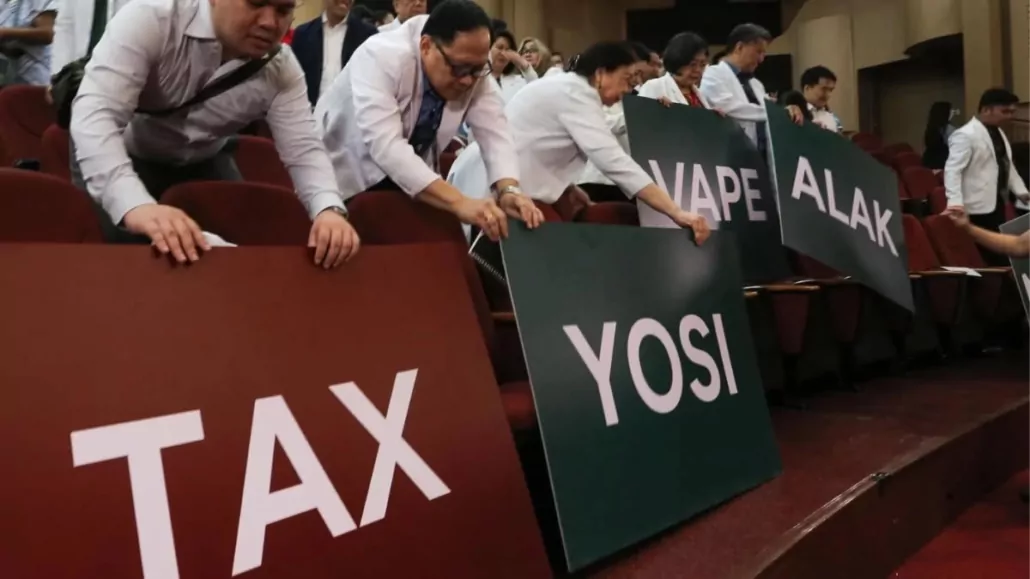
The 2026 excise tax adjustment in the Philippines will directly increase the retail prices of all tobacco and nicotine products. Mandated by Republic Acts 11346 and 11467, the specific tax on a pack of cigarettes has risen to ₱69.46, while heated tobacco products and vapor products also face significant hikes, aiming to boost state revenue and curb consumption.
Key Takeaways:
- Cigarette Hike: Tax per pack rises to ₱69.46 from ₱66.15.
- Vape Increase: Nicotine salt and freebase liquids now taxed at ₱60.20 per ml.
- HTP Adjustment: Heated tobacco products see tax climb to ₱37.63 per pack.
- Fiscal Impact: Sin tax collections jumped to ₱106 billion by Sept 2025.
The Bureau of Customs (BOC) has confirmed a fresh round of excise tax increases on tobacco and vapor products for 2026. This development occurs amidst a multi-year government effort to bolster state revenues and curb consumption of health-impacting commodities, directly resulting in higher prices for consumers and increased administrative challenges for revenue agencies.
New Tax Rates for Tobacco and Vapor Products
The Bureau of Customs (BOC) issued its first memorandum of the year confirming these adjustments, which are mandated by Republic Act (RA) No. 11467 and RA 11346. These laws established a predictable schedule for annual tax escalations through the middle of the decade.
The specific tax increases for 2026 are as follows:
| Product Category | 2025 Tax Rate | 2026 Tax Rate |
|---|---|---|
| Cigarettes (Pack of 20) | ₱66.15 | ₱69.46 |
| Heated Tobacco Products (HTPs) | ₱35.84 per pack | ₱37.63 per pack |
| Vapor Products (Nicotine Salt & Freebase) | ₱57.33 per ml | ₱60.20 per ml |
Public Health and Revenue Implications
These adjustments are part of a broader multi-year strategy to curb the consumption of health-impacting commodities while ensuring fiscal health. Health advocates, including the Sin Tax Coalition, have long urged for higher taxes to combat the rising use of tobacco and vapes among youth, which drives preventable diseases.
The financial impact is already evident. Data from the Bureau of Internal Revenue (BIR) shows that collections from sin products reached ₱106 billion through September 2025, a significant jump from the ₱84 billion collected during the same period in 2024. This increase reflects both the higher tax rates and more rigorous enforcement across the tobacco and vapor sectors.
Despite these gains, the BOC admitted to technical challenges, noting that its digital infrastructure still requires manual computation for complex ad valorem taxes on certain products like cigars. Nevertheless, the government remains committed to these tax measures as a primary driver of both public health policy and state revenue generation.

- Mexico Passes Stricter Tobacco Law as Experts Warn of Cartel Trade - October 9, 2026
- FDA Tobacco Review Delays Threaten Public Health, GAO Report Reveals - October 9, 2026
- USA Northeast Vape Laws in 2026: State Taxes & Flavor Bans - October 9, 2026
Related posts:
 US Tobacco & Vape Law Roundup: State Actions in August 2025
 Kenya Implements Ban on All Tobacco and Nicotine Imports
 UK Disposable Vape Ban: Your Essential Guide to the New Rules, Penalties & Travel
 Geek Bar Digiflavor BRK 20K Disposable Vape Pod Kit Review
 Pregnant Women Advised to Avoid Mentholated E-Cigarettes Due to Potential Risks to Developing Baby

