
Singapore’s Illegal Vape Market Hits $10.4M in Revenue
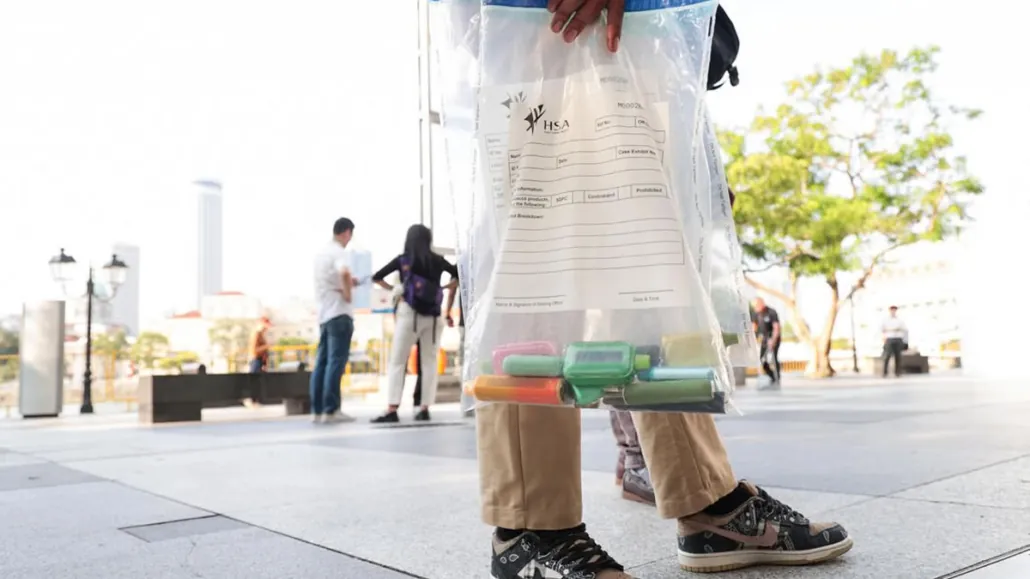
The EU-ASEAN Business Council (EU-ABC) and Euromonitor International have reported that Singapore’s illegal vaping market will generate an estimated $10.4 million between 2024 and 2025. This illicit trade, driven by lower prices and interconnected regional routes, is severely undermining government tax revenues across Southeast Asia.
According to EU-ABC executive director Chris Humphrey, the scale of illicit trade in the ASEAN region is vastly underestimated and growing at an “alarming pace.” He warned that unchecked illicit trade poses severe economic, public health, and security challenges that could threaten the broader ASEAN economy.
The report highlights a stark contrast in how the illicit tobacco and vape markets operate across neighboring countries, with Malaysia and Singapore serving as primary distribution hubs for products manufactured in Indonesia, Cambodia, and China.
| Region / Country | Estimated Vape Revenue (2025) | Illicit Cigarette Incidence | Total Est. Tax Loss |
|---|---|---|---|
| Singapore | $10.4 million (2024-2025) | Below 6% | $156 million |
| Malaysia | $475 million | 57% (Highest in region) | Not specified individually |
| ASEAN (6 Countries) | N/A | N/A | $16.6 billion |
Despite Singapore banning vaping in 2018 and recently introducing harsher penalties, enforcement remains complicated by sophisticated smuggling operations. Syndicates frequently exploit free trade zones (FTZs) and utilize small fishing vessels to bypass regulatory scrutiny.
A notable interception occurred in July 2025, when Malaysian Customs at Port Klang seized approximately 300,000 vapes and components originating from China. The shipment, falsely declared as furniture, was believed to be destined for Singapore.
Furthermore, the digital landscape presents a significant hurdle for authorities. Firdaus Muhamad, head of consulting for Asia-Pacific at Euromonitor International, noted that uncovering syndicate masterminds is incredibly difficult due to the use of encrypted platforms.
Because online sales are highly decentralized, illegal sellers can rapidly switch between e-commerce platforms, communication channels, and delivery networks to evade detection and maintain their supply chains.

- Indonesia: Denpasar Updates Smoke-Free Bylaw to Tighten Vape Rules - October 20, 2026
- Teen Girls Surpass Boys in Vaping Rates, Reversing Historic Trends - October 20, 2026
- Alabama: Irondale Proposes Public Vaping Ban with Fines Reaching $200 - October 20, 2026
Related posts:
 Arkansas Cracks Down on Delta-8, THC Vape Products
 UK Cracks Down on Illegal Vapes & Tobacco in High Street Raids
 St. Petersburg Legislators Demand Stricter Vape Packaging Regulations, Call for Complete Ban
 Singapore Vaping Crackdown Intensifies Amid Ban Debate
 Synthetic Nicotine E-Cigarettes: A Regulatory Blind Spot in South Korea
 CSNA Confirms Overhaul of Tobacco Licensing Fees and Retail Margins in Ireland

