
South Carolina Enacts New Vape Tax While Slashing Heated Tobacco Rates
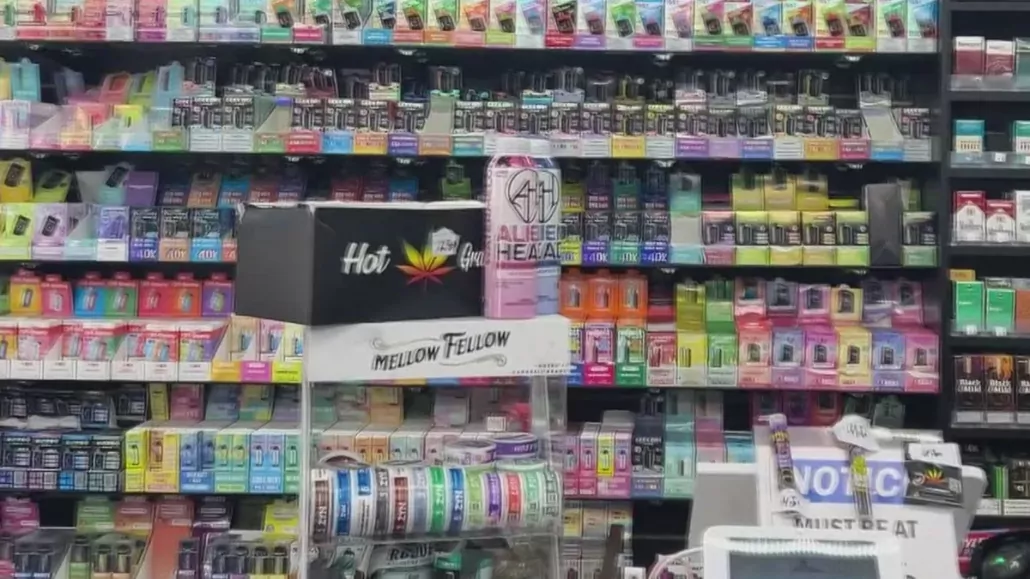
South Carolina Governor Henry McMaster has signed a law establishing a new tax on vapor products starting October 1, directing the revenue to the state’s Medicaid program. This legislative shift addresses a massive funding gap caused by declining cigarette sales, while controversially cutting taxes in half for upcoming “heat-not-burn” electronic tobacco devices.
For nearly two decades, vapor products in South Carolina have escaped vice taxes, subject only to standard sales tax. However, as younger demographics increasingly pivot to vapes, lawmakers decided to intervene. The new 5-cent-per-milliliter tax is projected to bring in $14 million annually for the state’s Medicaid Reserve Fund.
This new revenue stream is desperately needed. A 2010 state law successfully deterred smoking by raising cigarette taxes to 57 cents per pack, but this public health victory came with a fiscal cost. Cigarette tax collections earmarked for Medicaid plummeted from $109 million to $77 million over the last five years, leaving the state struggling to cover escalating healthcare costs.
| Product Type | New Tax Rate (Effective Oct 1) | Projected Annual Revenue | Primary Funding Recipient |
|---|---|---|---|
| Vapor Products (E-liquids) | 5 cents per milliliter | $14 Million | Medicaid Reserve Fund |
| Heated Tobacco (Heat-not-burn) | 28.5 cents per pack (50% cut) | $7 Million (upon market entry) | Medicaid Reserve Fund |
| Traditional Cigarettes | 57 cents per pack (unchanged) | $77 Million (FY 2025-26 est.) | Medicaid, Cancer Research, Smoking Cessation |
The law also slashes the tax on heated tobacco products – such as Philip Morris’s IQOS device – to 28.5 cents per pack. Proponents argue these battery-operated devices, which heat processed tobacco instead of burning it, release fewer toxins and present a modified risk. The tax break is designed to prepare the state for their anticipated market re-entry following previous patent disputes.
However, health advocates and the CDC warn that these devices are not risk-free. While the FDA allows companies to market heated tobacco as reducing exposure to harmful chemicals, it does not certify them as reducing the risk of tobacco-related diseases. Critics like Senate Minority Leader Brad Hutto emphasize that all nicotine products carry health risks, justifying their role in funding state healthcare systems.

- Mexico Passes Stricter Tobacco Law as Experts Warn of Cartel Trade - October 9, 2026
- FDA Tobacco Review Delays Threaten Public Health, GAO Report Reveals - October 9, 2026
- USA Northeast Vape Laws in 2026: State Taxes & Flavor Bans - October 9, 2026
Related posts:
 Why Airplanes Still Have Ashtrays When Smoking Is Banned?
 New Jersey Enforces Beach Vape Ban Despite FDA Fruit Flavor Approval
 Chinese Vape Tariff Hits 79% as U.S.-China Trade War Escalates
 Vaping Laws in South Carolina’s : A Comprehensive Guide 2025
 Florida Bill to Restrict Vape Sales to FDA Approved Products

