
South Korea Faces New “Nicotine Analog” Threat Amid Vape Law Changes
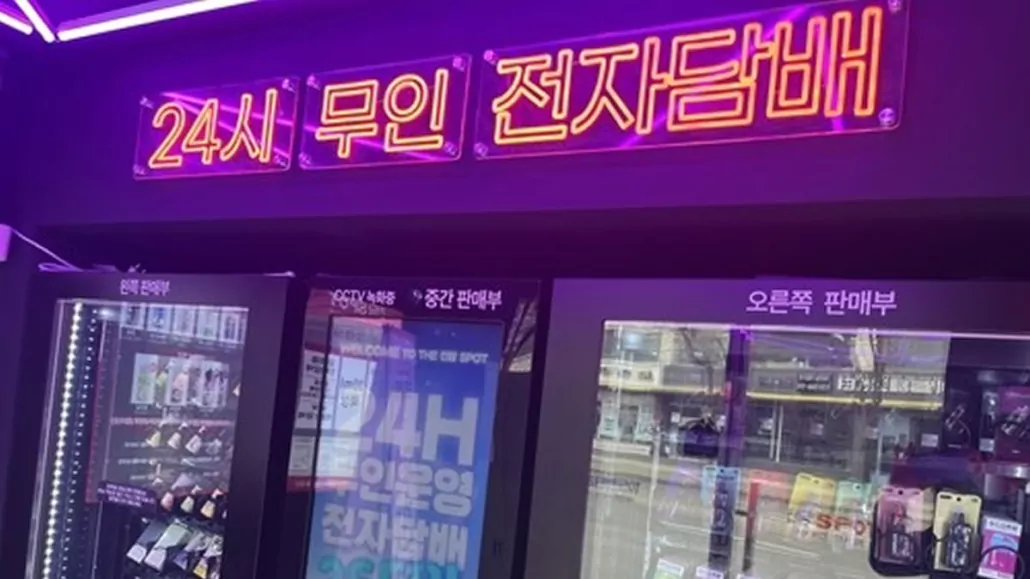
As South Korea tightens its grip on tobacco with a new bill to regulate synthetic nicotine passing the National Assembly’s Legislation and Judiciary Committee, a new challenge has emerged: “nicotine analogs.” These chemical substances, chemically similar to nicotine but legally distinct due to slight molecular modifications, are rapidly expanding in the market, exploiting regulatory loopholes.
Products containing substances like 6-methyl nicotine, a potent analog, are often marketed deceptively as “nicotine-free,” misleading consumers and attracting youth. Despite being chemically distinct enough to bypass current “tobacco” definitions, these analogs can mimic nicotine’s effects, sometimes with even greater potency. Experts warn of significant health risks; early toxicological analysis suggests potential damage to human bronchial epithelial cells and increased oxidative stress, raising concerns about respiratory safety and carcinogenic potential.
While the new amendment to the Tobacco Business Act aims to close gaps by regulating synthetic nicotine, experts like Shin Ho-sang of the International Characteristic Analysis Institute argue that analogs remain in a “blind spot.” With reports of these substances being more addictive and often paired with intense sweeteners or cooling agents to hook users, public health advocates and medical professionals are calling for a more comprehensive regulatory system. They urge proactive safety verification and management by government bodies like the Ministry of Food and Drug Safety to cover all inhalable substances, not just those strictly defined as tobacco.
- News source: 뛰는 규제 위에 나는 담배업체…‘유사 니코틴’ 활개 [건강한겨레]

- Indonesia: Denpasar Updates Smoke-Free Bylaw to Tighten Vape Rules - October 20, 2026
- Teen Girls Surpass Boys in Vaping Rates, Reversing Historic Trends - October 20, 2026
- Alabama: Irondale Proposes Public Vaping Ban with Fines Reaching $200 - October 20, 2026
Related posts:
 Hyola Ultra 30K Prefilled Pod Kit Review: 30,000 Puffs Tested
 South Korea Urges Taxation of Synthetic Nicotine E-Cigarettes
 24 UK Shopkeepers Plead for Talks Over ‘Suffocating’ Tobacco and Vapes Bill
 Singapore Deploys Over 10,000 Officers to Tackle Vaping Crisis
 South Korea’s Synthetic Nicotine Regulation Leaves E-Cigarette Industry Anxious
 South Korea to Regulate Synthetic Nicotine as Tobacco Product

