
South Korea’s Expanded Tobacco Law Force Vape Shops to Close
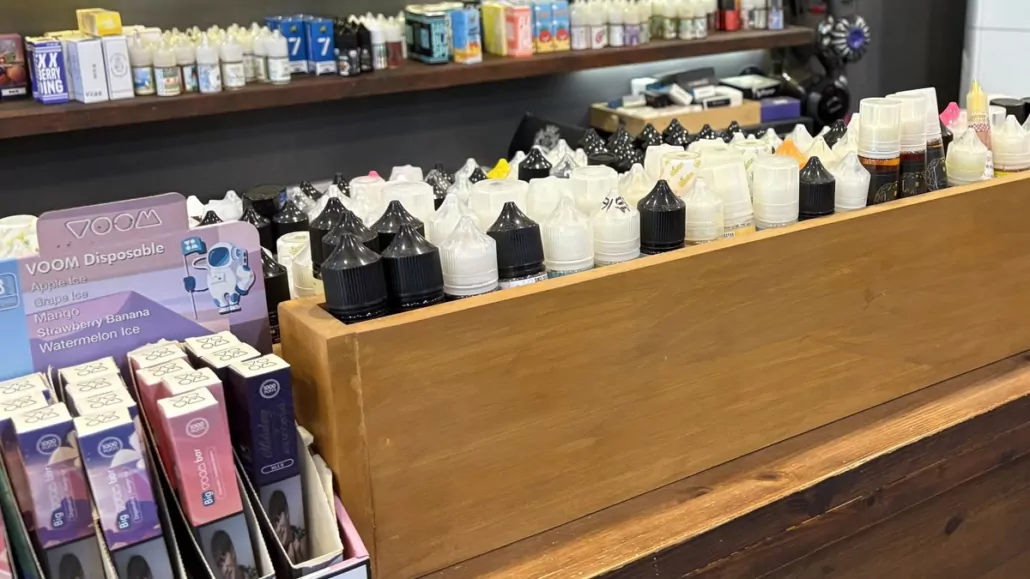
The South Korean liquid e-cigarette industry is bracing for a direct blow as the revised Tobacco Business Act takes effect on January 24. This development occurs amidst a rapid expansion of the previously unregulated synthetic nicotine market, directly resulting in widespread fears of mass store closures as retailers struggle to meet new, stringent licensing requirements.
Closing the Regulatory Gray Zone
For years, liquid e-cigarettes utilizing synthetic nicotine operated in a regulatory blind spot in South Korea. Because they were not legally classified as tobacco, shops could open without a designated tobacco retailer license, and online sales and promotions flourished unchecked. This lack of oversight allowed the market to boom; one wholesaler reported a nearly sevenfold increase in registered retail members, from about 300 in 2018 to over 2,000 recently.
The revised law fundamentally changes this landscape by expanding the legal definition of tobacco to encompass all nicotine-based products, including synthetic nicotine e-liquids. Consequently, these products and their sellers are now subject to the same strict government supervision as conventional cigarettes.
The Struggle for Retailer Designation
The primary crisis for existing vape shops is the new requirement to obtain official tobacco retailer designation. Industry sources indicate this is a formidable challenge.
| The Challenge | Government Mitigation | Industry Reality |
|---|---|---|
| Dense Existing Networks | Offering a two-year grace period on distance restrictions between sellers. | Convenience stores already saturate the market, making new designations extremely difficult to secure. |
An official from the Korea E-Cigarette Industry Association stated, “The existing sales network is so densely established that obtaining retailer designation itself is not easy. Many stores may close because they cannot be incorporated into the regulatory system.”
Closures Already Underway and the “Balloon Effect”
The impact is already being felt on the ground. Long-time shop owners, like Mr. Kim in Seoul’s Yeongdeungpo-gu district, are choosing to close their doors rather than navigate the difficult new registration standards. Data from the Seoul Metropolitan Government reflects this chilling effect, showing a significant drop in tobacco retail license applications from 1,391 in 2024 to just 995 last year.
Furthermore, industry observers warn of a potential “balloon effect.” As regulations tighten on nicotine products, demand and exaggerated advertising may simply shift towards nicotine-free or nicotine-substitute products, which currently remain outside this new regulatory framework.
- Read more: Seoul Clamps Down: Vapes Now Fined in No-Smoking Zones
- Reference: Vape Shops Face Closures as Korea Expands Tobacco Regulations

- Indonesia: Denpasar Updates Smoke-Free Bylaw to Tighten Vape Rules - October 20, 2026
- Teen Girls Surpass Boys in Vaping Rates, Reversing Historic Trends - October 20, 2026
- Alabama: Irondale Proposes Public Vaping Ban with Fines Reaching $200 - October 20, 2026
Related posts:
 Study Reveals Vaping Around Children Exposes Them to Significantly Less Nicotine Than Secondhand Smoking
 2024 Guide How to Choose the Best Disposable Vape
 California: Orange County Consider Vape Shop Buffer Zones
 California and Denver Ban Flavored Nicotine Analog Products
 The Death of the American Vape Shop: An American Tragedy

