Why Are Generational Smoking Bans So Hard to Enact?
Public health researchers and lawmakers are increasingly pushing for “tobacco-free generation” policies. This development occurs amidst a staggering ongoing death toll from smoking, directly resulting in fierce legislative battles where public health goals clash with tobacco industry lobbying and arguments over personal autonomy.
The Staggering Reality of the Smoking Epidemic
Smoking is exceptionally dangerous. More people in the United States die every year from smoking than from alcohol, illegal drug use, car accidents, suicides, and murders combined. It is the leading preventable cause of death and disease worldwide. Beyond the human cost, cigarette smoking drains an estimated US$240 billion annually in healthcare costs, burdening smokers, nonsmokers, and the broader economy.
While the U.S. smoking rate has plummeted from 41% in 1944 to 11% in 2024—largely due to historical bans on advertising, flavored cigarettes, and raising the purchase age to 21—over 25 million Americans remain addicted.
The “Tobacco-Free Generation” Concept
A potentially transformative idea aims to build on past successes: creating a tobacco-free generation. This policy phases out smoking by permanently banning the sale of tobacco to anyone born after a specific date (e.g., Jan. 1, 2000). Crucially, it focuses on restricting sales, not criminalizing use, meaning current adult smokers are unaffected.
Brookline, Massachusetts, pioneered this in the U.S. in 2021, and the model has since spread to 22 other Massachusetts towns. As of early 2026, states like Hawaii and Massachusetts are considering statewide bills, while the Maldives enacted the first countrywide ban in 2025. However, the path is fraught; New Zealand repealed its ban in 2024, and the U.K. is currently reconsidering a previously scrapped bill.
Obstacle 1: Underestimating the Harm
A primary obstacle to these bans is public perception. It is difficult for individuals to conceptualize that 480,000 Americans die annually from smoking, or that each cigarette shortens a life by 20 minutes. Psychological scientists note an “optimistic bias” where smokers believe others are more likely to suffer premature death.
This underestimation is fueled by several factors:
- Decades of Industry Misinformation: Tobacco companies historically claimed cigarettes were safe, despite knowing otherwise since the 1950s.
- Media Glamorization: Fully half of the top films released in 2024 still showed tobacco imagery, which research links to increased youth initiation.
- Delayed Consequences: Unlike drug overdoses, the fatal consequences of smoking (like heart disease or cancer) often take decades to manifest, making the threat feel less immediate.
Obstacle 2: The “Freedom of Choice” Argument
Opponents frequently argue that generational bans infringe on personal autonomy and that governments shouldn’t dictate lifestyle choices. However, public health policies routinely restrict individual freedoms when a behavior harms others.
Smoking is not an isolated choice. It harms innocent bystanders through secondhand smoke (especially children) and inflates healthcare costs for the entire population. Generational bans attempt to balance the rights of current adult smokers with the massive public health benefit of eventually ending the epidemic.
Obstacle 3: Tobacco Industry Tactics
The tobacco industry’s efforts to undermine health policies follow a predictable pattern. When the U.K. considered a generational ban, industry supporters argued that smoking was a minor issue, emphasized personal responsibility, and warned of a booming black market.
| Industry Argument | Public Health Reality |
|---|---|
| Youth can make informed choices. | Adolescents hold optimistic, inaccurate beliefs about nicotine addictiveness and their ability to quit. |
| Vapes are just for harm reduction. | The industry actively markets vapes to youth to create a new generation of nicotine users. |
| Bans will only fuel illicit markets. | While illegal sales exist, comprehensive bans significantly reduce overall access and normalization. |
A 2025 study of Belgian politicians revealed that many echoed these industry talking points, valuing “informed individual choice” over protecting children, despite evidence that adolescents lack the capacity to make truly informed choices about highly addictive substances.
Not a Silver Bullet, But a Crucial Step
Generational bans are not a standalone cure. Determined youth will still find ways to obtain cigarettes illegally. Therefore, these policies work best alongside other proven measures:
- Plain packaging and high taxation.
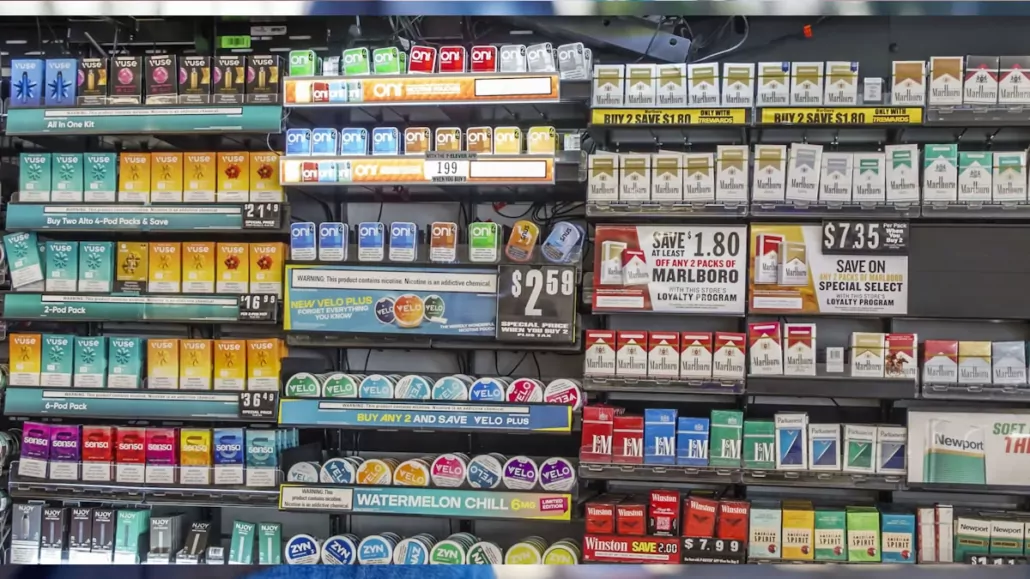
- Comprehensive bans on advertising, displays, and flavored products.
- Robust smoking cessation support.
Despite the challenges, health experts and organizations like the American Heart Association argue that creating a tobacco-free generation is a vital step toward drastically reducing preventable deaths and securing a healthier future.

- Indonesia: Denpasar Updates Smoke-Free Bylaw to Tighten Vape Rules - October 20, 2026
- Teen Girls Surpass Boys in Vaping Rates, Reversing Historic Trends - October 20, 2026
- Alabama: Irondale Proposes Public Vaping Ban with Fines Reaching $200 - October 20, 2026