
Trump Signs Bill to Recriminalize Hemp: 1-Year Countdown Begins
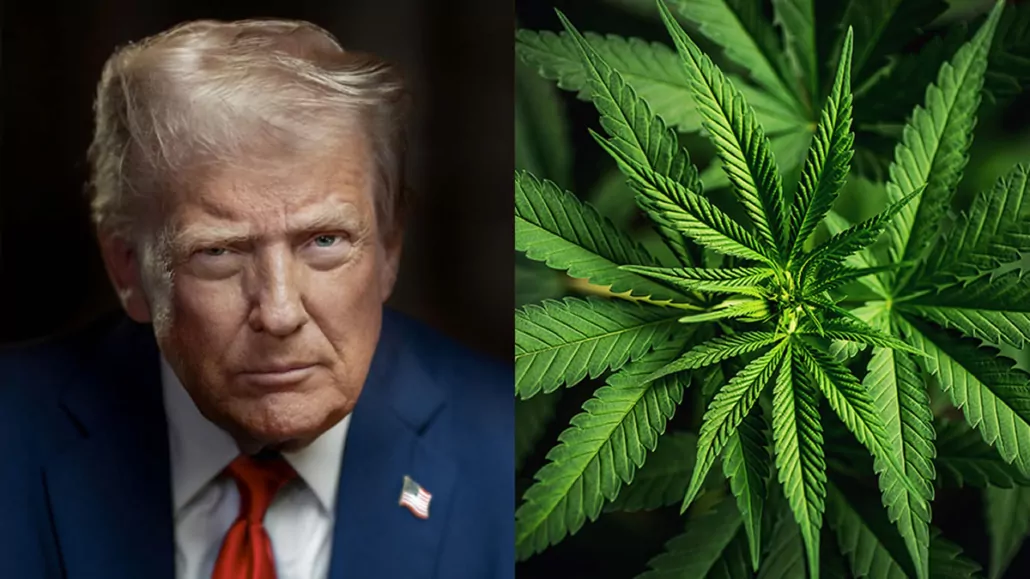
The new federal spending bill signed by President Trump sets a one-year countdown to recriminalize most hemp-derived products. By November 2026, products exceeding 0.4 milligrams of total THC per container—including many CBD oils, gummies, and vapes—will be classified as illegal marijuana, effectively banning the current consumable hemp market unless Congress intervenes.
Key Takeaways:
- Total THC Limit: A strict cap of 0.4mg total THC per container (not serving) applies.
- Broad Ban: Synthetics and intermediate products sold to consumers are prohibited.
- One-Year Window: The ban takes effect one year after enactment, giving the industry time to lobby.
- Industry Impact: Over 95% of current hemp products could be eliminated.
Hemp recriminalization refers to the legislative reversal of the 2018 Farm Bill‘s legalization framework, reclassifying most hemp-derived cannabinoid products as illegal Schedule I substances under federal law. President Donald Trump has signed a spending package that ends the government shutdown but simultaneously initiates a countdown to prohibition for a multi-billion dollar industry.
What Congress Just Recriminalized: The “Total THC” Standard
The legislation contains a sweeping rewrite of the legal definition of hemp, closing what proponents call the “hemp loophole.” The new rules are stringent:
- Total THC Cap: Any product exceeding 0.4 milligrams of total THC per container becomes illegal. This counts delta-9, delta-8, THCA, and other isomers.
- Synthetic Ban: Any cannabinoid synthesized or manufactured outside the plant is prohibited.
- Natural Restriction: Cannabinoids not naturally capable of being produced by Cannabis sativa L. are banned.
- Intermediate Products: Sale of intermediate hemp products directly to consumers is forbidden.
This framework effectively eliminates most tinctures, gummies, seltzers, vapes, and even many full-spectrum CBD products that emerged post-2018. Legal hemp will retreat to a narrow definition suitable mainly for industrial fiber and grain.
The 365-Day Window: A Race Against Time
Federal prohibition does not return overnight. Congress included a one-year delay between the bill’s signature and enforcement. This creates a critical window for the industry.
| Stakeholder | Immediate Challenges & Questions |
|---|---|
| Businesses | Will Section 280E tax penalties apply? Will loans trigger default clauses? |
| States | Can regulated markets continue licensing? Do “trigger laws” activate early? |
| Banks | Will financial institutions exit the sector immediately to avoid risk? |
According to legal analysis, states like Alabama and Arkansas have statutes that may automatically adopt these new federal definitions, potentially locking businesses out of their own markets even before the federal deadline.
Political Fallout: The Kentucky Civil War
The bill has exposed deep divides, particularly among Kentucky Republicans who shaped the modern hemp era.
- Senator Mitch McConnell: Supported the new limits, arguing the 2018 Farm Bill was never intended to create a market for psychoactive intoxicating products.
- Senator Rand Paul: Fought the ban, warning it would devastate the sector. His amendment to remove the clause failed, despite support from 22 Democrats and Senator Ted Cruz.
In the House, Rep. Andy Harris (R-MD) championed the prohibition as a necessary step to protect children from unregulated products sold in gas stations. Conversely, the U.S. Hemp Roundtable issued a scathing statement, warning the bill will ban over 95% of hemp extract products and eliminate a sector built by small farms.
What Happens Next?
The government is funded through January 30, 2026, but the clock is ticking for hemp.
- FDA Deadline: Within 90 days, the FDA must publish a list of natural cannabinoids and THC-class compounds.
- Industry Strategy: Advocates plan to use the 365-day window to push for alternative legislation, such as Rep. Morgan Griffith’s bill for product standards rather than prohibition.
- Enforcement Date: The provisions become enforceable on November 13, 2026.
As the shutdown ends, the real fight over the future of hemp has just begun. Operators must now decide whether to reformulate, restructure, or prepare for potential entry into state-regulated cannabis markets.

- Recycling Point, Bin, or Kitchen Drawer? What UK Vapers Actually Do With a Dead Device - September 30, 2026
- How Cannabis Operators Should Qualify a Vape Hardware Supplier - September 30, 2026
- From Distillate to Finished Pod: The Quality-Control Steps Behind a Premium CBD Vape - September 30, 2026
Related posts:
 UAE Legalizes Medical Industrial Hemp & CBD Use
 New Jersey Introduces Bill to Raise Vape by Mail Age Limit to 21
 Mexico Plans to Set Vape Ban in the Country’s Constitution
 Japan Updates World’s Strictest THC Limits in CBD Products
 Canadian Anti-Smoking Groups Urge to Ban Flavored Vapes
 Hemp vs. Cannabis: What’s the Difference? (Uses & Legality)

