
Denmark’s Flavor Ban: A Case of Failed Public Health Policy
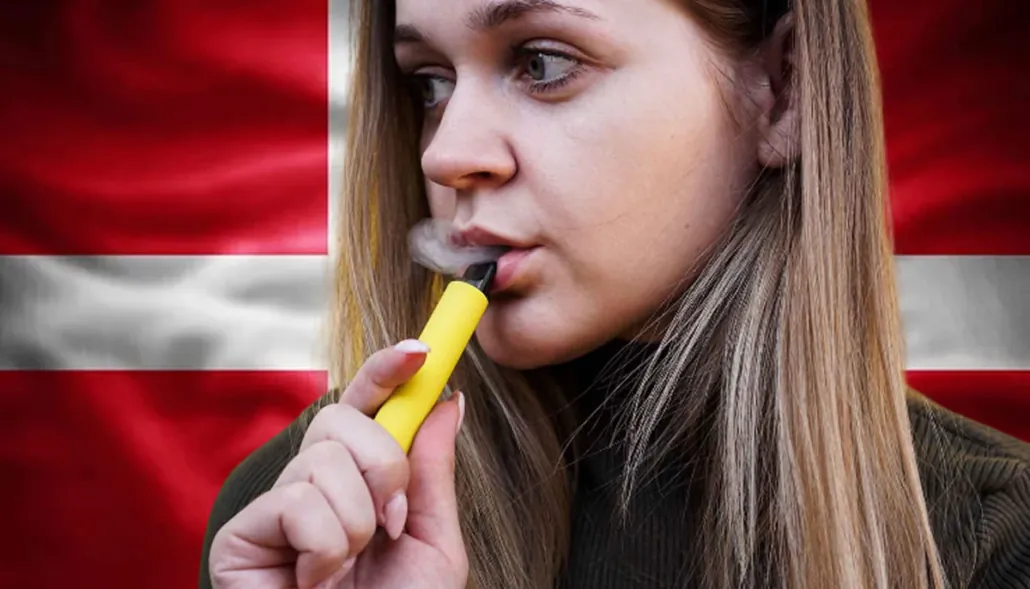
When public health policy is driven by good intentions but ignores evidence and human behavior, the results are often counterproductive. The 2022 Danish ban on e-cigarette flavors is a stark cautionary tale for governments worldwide. Marketed as a decisive measure to protect youth, the policy has not only failed to achieve its primary goal but has actively compromised consumer safety, demonstrating a fundamental misunderstanding of tobacco harm reduction.
The Flawed Premise: Ignoring the Role of Flavors for Adults
The policy was built on a simplistic and ultimately incorrect assumption: that flavors are solely for attracting young people. This narrative completely overlooks the critical role flavors play in helping adult smokers transition away from deadly combustible cigarettes. For millions of adults, flavors like fruit and dessert are essential for breaking the psychological bond with the taste of tobacco. By eliminating these options, the Danish government removed a key pillar of the harm reduction strategy, making it harder for smokers to switch and stay switched to a less harmful alternative.
The Predictable Consequences: A Thriving Black Market
The most damaging and predictable outcome of the flavor ban was the immediate explosion of an unregulated black market. Prohibition does not eliminate demand; it simply drives it underground. Consumers who previously purchased tested, regulated products from legitimate retailers were forced to turn to illicit sources. This new black market operates with zero oversight, flooding the country with products that have:
- No ingredient transparency: Users have no idea what substances they are inhaling.
- No quality control: Products are not subject to any manufacturing or safety standards.
- No age verification: Illicit sellers are far less likely to prevent sales to minors than licensed retailers.
Ironically, a policy designed to enhance safety has created a far more dangerous environment. It has replaced a regulated system with chaos, directly undermining public health.
The Data Doesn’t Lie: A Policy Backfire
The policy’s failure is not just theoretical; it is confirmed by real-world data. In the wake of the ban, reports indicate that while traditional smoking saw only a minor dip, vaping among young adults—the very group the law was meant to protect—actually increased. This demonstrates that the allure of nicotine is not erased by removing flavors. Instead, the ban may have added a “forbidden fruit” appeal, while simultaneously pushing users toward unknown and potentially hazardous products. The Danish experiment provides a clear lesson: effective policy must be based on evidence and harm reduction principles, not on a moralistic prohibition that ultimately backfires.

- Indonesia: Denpasar Updates Smoke-Free Bylaw to Tighten Vape Rules - October 20, 2026
- Teen Girls Surpass Boys in Vaping Rates, Reversing Historic Trends - October 20, 2026
- Alabama: Irondale Proposes Public Vaping Ban with Fines Reaching $200 - October 20, 2026
Related posts:
 UK Disposable Vape Ban Sparks Black Market Fears
 Hawaii Implements 70% Wholesale Tax on Vaping Products
 Spain Celebrates Historic Decline in Tobacco Consumption
 Casey Costello’s Independent Advice on Heated Tobacco Scrutinized
 Florida Judge Allows Key Claims in Zyn Lawsuits Over Deceptive Marketing
 UK Has 4.7 Million Adult Vapers in 2023, ASH Research Shows

