
UK Proposes Plain Vape Packaging and Color Restrictions
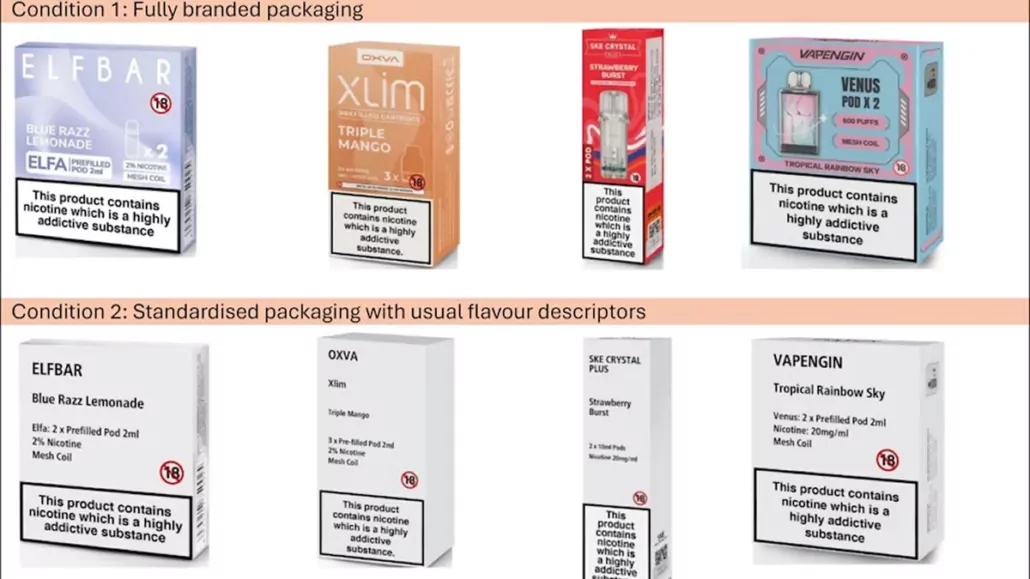
The UK Department of Health and Social Care has initiated a 12-week consultation on proposals to restrict how vapes are marketed and sold. This UK-wide effort aims to make vaping less attractive to children and teenagers, following data showing that nearly one in five (19%) minors aged 11 to 17 in Britain have tried vaping.
Health Secretary James Murray stated that the consultation is designed to address the colorful packaging and child-targeted names currently used by some manufacturers. While health officials acknowledge that vaping serves as a tool to help adult smokers quit, they emphasize the necessity of preventing non-smoking youth from starting the habit.
Proposed Marketing and Display Restrictions
The proposed regulations target the visual appeal and accessibility of e-cigarettes in retail environments. By removing bright colors and enticing names, ministers hope to reduce peer interest among youth.
| Product Feature | Current Status | Proposed Regulation |
|---|---|---|
| Device Colors | Unlimited bright colors and patterns | Restricted to white, black, or grey only |
| Packaging | Branded, colorful, cartoon-style graphics | Standardized plain white packaging with basic text |
| Flavor Names | Sweets, desserts, and alcohol-themed names | Simple descriptive names only (e.g., “apple”) |
| In-Store Display | Visible on counters and shelves | Kept out of sight and hidden from public view |
The proposed shift to standardized packaging follows the model implemented for traditional cigarettes in 2017. Additionally, the consultation outlines plans to introduce informational inserts in cigarette packs to help smokers quit, and to extend plain packaging rules to all tobacco products, including cigars and rolling papers. Duty-free shops and airports would also lose their exemptions to display tobacco products openly.
Research and Public Health Perspectives
Data supports the idea that plain packaging deters youth without affecting adult smokers who use vapes to quit. A study led by University College London (UCL) and King’s College London examined the responses of 2,770 youth (aged 11 to 18) and nearly 4,000 adults to different vape packaging.
The study, published in The Lancet Regional Health Europe, found that 53% of youth believed their peers would want to try vapes in branded packaging. This number fell to 38% when they were shown standardized plain packaging. Crucially, adult interest in vaping products remained unchanged regardless of whether the packaging was branded or plain.
England’s Chief Medical Officer, Professor Sir Chris Whitty, has previously called the marketing of vapes to children “utterly unacceptable.” Health leaders across the UK devolved administrations have echoed this stance.
Scotland’s Public Health Minister Maree Todd, Northern Ireland’s Health Minister Mike Nesbitt, and Wales’ Deputy Minister Nerys Evans have all urged the public to participate in the consultation. They argue that bright colors, cartoon branding, and sweet-sounding flavors are deliberately designed to attract children to addictive nicotine products.
Hazel Cheeseman, chief executive of the charity Action on Smoking and Health (Ash), noted that regulators must strike a careful balance. While vapes carry health risks, they remain far less harmful than smoking and have assisted millions of adults in quitting tobacco. The proposed rules aim to preserve this utility for adults while shielding the younger generation from targeted marketing.

- Indonesia: Denpasar Updates Smoke-Free Bylaw to Tighten Vape Rules - October 20, 2026
- Teen Girls Surpass Boys in Vaping Rates, Reversing Historic Trends - October 20, 2026
- Alabama: Irondale Proposes Public Vaping Ban with Fines Reaching $200 - October 20, 2026
Related posts:
 SNP Pledges to Ban Vape Displays in Scottish Shops if Re-elected
 South Korea to Tax E-Cigarettes with New Nicotine Law
 EU Parliament Committee Demands Lower Taxes on Vapes and Tobacco
 How Do You Obtain Vape Certification for Global Markets in 2026?
 Oregon Passes Bill to Ban Online Sales of Vaping Products

