
Vaping and Pregnancy: What You Need to Know

Expectant mothers often face a mountain of advice regarding what to eat, how to sleep, and which habits to change. While the dangers of traditional cigarettes are well documented, many people view electronic cigarettes as a safer alternative. This perception leads some to continue the habit during their pregnancy journey.
Understanding the specific risks involves looking at how these devices function and what they deliver to a developing fetus. Even without the smoke found in tobacco, the chemicals involved can create significant health hurdles. Modern research continues to shed light on how these substances impact maternal and fetal well-being.
The Rising Prevalence Of Vaping During Pregnancy
Recent data suggest that a growing number of expectant women are turning to electronic nicotine delivery systems. In a 2021 review, it was found that ~3.6% of women used ENDS while pregnant. This statistic highlights a shift in how nicotine is consumed in modern times.
Many users believe that removing tobacco smoke makes the process harmless for their babies. This misunderstanding can lead to continued use throughout all three trimesters. Healthcare providers are now seeing more patients who require education on the specific mechanics of vaping.
Public health officials are working to track these trends more closely to provide better support. Identifying the reasons why women choose these products helps in creating better cessation programs. Education remains the most effective tool for reducing these numbers in the long term.
Comparing E-Cigarettes To Traditional Smoking Risks
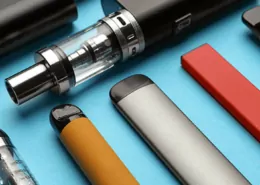
The primary difference between these two methods is the absence of combustion in electronic devices. People often assume that the lack of fire and smoke means there are no toxic byproducts involved. Recent studies estimate up to 15% of pregnant women use e-cigarettes, which function by heating a base liquid containing nicotine and flavoring.
Nicotine itself remains a powerful chemical that affects the body regardless of how it is inhaled. It travels through the lungs and enters the bloodstream almost instantly. While it might seem like a cleaner option, the core stimulant remains a threat to fetal development.
Medical experts warn against viewing vaping as a safe bridge to quitting. Replacing one source of nicotine with another does not remove the underlying risks to the pregnancy. Both methods carry heavy consequences that can affect a child for many years.
Understanding Nicotine Delivery And Fetal Health
When a mother inhales from a vape, the nicotine does not stay confined to her system. It passes through the placenta and reaches the baby in a very direct way. This exposure occurs during critical windows of organ and brain development.
Expectant parents should know that nicotine can constrict blood vessels and reduce the flow of oxygen. Avoiding birth-related nerve injuries is a priority for medical teams, and maintaining a healthy blood supply is part of that goal. This ensures the baby receives the nutrients required to grow strong and healthy.
Long-term studies suggest that early exposure to stimulants can lead to behavioral issues later in life. The brain is particularly sensitive to chemical changes during the first few months of growth. Keeping the environment inside the womb stable is the best way to support a child’s future.

Hidden Chemicals In Electronic Liquids
The liquid used in these devices is often a mixture of various industrial chemicals. Beyond nicotine, these liquids contain solvents like propylene glycol or vegetable glycerin. Manufacturers add flavorings to make the experience more appealing to the user.
These additives have been approved for eating but not necessarily for inhalation. When heated, these substances can change into new chemicals that may be toxic. The impact of these transformed particles on a fetus is still being studied by scientists.
Some devices have been found to leak heavy metals from the heating coils into the vapor. Inhaling lead or nickel is dangerous for any adult, but it is risky for a developing baby. Knowing exactly what is inside a vape pod is nearly impossible for the average consumer.
Potential Complications During Delivery
Using nicotine products can lead to physical changes in how the body handles the stress of labor. Smoking doubles the risk of abnormal bleeding during pregnancy and delivery. While this statistic refers to traditional cigarettes, the nicotine in vapes may contribute to similar vascular issues.
Placental abruption is a serious concern that can occur when the blood supply is compromised. This condition happens when the placenta detaches from the uterus before the baby is born. Such events require immediate medical intervention to protect both the mother and the infant.
Managing these risks involves early screening and honest conversations with a doctor. Being transparent about nicotine use allows the medical team to prepare for potential complications. Safety during delivery depends on a well-monitored and healthy pregnancy period.
Impact On Birth Weight And Development
Babies born to mothers who use nicotine products often face challenges with their weight. Low birth weight is a common outcome when the fetus does not receive enough oxygen or nutrients. These infants may require extra time in the neonatal intensive care unit after they are born.
Smaller babies can have more trouble staying warm or fighting off infections. Their lungs might be less developed than those of babies who were not exposed to nicotine. These early struggles can set the stage for health problems during the first year of life.
Growth patterns are often tracked via ultrasound to ensure the baby is hitting the right milestones. If a baby is measuring small, doctors will look for lifestyle factors that might be the cause. Quitting at any point during the pregnancy can help improve these growth outcomes.
Resources For Quitting While Pregnant
Stopping the use of nicotine is a difficult task, particularly during a time of high stress. Many women find that they need professional support to successfully quit vaping for good. Doctors can provide resources that are safe for use during the gestational period.
Counseling and support groups offer a way to connect with others facing similar challenges. Having a plan in place helps manage the cravings that often come with nicotine withdrawal. Support from partners and family members is a major factor in success.
Focusing on the health of the baby provides a strong motivation for many parents. Every day without nicotine is a day that allows the baby’s body to develop without interference. Reaching out for help is a sign of strength and commitment to a healthy future.
Making the choice to stop vaping is one of the most impactful decisions an expectant mother can make. It removes a layer of risk that could otherwise lead to lifelong health issues for the child. The body begins to heal and improve its function almost immediately after the last puff.
Prioritizing a clean environment for the baby allows for the best possible start in life. While the journey of pregnancy is filled with many choices, the decision to avoid nicotine is clearly supported by medical science. Focusing on wellness today ensures a brighter and healthier tomorrow for the entire family.

- Recycling Point, Bin, or Kitchen Drawer? What UK Vapers Actually Do With a Dead Device - September 30, 2026
- How Cannabis Operators Should Qualify a Vape Hardware Supplier - September 30, 2026
- From Distillate to Finished Pod: The Quality-Control Steps Behind a Premium CBD Vape - September 30, 2026
Related posts:
 Is It Safe to Vape Around Cats: Tips for a Pet-Friendly Vaping Experience
 Best Top 10 Disposable Vape Manufacturers in China You Need to Know
 Vape Like a Pro: Understanding the Different Types of Vape Devices
 Vaping Laws in France – Is it Legal to Vape in France?
 Thailand May Legalize E-Cigarettes after May

