
Czechia Legalizes Home Cannabis Growing: 2026 Law Explained
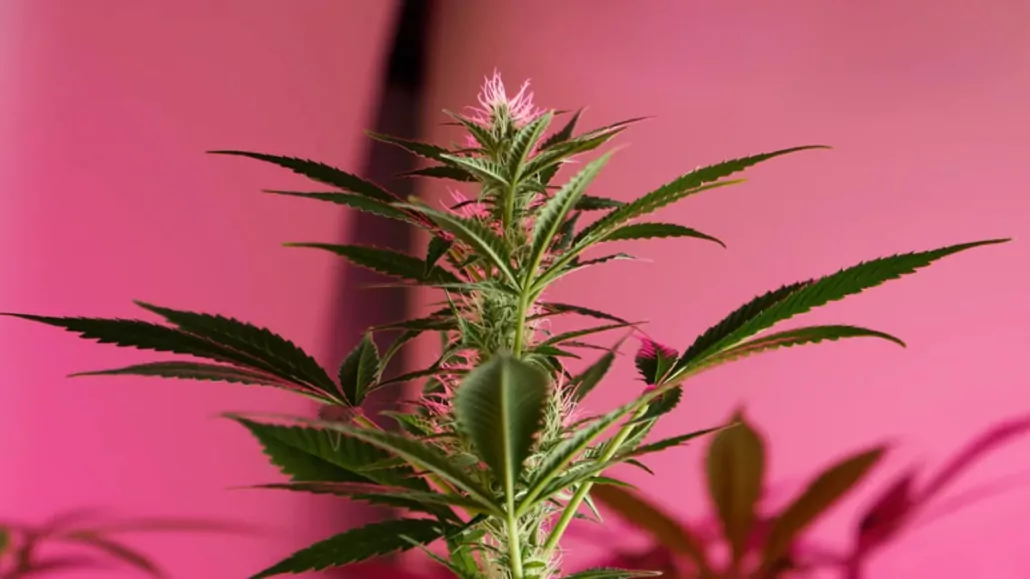
Czechia has ushered in a new era of drug policy with a landmark legal framework governing adult cannabis use, set to take effect on January 1, 2026. Moving away from years of partial decriminalization and discretionary enforcement, the new law establishes clear, uniform national rules. It permits adults aged 21 and over to grow up to three cannabis plants at their primary residence and possess significant quantities of dried cannabis, marking a major shift aimed at reducing legal uncertainty and easing the burden on the criminal justice system.
Under the new legislation, qualifying adults can legally keep up to 100 grams of dried cannabis at home and carry up to 25 grams in public. This reform replaces a system where small-scale possession was often treated as an administrative offense but penalties could escalate unpredictably. Government officials emphasize that these defined thresholds are designed to provide clarity and address what they consider disproportionate penalties for non-violent offenders.
Key Provisions of the 2026 Law
- Age Restriction: Cannabis cultivation and possession are strictly limited to adults aged 21 and older.
- Home Cultivation: Individuals may grow a maximum of three plants at their primary residence. Cultivation must not cause disturbances or safety risks to others.
- Possession Limits: Adults can store up to 100 grams of dried cannabis at home. Public possession is capped at 25 grams.
- Penalties: Growing more than three plants or possessing amounts exceeding the legal limits (e.g., over 200 grams at home) remains a criminal offense or felony.
- No Retail Sales: The current law does not permit the commercial retail sale of recreational cannabis.
Czechia vs. Europe: A Comparative Look
The Czech reform mirrors similar progressive steps taken by Germany in 2024 but with distinct differences. While Germany set the minimum age at 18, Czechia has opted for a higher threshold of 21. However, Czechia allows for a larger quantity of home storage (100g vs. Germany’s 50g), which lawmakers say better reflects the potential yield from three mature plants. Unlike Germany and Spain, Czechia has not yet legalized cannabis social clubs, focusing this initial phase purely on personal cultivation. Retail sales remain prohibited, contrasting with the tolerated coffeeshop model in the Netherlands.
Economic and Social Implications
Beyond legal clarity, the reform is driven by economic and public health considerations. Research from Charles University estimates a net social benefit of up to €107 million annually, primarily through reduced enforcement and judicial costs. By allowing home cultivation, officials also hope to undercut the demand for unregulated or dangerous synthetic cannabinoid products.
While a fully regulated commercial market remains politically and legally complex within the EU context, discussions on further steps are ongoing. Non-profit cannabis social clubs could be considered as early as 2027 or 2028, and experts suggest limited pilot projects in major cities might follow. Former national anti-drug coordinator Jindřich Vobořil described the law as “a compromise, not a final step,” signaling that the conversation around a regulated market is far from over.

- Recycling Point, Bin, or Kitchen Drawer? What UK Vapers Actually Do With a Dead Device - September 30, 2026
- How Cannabis Operators Should Qualify a Vape Hardware Supplier - September 30, 2026
- From Distillate to Finished Pod: The Quality-Control Steps Behind a Premium CBD Vape - September 30, 2026
Related posts:
 Europe Disposable Vape Ban: Challenges and Progress
 $1 Million Illegal Vapes Seized on Way Into Western Australia
 UAE Legalizes Medical Industrial Hemp for Health Uses
 Massachusetts 2026 Laws: Cannabis Lounges & Hunting Rules
 Vape Packaging Warning Label Requirements in the UK and EU
 UK Government Announce Disposable Vape Ban Update

