
Delta-8, Delta-9, and THCA Explained: Navigating 2026 Hemp Laws
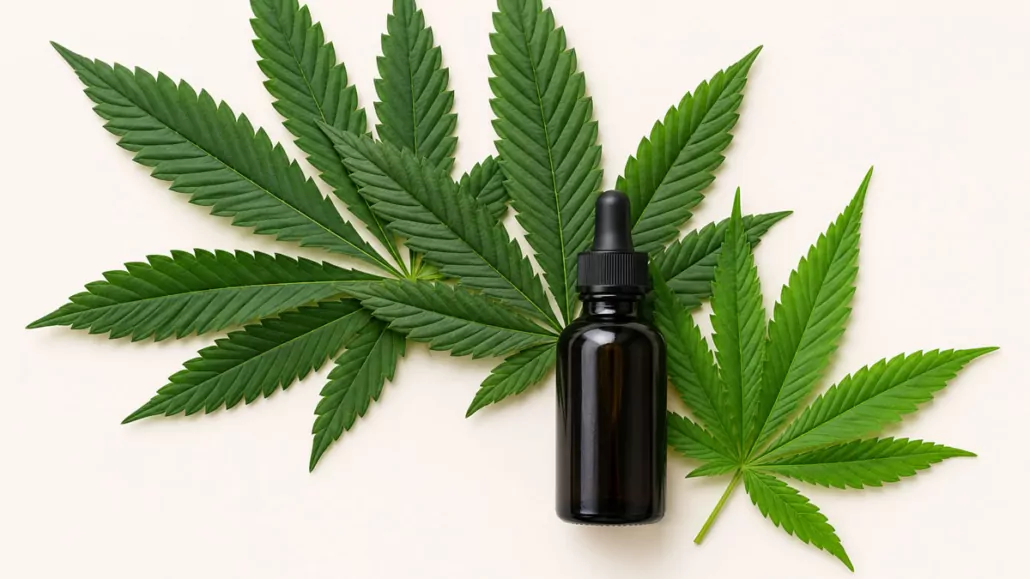
Federal lawmakers and chemists are grappling with a rapidly evolving cannabis market as consumers navigate a confusing array of hemp-derived products containing Delta-8, Delta-9, and THCA. This surge in diverse cannabinoid offerings has triggered a wave of new federal restrictions aimed at closing legal loopholes and standardizing safety protocols across the United States.
Hemp products have exploded across the country, appearing prominently even in the majority of states where recreational marijuana remains illegal. This initial market boom occurred after the 2018 Farm Bill removed hemp from the Controlled Substances Act.
Under that 2018 legislation, cannabis products derived from hemp were defined as legal provided they contained less than 0.3% delta-9 tetrahydrocannabinol (THC). However, the sheer variety of THC products available today, combined with fragmented state regulations, has created significant confusion for consumers trying to understand what they are actually purchasing.
Understanding THCA and Delta-9 THC
To make informed choices, consumers must understand the chemical distinctions between these compounds. THC compounds are a subset of cannabinoids, which encompass any compound that interacts with the cannabinoid receptors in the human body.
THC is technically a broader family of compounds that includes delta-8, delta-9, and delta-10 THC. These specific variations all share similar chemical structures and are psychoactive, meaning they possess the ability to alter mood and perception, ultimately producing a “high.”
Conversely, 9-tetrahydrocannabinolic acid (THCA) is the major cannabinoid found naturally in the raw cannabis plant. Crucially, THCA itself does not produce a psychoactive high. To become intoxicating, it must undergo a specific chemical reaction.
THCA features an extra group of atoms attached to its structure. When exposed to heat—such as when the plant is burned in a joint or cooked into an edible—this group of atoms breaks away. Through this heating process, THCA transforms into delta-9 THC, the primary psychoactive compound.
The Legal Loophole and Changing Regulations
The 2018 Farm Bill created a massive legal loophole because it measured only the delta-9 THC present in a hemp plant, entirely ignoring THCA. Consequently, a hemp plant could boast a 25% THCA concentration and only 0.2% delta-9 THC and still be classified as federally legal.
Once a consumer purchased and heated that “legal” flower, the high levels of THCA would immediately convert into potent, psychoactive delta-9 THC. However, lawmakers have recently moved to eliminate this discrepancy.
In November 2025, the Agriculture Appropriations Act fundamentally redefined hemp. The new legislation limits the total THC—explicitly including THCA—to 0.3% on a dry weight basis.
This new rule, set to take full effect in November 2026, will drastically impact the smokable hemp market. Because high-potency cannabis strains naturally contain THCA concentrations ranging from 20% to 30% by dry weight, the new total THC threshold will render the vast majority of these smokable products illegal under federal law.
The Edibles Math and New Limits
Regulating edibles and beverages requires a different mathematical approach, meaning the dry weight rule alone was insufficient to curb high-potency gummies and seltzers. Because these products weigh significantly more than raw flower, they easily dilute the THC percentage.
For example, a standard 12-ounce can of seltzer weighs approximately 355 grams. To fall under the 0.3% threshold, a product only needs about 3.3 grams of total weight per 10 milligrams of delta-9 THC. Therefore, a 10-milligram dose in a heavy beverage easily passes the legal weight test.
Even small edibles exploit this ratio. A single gummy candy typically weighs around 5 grams, which is more than enough mass to legally conceal a potent 10-milligram dose of THC under the old 0.3% limit.
To close this specific loophole, the new November 2025 law implemented a strict secondary rule: Any final hemp-derived product containing more than 0.4 milligrams of THC per container is no longer legal. This stringent cap falls well below a single standard dose of any commercially marketed THC beverage or edible currently on shelves.
Despite these federal moves, the regulatory debate remains highly active. Lawmakers introduced amended legislation in April 2026 designed to give states autonomy in hemp regulation as opposed to a blanket federal ban.
The Rise of Delta-8 and Delta-10 THC
Beyond THCA and Delta-9, the market has been flooded with Delta-8 and Delta-10 products. These compounds are what chemists call isomers of delta-9 THC. While they share the exact same chemical formula, they feature different chemical structures.
The physical difference is microscopic—a single double bond simply shifts its position by one spot in the molecular ring. However, like delta-9, both delta-8 and delta-10 THC are also psychoactive and successfully bind cannabinoid receptors in the body.
| Cannabinoid | Psychoactive in Raw Form? | Natural Abundance in Plant | Primary Commercial Source |
|---|---|---|---|
| THCA | No (Requires heat conversion) | High (Major cannabinoid) | Naturally extracted from raw flower |
| Delta-9 THC | Yes | Low to Moderate | Converted from THCA via heat |
| Delta-8 THC | Yes (Milder than Delta-9) | Extremely Low | Synthetically converted from CBD |
| Delta-10 THC | Yes (Milder than Delta-9) | Extremely Low | Synthetically converted from CBD |
While Delta-8 and Delta-10 do occur naturally in cannabis plants, their natural concentrations are incredibly low. To produce them in commercial quantities, manufacturers must synthesize them from CBD. This synthetic process has raised widespread safety concerns regarding potential chemical contamination from manufacturing.
Anecdotal evidence suggests these alternate isomers are less potent than delta-9, but scientists will need to conduct more research to definitively confirm their safety profiles and exact potency levels.
Future Research and Rescheduling
Because these synthetic isomers fell outside the original delta-9 calculation in the 2018 Farm Bill, they acted as yet another massive loophole for manufacturers. The newly proposed total THC standard aims to close this by accounting for all types of THC, though state legislation still varies substantially.
In April 2026, the Trump administration officially rescheduled medical marijuana from Schedule I to Schedule III. While this historic move may temporarily add to the existing regulatory confusion, it is widely celebrated by the scientific community.
Rescheduling will significantly lower research barriers, finally allowing scientists to rigorously address basic questions about THC’s true potency, how the human body metabolizes it, and its long-term therapeutic potential.

- Recycling Point, Bin, or Kitchen Drawer? What UK Vapers Actually Do With a Dead Device - September 30, 2026
- How Cannabis Operators Should Qualify a Vape Hardware Supplier - September 30, 2026
- From Distillate to Finished Pod: The Quality-Control Steps Behind a Premium CBD Vape - September 30, 2026
Related posts:
 Louisiana’s New THC and CBD Regulations Set to Disrupt Hemp Industry in 2025
 TSA/FAA Rules for Carrying Vapes & E-Cigarettes on AirPlanes
 New York Senate Passes Bill to Ban Child-Enticing E-Cigarettes
 US Tobacco & Vape Law Roundup: State Actions in September 2025
 Philippine DTI Crackdown on Non-Compliant Vape Shops

