
THCa vs. THCp: What’s the Difference? Potency, Safety & Effects
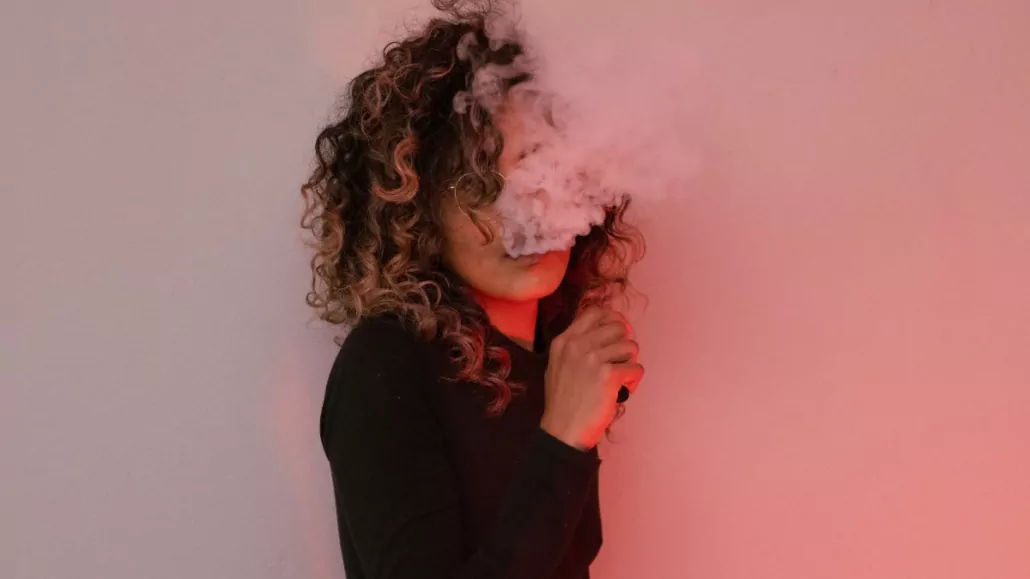
The primary difference between THCa and THCp lies in their potency and origin. THCa is the abundant, non-psychoactive precursor to THC found naturally in raw cannabis that converts to standard THC when heated. THCp is a trace cannabinoid, often synthesized from CBD for commercial use, that is significantly more potent—binding to receptors up to 33 times more effectively than regular THC. While THCa offers a classic cannabis experience, THCp delivers an intense, long-lasting high.
Key Takeaways:
- Potency: THCp is estimated to be over 30 times more potent than Delta-9 THC; THCa becomes standard Delta-9 THC when heated.
- Origin: THCa is abundant in nature; THCp is found in trace amounts and is usually synthesized from hemp-derived CBD.
- Effects: THCa provides a familiar, balanced high (post-heating); THCp is known for intense, sometimes overwhelming psychoactive effects.
- Legality: Both exist in a legal gray area under the 2018 Farm Bill, provided they are hemp-derived and contain <0.3% Delta-9 THC.
THCa and THCp are distinct cannabinoids with vastly different effects on the human body, despite their similar-sounding names. As the cannabis market evolves, navigating the “alphabet soup” of new compounds can be daunting. Understanding the nuances between Tetrahydrocannabinolic Acid (THCa) and Tetrahydrocannabiphorol (THCp) is crucial for consumers seeking safe, legal, and predictable experiences.
What Are Cannabinoids? A Brief Overview
Before diving into the specific matchup of THCa vs. THCp, it helps to understand the basics. The cannabis plant contains over 100 different chemical compounds known as cannabinoids. The most famous is Delta-9-tetrahydrocannabinol (THC), responsible for the classic psychoactive “high.” Another well-known compound is Cannabidiol (CBD), famed for its non-intoxicating therapeutic benefits.
However, recent years have seen a surge in “alternative cannabinoids” derived from hemp. This boom is largely driven by the 2018 Farm Bill, which legalized hemp (cannabis with less than 0.3% Delta-9 THC) on a federal level. This legislation created a legal loophole allowing for the sale of psychoactive compounds like THCa and THCp, provided they are derived from compliant hemp plants.
What is THCa? The Raw Potential
THCa (Tetrahydrocannabinolic Acid) is the acidic precursor to THC. It is the most abundant cannabinoid found in raw, living cannabis plants. In its natural state, THCa is non-psychoactive. You could eat a raw cannabis flower rich in THCa and likely not feel any intoxicating effects.
How THCa Gets You High
The magic happens through a process called decarboxylation. When THCa is exposed to heat (via a lighter, vaporizer, or oven), it loses a carboxyl group (a carbon atom and two oxygen atoms) and converts into Delta-9 THC. This is why “hemp” flower with high THCa levels is functionally identical to “marijuana” once you smoke it.
- Natural Abundance: High levels found naturally in the plant.
- Processing: Minimal processing required; often sold as raw flower or diamonds.
- Experience: Identical to traditional cannabis once heated.
What is THCp? The Potency Powerhouse
THCp (Tetrahydrocannabiphorol) is a relatively new discovery, identified by Italian researchers in 2019. While it does occur naturally in the cannabis plant, it exists in extremely minute trace amounts—far too low to be extracted commercially from the plant directly.
Why is THCp So Strong?
The defining characteristic of THCp is its molecular structure. It has a longer alkyl side chain (seven carbon atoms) compared to Delta-9 THC (five carbon atoms). This extended tail allows THCp to bind to the body’s CB1 receptors (found in the brain and nervous system) with significantly greater affinity.
Research suggests THCp binds approximately 33 times more effectively to CB1 receptors than standard THC. This doesn’t necessarily mean you get “33 times higher,” but it does mean the compound is incredibly potent, and even very small doses can produce intense, long-lasting psychoactive effects.
- Natural Abundance: Extremely low; trace amounts only.
- Processing: Commercial products are almost always chemically synthesized from hemp-derived CBD.
- Experience: Intense, heavy, and potentially overwhelming psychoactivity.
Detailed Comparison: THCa vs. THCp
To help you decide which might be right for you, here is a side-by-side comparison of their key characteristics.
| Feature | THCa (Tetrahydrocannabinolic Acid) | THCp (Tetrahydrocannabiphorol) |
|---|---|---|
| Psychoactivity | Non-psychoactive (until heated). Converts to Delta-9 THC. | Extremely psychoactive. Highly potent even in small doses. |
| Potency | Standard potency (equivalent to regular weed). | Estimated 33x binding affinity compared to Delta-9 THC. |
| Production Method | Naturally cultivated; extracted or sold as raw flower. | Chemically synthesized from CBD in a lab. |
| Onset & Duration | Standard onset (minutes if smoked); lasts 2-4 hours. | Slower onset possible; effects can last 12-24+ hours. |
| Best For | Those seeking a traditional cannabis experience. | High-tolerance users seeking extreme potency. |
Safety Concerns and “Gas Station Weed”
One of the biggest distinctions between these two cannabinoids is their production. THCa is grown; THCp is made. Because THCp in commercial products is synthesized from CBD using chemical catalysts, it falls into a category often critically referred to as “gas station weed” or “diet weed” (though THCp is anything but “diet” in strength).
Safety risks associated with synthesized cannabinoids include:
- Residual Solvents: Harsh chemicals used in conversion may remain in the final product if not properly purged.
- Unknown Byproducts: The synthesis process can create unidentified isomers or byproducts with unknown health effects.
- Lack of Regulation: Without federal oversight, lab testing standards vary wildly between brands.
Conversely, THCa flower is simply cannabis flower. While it still requires testing for pesticides and heavy metals, it does not undergo the complex chemical conversions required to create THCp.
Which One Should You Choose?
The choice between THCa and THCp depends entirely on what you are looking for in your cannabis experience.
Choose THCa If:
- You want a classic, natural cannabis high.
- You prefer products that are grown rather than synthesized.
- You live in a state without legal recreational marijuana but want the closest legal alternative.
- You want predictable effects with a standard duration.
Choose THCp If:
- You have an extremely high tolerance and regular THC no longer affects you.
- You are looking for a novel, very intense psychoactive experience.
- You are prepared for a “trip” that could last significantly longer than a standard high (sometimes into the next day).
- Caution: Beginners should approach THCp with extreme care. Start with a micro-dose.
Conclusion
While both THCa and THCp occupy the same legal gray area afforded by the 2018 Farm Bill, they are fundamentally different products. THCa offers a bridge to the traditional cannabis plant, providing a natural and familiar experience. THCp represents the frontier of synthetic potency, offering powerful effects that can be unpredictable and overwhelming for the uninitiated.
As the regulatory landscape shifts—with potential changes to the Farm Bill on the horizon—consumers should prioritize safety. Always buy from reputable brands that provide comprehensive Certificates of Analysis (COAs) to ensure your product is free from harmful contaminants.
Disclaimer: The information provided in this article is for educational purposes only and does not constitute legal or medical advice. The legal status of cannabinoids varies by state and is subject to change. Always check your local laws before purchasing or consuming hemp-derived products. These statements have not been evaluated by the Food and Drug Administration. These products are not intended to diagnose, treat, cure, or prevent any disease.

- Recycling Point, Bin, or Kitchen Drawer? What UK Vapers Actually Do With a Dead Device - September 30, 2026
- How Cannabis Operators Should Qualify a Vape Hardware Supplier - September 30, 2026
- From Distillate to Finished Pod: The Quality-Control Steps Behind a Premium CBD Vape - September 30, 2026
Related posts:
 CBD & Hemp May Be Banned in North Carolina by 2026
 What the Benefits When You Quit Smoking & Start Vaping
 Elf Bar 600 V2 Review: Our Take on the Upgraded Disposable Vape
 Elf Bar 600 V1 vs V2: What’s the Difference
 Ijoy TaijiZen Judo 24K Disposable Vape Review
 Zimbabwe Set to Become Regional Hub for Vape Production

