Federal Ban on Psychoactive Hemp Set for Nov 2026
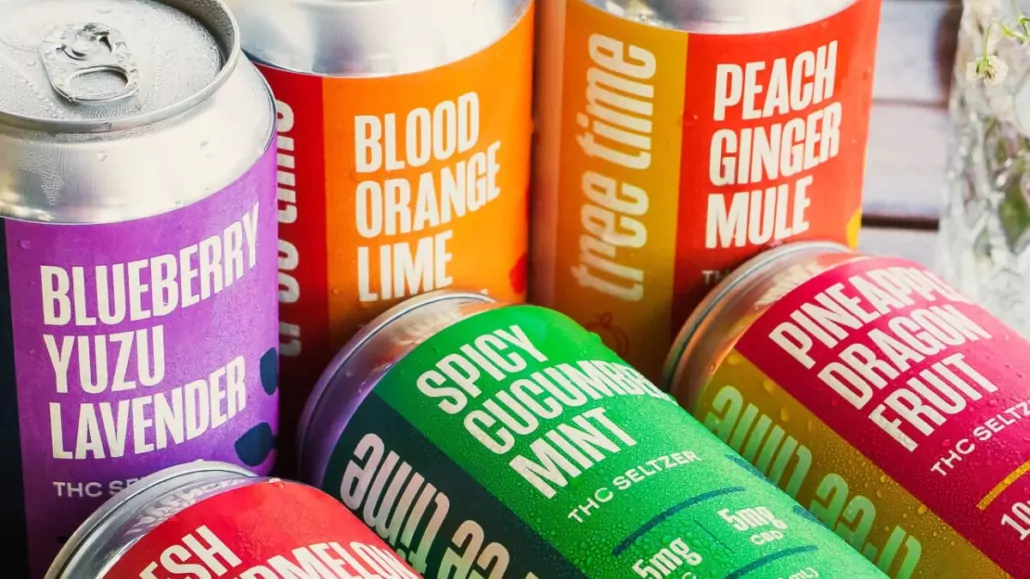
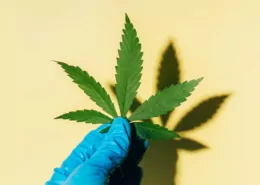
Unless Congress intervenes, the burgeoning U.S. market for psychoactive hemp products will face a federal prohibition starting November 13, 2026. A spending bill approved as part of the package ending the recent federal shutdown includes language that drastically narrows the definition of legal hemp, effectively closing the “loophole” created by the 2018 Farm Bill that gave rise to a $28 billion industry.
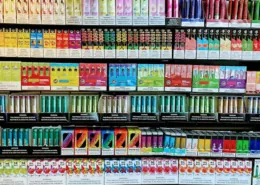
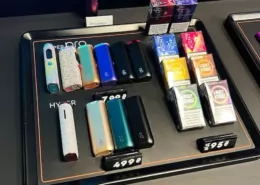
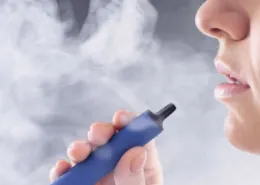
The 2018 Farm Bill legalized hemp by defining it as cannabis with less than 0.3% delta-9 THC. However, it inadvertently legalized derivatives like delta-8 THC and THCA, which offer similar psychoactive effects. This led to the rapid proliferation of hemp-derived vapes, edibles, and beverages sold online and in stores nationwide, often in states where recreational marijuana remains illegal.
Closing the “Loophole”
Senator Mitch McConnell (R–Ky.), a key proponent of the original legalization, expressed dismay at this unintended consequence, stating his goal was an agricultural industry, “not… unregulated, intoxicating, lab-made, hemp-derived substances.” The new legislation, signed by President Trump, redefines hemp to exclude products with cannabinoids synthesized outside the plant or those not naturally capable of being produced. Crucially, it bans products containing more than 0.4 milligrams combined total per container of tetrahydrocannabinols (including THCA) or similar cannabinoids. This stringent cap would outlaw popular brands of hemp-derived seltzers, gummies, and vape cartridges currently on the market.
Industry in Crisis
The U.S. Hemp Roundtable (USHR) warns that this redefinition creates an “extinction-level event” for the sector. They estimate that 95% of the industry will be banned, including many non-intoxicating CBD products, threatening to displace nearly 300,000 workers. Economist Beau Whitney projects that in Texas alone, over 6,300 businesses could fail, impacting 40,000 jobs. Senator Rand Paul (R–Ky.), who opposed the measure, argued it would devastate hemp farmers and small businesses, advocating instead for state-level regulation. “We tried prohibition. It failed,” Paul stated, emphasizing the safety benefits of a regulated legal market over the black market.
A Fight for Survival
With the ban set to take effect a year after enactment, the industry has a limited window to lobby for change. The USHR hopes to persuade Congress to regulate rather than ban these products before the November 2026 deadline. Legislative efforts are already underway; Representative Nancy Mace (R–S.C.) has introduced a bill to repeal the redefinition, and Representative Morgan Griffith (R–Va.) plans to propose a regulatory framework. However, the path forward is uncertain. While 39 state attorneys general have called for federal clarification to curb unregulated products, industry advocates argue that prohibition without regulation will simply shift demand to illicit channels, mirroring the broader complexities of U.S. cannabis policy where federal and state laws often clash.
- News source: Psychoactive Hemp Products Will Be Federally Prohibited in a Year Unless Congress Intervenes

- Recycling Point, Bin, or Kitchen Drawer? What UK Vapers Actually Do With a Dead Device - September 30, 2026
- How Cannabis Operators Should Qualify a Vape Hardware Supplier - September 30, 2026
- From Distillate to Finished Pod: The Quality-Control Steps Behind a Premium CBD Vape - September 30, 2026