CBD & Hemp May Be Banned in North Carolina by 2026
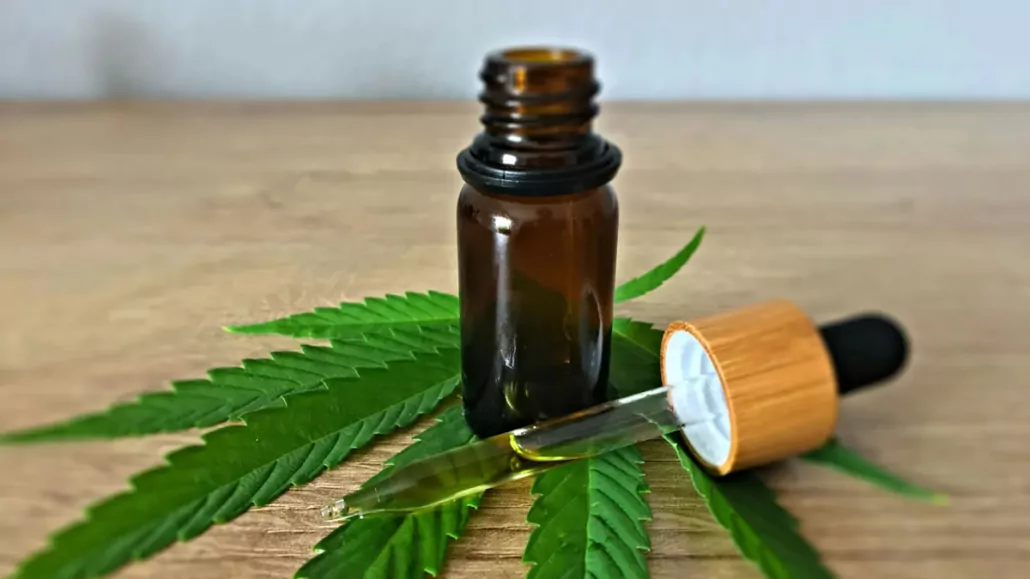
A provision tucked into the federal funding law that reopened the government this fall threatens to shutter the multi-billion-dollar hemp industry, potentially making CBD, hemp, and other marijuana-adjacent products unavailable in North Carolina by late 2026. This legislative change targets a loophole that has allowed the sale of intoxicating hemp products, but its broad scope could also sweep away non-intoxicating wellness items like CBD oils and lotions.
The Current Landscape: Legal Loopholes and Intoxicating Hemp
To understand the impending ban, it’s essential to grasp the current legal status of cannabis products. Hemp and marijuana are derived from the same plant but are distinguished by their concentration of Tetrahydrocannabinol (THC), the psychoactive compound responsible for the “high.”
While marijuana remains illegal in North Carolina, the state permits hemp products containing 0.3% Delta-9 THC or less, aligning with the federal 2018 Farm Bill. This legislation effectively legalized hemp but inadvertently created a loophole. Producers found they could synthesize intoxicating cannabinoids like Delta-8 and THC-A from legal hemp, selling them in gummies, vapes, and drinks at convenience stores and dispensaries. Even CBD (cannabidiol), a non-intoxicating compound popular for anxiety and pain relief, operates under this framework.
The New Federal Provision: Closing the Door
The new federal provision, inserted into the government funding measure by Senator Mitch McConnell, aims to close this loophole. It bans any product with more than 0.4 milligrams of any type of THC per package—a mere trace amount. This drastic reduction means that products currently legal under the 0.3% rule in North Carolina, including many non-intoxicating CBD items, would likely become illegal.
Senator McConnell stated he did not intend for the 2018 Farm Bill to spawn an unregulated market for intoxicating substances. Child advocates and officials like NC Attorney General Jeff Jackson have raised alarms about these products being marketed like candy to children. In October, Jackson joined 37 other attorneys general in a letter to Congress urging regulation, stating, “It’s too easy for kids to walk into a gas station and buy a product that is unregulated and could be really harmful for them.”
Industry Impact: A Multi-Billion Dollar Blow
The ban is set to take effect in November 2026, giving the industry a year-long reprieve. However, hemp growers and business owners warn it would kill the industry. North Carolina is a significant player, ranking sixth in the country for hemp production according to a 2023 report. Nearly 900 businesses are licensed to grow hemp in the state.
Trade associations like The Hemp Industry and Farmers of America are mobilizing, asking consumers to contact Congress for an extension or regulatory changes rather than a total ban. While industrial hemp products like fibers remain exempt, they represent a fraction of the market compared to flower-based consumer goods.
Broader Context: Rescheduling and Medical Marijuana
This crackdown comes amidst shifting federal stances on cannabis. President Trump recently signed an executive order to move marijuana from Schedule I to Schedule III under the Controlled Substances Act. This reclassification acknowledges medical uses and could facilitate research, but it does not legalize recreational use. Meanwhile, efforts to legalize medical marijuana in North Carolina, led by Senator Bill Rabon, have repeatedly stalled in the state House.
What’s Next?
In response to the potential ban, bipartisan members of Congress have introduced measures to regulate hemp products federally instead of banning them. These proposals would set THC limits and empower the FDA to oversee marketing. For now, businesses continue to operate, but the clock is ticking toward November 2026. In North Carolina, the Governor’s Advisory Council on Cannabis continues to meet to develop state-level strategies, with public meetings scheduled for early 2026.

- Recycling Point, Bin, or Kitchen Drawer? What UK Vapers Actually Do With a Dead Device - September 30, 2026
- How Cannabis Operators Should Qualify a Vape Hardware Supplier - September 30, 2026
- From Distillate to Finished Pod: The Quality-Control Steps Behind a Premium CBD Vape - September 30, 2026