
What Does Cannabis Rescheduling Mean for Your Taxes?
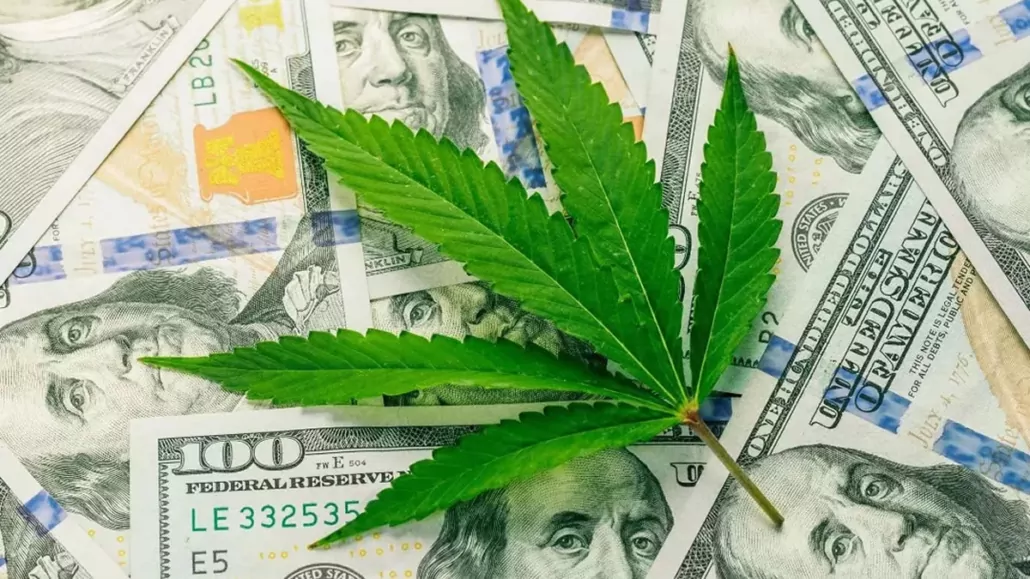
Cannabis rescheduling refers to the federal reclassification of marijuana from a Schedule I to a Schedule III controlled substance, a move initiated by President Trump’s December 18, 2025, executive order. This shift promises to fundamentally alter the financial landscape for the cannabis industry, primarily by removing the punitive tax measures of Section 280E.
Rescheduling cannabis from Schedule I to Schedule III would eliminate the burden of Section 280E, allowing businesses to deduct standard operating expenses like rent and wages. However, relief is not immediate; the rulemaking process must be finalized, which could take months or longer due to potential legal challenges. Until then, businesses must continue to file under current Section 280E rules.
Key Takeaways:
- Section 280E Relief: Rescheduling would end the prohibition on deducting business expenses.
- Current Status: Cannabis remains Schedule I until the final rule is published; no immediate deductions allowed.
- Timeline Uncertainty: The process involves public comments and potential lawsuits, delaying implementation.
- State Variations: Impact varies by state, as some have already decoupled from federal tax codes.
The Crushing Burden of Section 280E
Under current federal law, cannabis is a Schedule I substance, meaning businesses are subject to Section 280E of the Internal Revenue Code. This provision forbids businesses “trafficking in controlled substances” from deducting ordinary and necessary business expenses.
While businesses can subtract the Cost of Goods Sold (COGS)—direct costs like raw materials and cultivation labor—they cannot deduct operating expenses. This results in effective tax rates of 60-70% or more for many retailers.
| Expense Type | Deductible Under Schedule I (Current) | Deductible Under Schedule III (Proposed) |
|---|---|---|
| Cost of Goods Sold (COGS) | Yes | Yes |
| Rent & Utilities | No | Yes |
| Employee Wages | No | Yes |
| Marketing & Legal Fees | No | Yes |
When Will the Tax Relief Arrive?
The Executive Order itself does not reschedule cannabis; it directs the Attorney General to expedite the process. The path to finalization involves several steps:
- Rulemaking Process: The rule must go through a public comment period.
- Final Publication: The final rule must be published in the Federal Register.
- Legal Challenges: It is likely the order will face court challenges, potentially delaying implementation.
Until the reclassification is official, cannabis remains Schedule I. Businesses should not take deductions for the 2025 tax year based on this order. If rescheduling occurs in 2026, it is unclear if deductions will apply retroactively to the start of that tax year.
State Tax Implications Vary
The impact of federal rescheduling on state taxes depends on local laws:
- Decoupled States: States like Connecticut, New York, and Massachusetts have already separated their tax codes from federal Section 280E, allowing state-level deductions.
- Conforming States: States that automatically follow federal tax law will see immediate changes once federal rescheduling is final.
- New Restrictions: Some states may choose to impose their own specific prohibitions even after federal law changes.
In sum, while rescheduling offers a lifeline for the industry, businesses must navigate a complex transition period. Consulting with tax advisers is essential to prepare for future liabilities and restructuring opportunities.

- Recycling Point, Bin, or Kitchen Drawer? What UK Vapers Actually Do With a Dead Device - September 30, 2026
- How Cannabis Operators Should Qualify a Vape Hardware Supplier - September 30, 2026
- From Distillate to Finished Pod: The Quality-Control Steps Behind a Premium CBD Vape - September 30, 2026
Related posts:
 Trump’s Cannabis Order: Political Hype vs. Legal Reality
 7 Best 420-Friendly Cities in the U.S. (2026 Guide)
 Vaping in Hotels: Can They Detect It and What Are the Consequences?
 Hawaii Implements 70% Wholesale Tax on Vaping Products
 Texas Proposes 13,000% Licensing Fee Hike for Hemp Retailers
 New Federal Law Threatens Hemp Businesses, Bans High-THC Products

