
European Flavor Vape Bans: Countries, Rules & Impact

Across Europe, a significant regulatory shift is underway in the vaping industry. In a concerted effort to curb youth vaping rates and combat nicotine addiction, several countries have implemented or are in the process of enforcing strict bans on flavored e-cigarettes. These measures primarily target non-tobacco flavors—such as fruit, candy, dessert, and mint—which health authorities argue are disproportionately appealing to minors. As of 2025, nine European nations have taken decisive action, reshaping the market for millions of consumers.
While proponents hail these bans as essential steps for public health protection, particularly for the younger generation, the policy is not without its detractors. Critics, including harm reduction advocates and industry stakeholders, warn of unintended consequences that could undermine smoking cessation efforts and fuel illicit markets. This article provides an in-depth look at the specific regulations in these nine countries and explores the complex debate surrounding the potential fallout of such prohibitions.
The Landscape of Restriction: Which European Countries Have Banned Flavors?
The approach to flavor bans varies across the continent, with some countries adopting early, stringent measures and others following suit more recently. Here is a detailed breakdown of the nine nations leading this regulatory trend:

Finland: The Pioneer
Finland stands as the pioneer of strict vaping regulation in Europe. It was the first country to implement a comprehensive flavor ban, prohibiting all e-liquid flavors except for tobacco as far back as August 2016. This early adoption set a precedent, reflecting Finland’s long-standing goal of becoming a tobacco-free nation. The ban effectively removed a vast array of products from legal shelves nearly a decade ago.

Estonia: Tightening the Reins
Following Finland’s lead, Estonia introduced restrictions on flavored e-liquids in 2020. The Estonian legislation permits only tobacco and menthol flavors, effectively outlawing the sale of fruit and sweet varieties. This move was part of a broader strategy to align vaping regulations more closely with traditional tobacco control measures.

Denmark: A Focus on Youth
Denmark’s ban on flavored e-liquids came into effect in 2022. Like Estonia, the Danish law permits only tobacco and menthol flavors. The primary driver for this legislation was a growing concern over the rising popularity of vaping among Danish youth, with policymakers aiming to make the products less attractive to new, underage users.

Lithuania: Strict Limitations
Also in 2022, Lithuania enforced a ban that restricts the market to only tobacco-flavored e-liquids. This regulation is among the strictest, removing even menthol from the list of permitted options, signaling a zero-tolerance approach to sensory enhancements in nicotine products.

Hungary: Comprehensive Prohibition
Hungary has implemented a ban on all flavored e-liquids, with the sole exception of those mimicking the taste of tobacco. While the exact implementation timeline has been complex, these restrictions were solidified around 2023, effectively closing the legal market for fruit and dessert-flavored vapes.

Netherlands: A Phased Approach
The Netherlands adopted a phased approach to its ban. As of January 2023, specific flavors deemed appealing to youth, such as strawberry ice cream, mango, hazelnut paste, and mojito, were prohibited. This regulation tightened further, and by January 2024, only tobacco-flavored e-liquids remained legal for sale. This gradual restriction allowed for a period of market adjustment but ultimately led to a complete prohibition of non-tobacco flavors.

Ukraine: Aligning with Standards
From July 2023, Ukraine prohibited all e-liquid flavors except for tobacco. This measure aligns Ukraine’s vaping regulations with some of its stricter European neighbors, aiming to control the market amidst broader public health reforms.

Slovenia: Recent Restrictions
Slovenia joined the list of countries enforcing flavor bans in 2024. The new law allows only tobacco flavor to be sold, effectively removing the wide variety of fruit and sweet options that had previously been available to Slovenian consumers.

Latvia: The Latest Adopter
Latvia is the most recent country to finalize such measures, with a restriction on flavored e-cigarettes set to start in January 2025. Under this new rule, only tobacco-flavored e-liquids will be permitted, marking a significant shift for the local market.
Ecigator is one of the well-known vape brands spun off from KangSiDe Technology Co., Ltd, it’s an ISO-certified disposable vape manufacturer for OEMs, ODMs, and OBM since 2010. The founder team comes from top firms with more than 10 years of experience in the vaping industry and has devoted thousands of hours to providing users with a better and better experience.
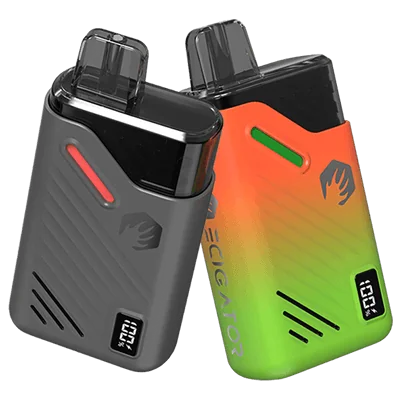
18K Disposable Pod Kit
Disposable Pod Kit – 18ml changeable pod with 650mAh rechargeable battery.
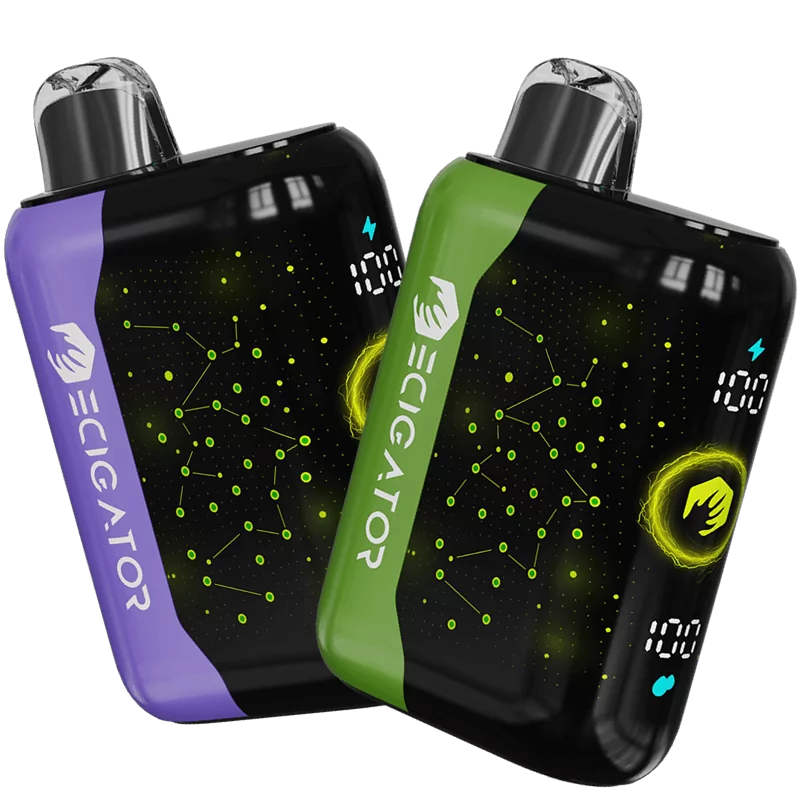
35K with Large Screen
35000 Puffs Disposable Vape with 3D galaxy screen. Eco and Pulse working modes.
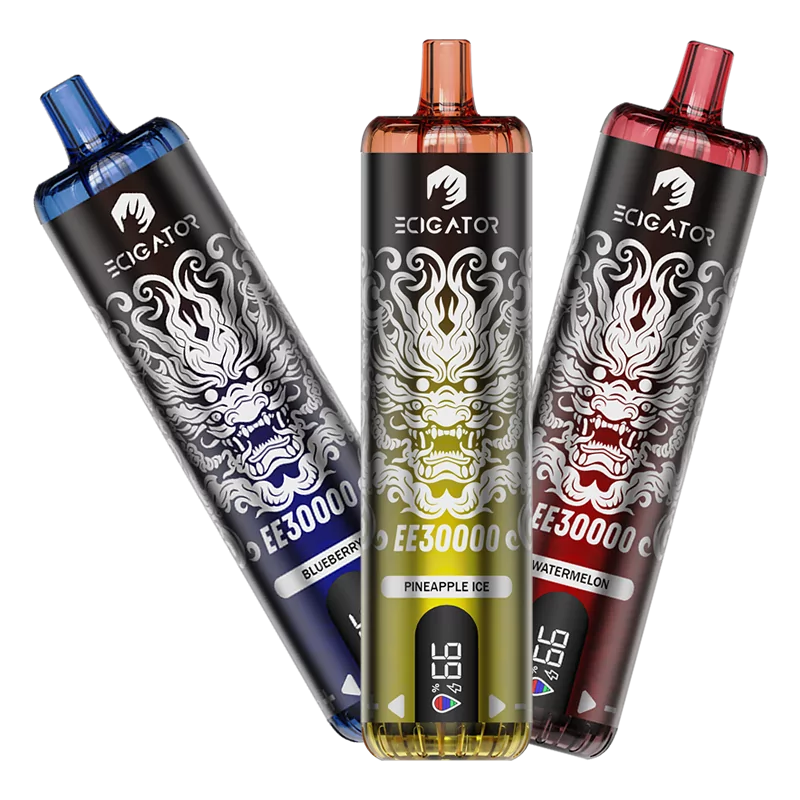
30K DTL Disposable
30K Puffs DTL(Directly to Lung) disposable vape with airflow control and screen.
The Controversy: Potential Negative Consequences of Flavor Bans
While the primary objective of these bans is to protect youth, the policy is a double-edged sword. By removing the very attributes that make vaping a palatable alternative to smoking for adults, these regulations may inadvertently trigger a series of negative public health and economic outcomes.
Threatening Smoking Cessation Success
One of the most significant concerns is the impact on adult smokers trying to quit. Flavored vaping products are widely recognized by users as a crucial tool in transitioning away from combustible cigarettes. The variety of flavors helps dissociate nicotine consumption from the taste of tobacco, making the switch easier and more sustainable. By banning these flavors, policymakers risk discouraging smokers from attempting to quit or, worse, pushing current vapers back to traditional smoking. Research suggests that restricting vape options can reduce the likelihood of successful smoking cessation, thereby maintaining high levels of tobacco-related health risks.
Fueling the Black Market
History has shown that prohibition often drives demand underground. A ban on flavored nicotine products is likely to stimulate a robust black market. Unregulated and illicit products are difficult to monitor and often fail to meet safety standards. These black-market vapes may contain harmful additives, unknown chemicals, or incorrect nicotine levels, posing severe health risks to consumers. Furthermore, the rise of smuggling and illegal sales complicates enforcement efforts, diverting resources away from other public safety priorities.
Economic Fallout
The legal vaping industry is a significant contributor to tax revenue, which funds public services, including health initiatives. A ban on popular flavored products inevitably leads to a sharp decline in legal sales, resulting in a loss of tax income for governments. This reduction can create budget deficits and may force cuts to essential programs, ironically including those aimed at anti-smoking education and addiction treatment.
A Contradiction in Harm Reduction
Public health strategies in many regions have increasingly embraced harm reduction—the idea of minimizing the negative consequences of drug use rather than solely focusing on abstinence. Vaping has been promoted as a significantly less harmful alternative to smoking. Implementing flavor bans contradicts this approach by limiting access to the most effective and popular version of this harm reduction tool. This inconsistency can confuse consumers, erode trust in public health messaging, and leave smokers without viable, appealing alternatives.
Public Safety Risks from Unregulated Products
Beyond the general risks of the black market, the specific danger of counterfeit products cannot be overstated. Without regulatory oversight, illicit e-liquids may be produced in unsanitary conditions using non-food-grade ingredients. Past incidents of severe respiratory illnesses linked to black-market vaping products highlight the potentially life-threatening consequences of driving consumers away from a regulated supply chain.
Summary
The wave of flavor bans sweeping across Europe reflects a strong desire to protect young people from nicotine addiction. However, the potential collateral damage of these policies is substantial. From hindering smoking cessation and fueling a dangerous black market to causing economic losses and contradicting harm reduction principles, the negative impacts are far-reaching. As more countries consider similar measures, policymakers face the difficult task of striking a balance that safeguards youth without sacrificing the health and safety of adult smokers seeking a less harmful alternative.

- Indonesia: Denpasar Updates Smoke-Free Bylaw to Tighten Vape Rules - October 20, 2026
- Teen Girls Surpass Boys in Vaping Rates, Reversing Historic Trends - October 20, 2026
- Alabama: Irondale Proposes Public Vaping Ban with Fines Reaching $200 - October 20, 2026
Related posts:
 Australia Banning Non-Therapeutic Vapes Through Laws Instead of Regulations
 Is Vaping Appropriate in a Home Theater?
 Cargolux Airlines Stops Carrying Disposable Vapes
 U.S. Vaping Map: States with Strictest Vape Sale Restrictions
 Can Vaping Help You Quit Smoking? The Evidence Suggests Yes
 Belgium Implements Total Ban on Nicotine Pouches

