New Public Smoking Bans in France and Spain: What Travelers Need to Know for 2025
Europe’s travel landscape is undergoing a significant shift as major destinations implement stricter tobacco control measures. While the Maldives made headlines this year with the world’s first generational tobacco ban, France and Spain – two of Europe’s most beloved tourist hotspots – are also enforcing sweeping changes to public smoking rules. Known for their vibrant outdoor dining cultures where a cigarette often accompanies a coffee or glass of wine, these countries are now prioritizing public health and cleaner environments.
For travelers, these new regulations mean adjusting expectations and being vigilant about where you light up. France officially implemented its ban in July, targeting outdoor areas frequented by children, while Spain is proposing even stricter measures that could reshape the al fresco experience entirely. Here’s a detailed breakdown of how these bans are affecting travel and what you need to know to avoid hefty fines.

France’s Outdoor Smoking Ban: Protecting the Next Generation
As of July 1, France has enforced a nationwide ban on smoking in specific outdoor public spaces, a key part of President Emmanuel Macron’s National Anti-Tobacco Program (PNLT) 2023–2027. The goal is ambitious: to raise the country’s “first tobacco-free generation” by 2032.
Where is Smoking Banned in France?
The ban primarily targets areas where children are present. Tourists should be aware that lighting up is now prohibited in:
- Public parks and gardens
- Beaches bordering swimming areas
- Bus shelters and covered public transport waiting sites
- Sports venues
- Surroundings of schools (within a perimeter)
Important Note: Electronic cigarettes (e-cigarettes) are currently not included in this specific outdoor ban, though other regulations on disposables exist.
The “Terrace” Exemption
Crucially for visitors, France’s iconic outdoor café and restaurant terraces are currently exempt from this nationwide ban. You can still enjoy a cigarette at a table outside, provided the establishment owner hasn’t implemented their own smoke-free policy. This exemption preserves a staple of French social culture, though debates continue about secondhand smoke in these crowded spaces.
Fines and Penalties
Ignorance of the law is not a valid defense. Tourists caught smoking in banned areas face a fine of €90 (approx. $105) if paid within 15 days. Delaying payment increases the fine to €135 (approx. $158).
Broader Anti-Tobacco Measures
France’s strategy goes beyond just location bans. In February, a law was passed prohibiting single-use disposable e-cigarettes (“puffs”) due to environmental and youth addiction concerns. Future plans include banning nicotine pouches by spring 2026 and raising the minimum price of a cigarette pack to €13 ($15) by 2027.
Spain’s Proposed Ban: A Stricter Approach
Spain is following suit with a draft bill that proposes even more rigorous restrictions under its Comprehensive Plan for the Prevention and Control of Smoking 2024–2027. Unlike France, Spain’s proposal aims to include all nicotine products, including e-cigarettes (even nicotine-free ones), heated tobacco products, and shisha.
Proposed Prohibited Areas in Spain
If passed, the ban would cover a wide range of public spaces, significantly impacting the tourist experience:
- Bar and restaurant terraces (a major difference from France)
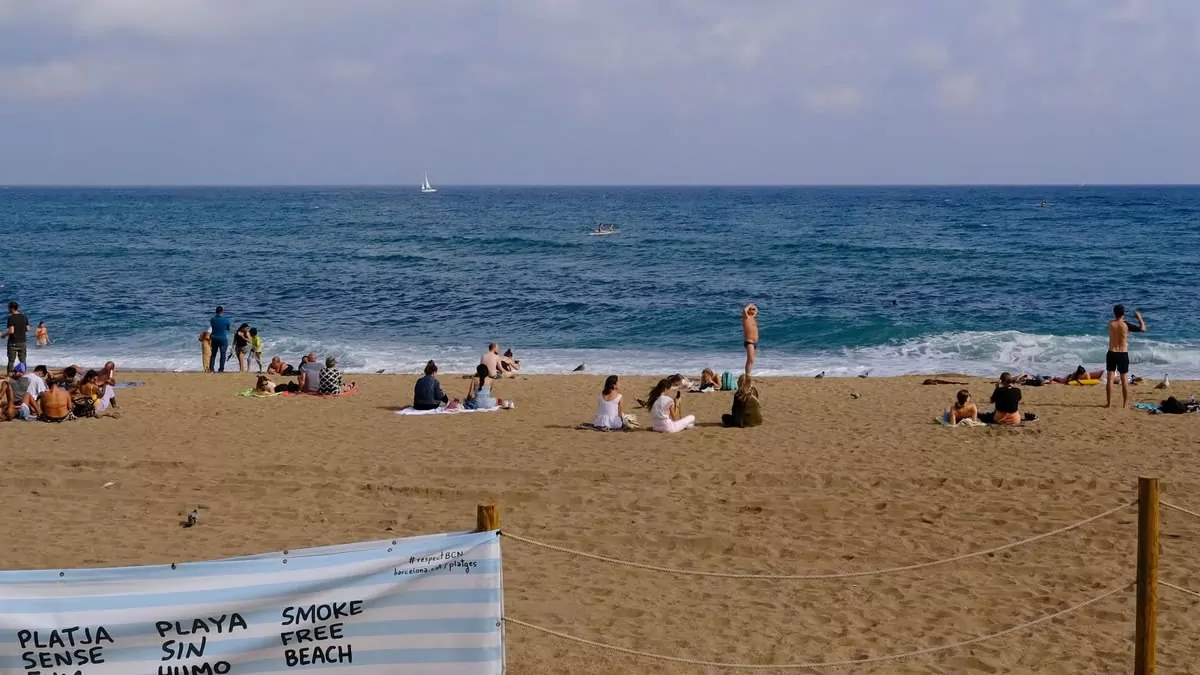
- Beaches and esplanades
- Public swimming pools
- Public transportation hubs
- Sports grounds, stadiums, concerts, and festivals
- Children’s playgrounds and university campuses
Potential Fines
The proposed penalties in Spain are steep. Minor offenses, such as smoking in a prohibited area, could result in fines ranging from €100 to €600 ($117 – $700). Serious or repeated violations could see fines escalate to between €601 and €10,000 ($700 – $11,644).
Traveler Impact and Local Reactions
The reaction to these bans has been mixed. Non-smokers have welcomed the changes, reporting better air quality at major tourist sites in Paris and cleaner beaches free of cigarette butts. However, there are concerns about enforcement and clarity.
Hospitality professionals in France, like Franck Trouet of Hotels and Restaurants of France (GHR), worry that extending bans to terraces would simply shift smokers to the sidewalks, increasing litter and concentrating smoke in pedestrian pathways without solving the core issue. They argue for protecting these “spaces of liberty” where smokers and non-smokers have traditionally co-existed.
For tourists, the main challenge is navigating the specific rules, such as the 10-meter perimeter around schools in France, which may not always be clearly marked. Inconsistent signage can make compliance difficult for those unfamiliar with the area.
Tips for Travelers
- Check for Signs: Look for “Espace sans tabac” (tobacco-free zone) signs in France. In Spain, watch for similar prohibitions once the law is finalized.
- Respect the Perimeter: In France, maintain a distance of at least 33 feet (10 meters) from entrances to schools, playgrounds, and libraries.
- Ask Before You Light Up: Even on a terrace, it’s polite to check if the establishment allows smoking, as individual owners can set stricter rules.
- Use Designated Areas: Stick to sidewalks (away from restricted zones) or designated smoking areas to avoid fines.
As Europe moves towards a smoke-free future, travelers must adapt to these evolving regulations to ensure a hassle-free and respectful visit.

- Indonesia: Denpasar Updates Smoke-Free Bylaw to Tighten Vape Rules - October 20, 2026
- Teen Girls Surpass Boys in Vaping Rates, Reversing Historic Trends - October 20, 2026
- Alabama: Irondale Proposes Public Vaping Ban with Fines Reaching $200 - October 20, 2026