
Driving High in Missouri: How Police Detect Marijuana DUI
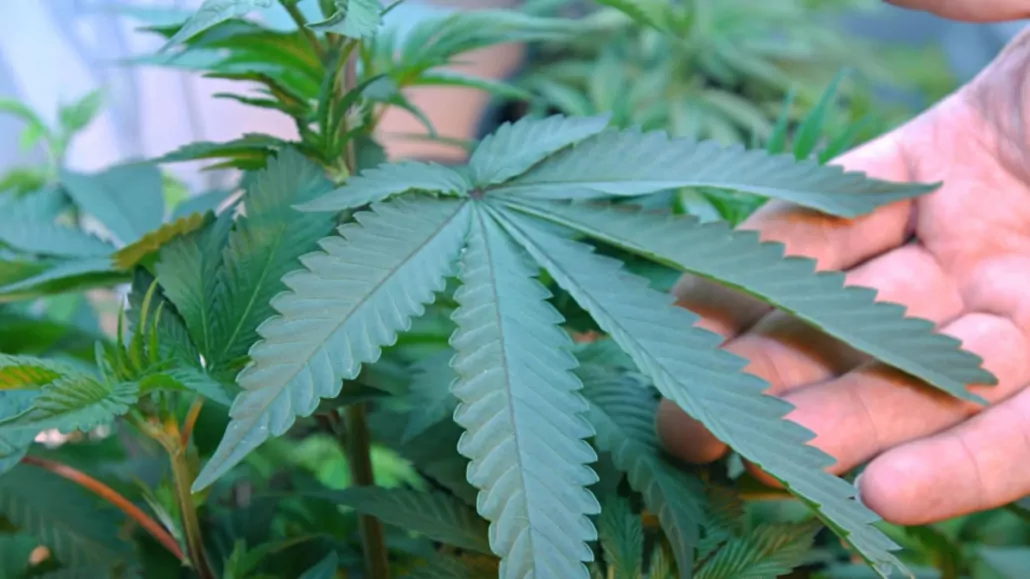
As Missouri joins the growing list of states with legal recreational marijuana, the new era of access brings with it critical questions about road safety. While adults can now legally purchase and consume cannabis products, the law remains firm: driving while high is illegal and dangerous. This raises a key question for many Missourians: without a simple breathalyzer test for weed, how do police officers determine if a driver is impaired by marijuana? The methods, while standardized, are more observational and complex than for alcohol, and understanding them is essential for every driver in the state.
The concern over cannabis-impaired driving is not unfounded. Reports of impaired driving under the influence of marijuana have been on the rise nationally over the past decade. While it’s challenging to precisely measure how many crashes are caused by drugged driving, estimates from the National Institute on Drug Abuse (NIDA) have suggested that a significant percentage of drivers in fatal car crashes test positive for drugs. A 2013-2014 National Roadside Survey by the National Highway Traffic Safety Administration (NHTSA) also revealed a concerning trend: while alcohol use by drivers was decreasing, the percentage of weekend nighttime drivers who tested positive for marijuana rose from 8.6% in 2007 to 12.6% in 2014.
The Science of Marijuana Impairment and Driving
The reason driving while high is illegal is rooted in science. According to the Centers for Disease Control and Prevention (CDC), marijuana directly affects areas of the brain that control crucial functions for safe driving, including balance, coordination, memory, and judgment. Consuming cannabis can lead to:
- Slowed reaction time.
- Impaired coordination.
- Distorted perception of time and distance.
- Difficulty with problem-solving and decision-making.
While studies consistently show an association between marijuana use and car crashes, the CDC notes that more research is needed to fully understand the link. A key challenge is that it’s difficult to directly correlate the presence of THC (the psychoactive compound in cannabis) in the body with a specific level of driving impairment. Unlike alcohol, which has a clear blood alcohol concentration (BAC) limit (0.08% in most states), there is no equivalent, universally accepted roadside test or chemical threshold for marijuana impairment. THC can also remain detectable in a person’s system for days or even weeks after consumption, long after the impairing effects have worn off, complicating testing and prosecution.
How Missouri Police Officers Determine Impairment
Given the lack of a simple chemical test like a breathalyzer for marijuana, Missouri police officers rely on a combination of observation, standardized field sobriety tests, and, in some cases, specialized expertise.
Initial Observation and Reasonable Suspicion
The process begins even before an officer initiates a traffic stop. They will look for telltale signs of impaired driving, such as swerving, weaving between lanes, driving too slowly, speeding, or other forms of reckless or erratic driving. Once a stop is made, the officer will look for further indicators. Donna Drake, a spokesperson for the Kansas City Police Department, mentioned that officers check for the smell of marijuana to help decide if a field sobriety test is necessary.
Standardized Field Sobriety Tests (SFSTs)
If an officer suspects impairment, they will typically administer a series of three standardized tests, which are used across the country to assess both alcohol and drug impairment. These tests are designed to measure a person’s divided attention skills – the ability to perform multiple mental and physical tasks simultaneously, which is essential for safe driving.
- Horizontal Gaze Nystagmus (HGN) Test: The officer will ask the driver to follow a small object (like a pen or a finger) with their eyes. They are looking for an involuntary jerking of the eyeball, which can be an indicator of impairment from certain substances.
- Walk-and-Turn Test: This test requires the driver to walk nine steps, heel-to-toe, along a straight line, turn on one foot, and return in the same manner. The officer looks for indicators like inability to balance, starting before instructions are finished, stopping while walking, or taking an incorrect number of steps.
- One-Leg Stand Test: The driver is asked to stand on one leg, with the other foot raised about six inches off the ground, and count aloud for approximately 30 seconds. The officer observes for swaying, using arms to balance, hopping, or putting the foot down.
If a driver fails to perform satisfactorily on two or more of these three tests, the officer will often determine them to be impaired and may proceed with an arrest for Driving Under the Influence (DUI).
Drug Recognition Experts (DREs)
In more complex cases, or if a patrolling officer is unsure about the nature of the impairment, they can call in a Drug Recognition Expert (DRE). These are police officers who have received highly specialized training to recognize the signs of impairment from seven different categories of drugs, including cannabis. A DRE will conduct a more extensive 12-step evaluation, which can include checking the driver’s pulse, body temperature, and blood pressure, as well as conducting further sobriety tests to determine the category of drug causing the impairment.
Law enforcement agencies in both Missouri and neighboring Kansas (where recreational marijuana remains illegal) offer training courses like Advanced Impaired Driving Enforcement (AIDE) to better prepare officers for detecting drug impairment beyond just alcohol.
Vehicle Searches and Possession Limits
With legalization, the rules around vehicle searches have also evolved in Missouri. Currently, the smell of marijuana alone is not sufficient grounds for an officer to search your car. However, in the context of a traffic stop for suspected impaired driving, the odor can still be used as part of the reasonable suspicion needed to conduct a DUI investigation. Furthermore, while adults can legally possess up to three ounces of marijuana, if an officer has evidence that a person is exceeding this limit, that could be used as a reason to search the vehicle.
This contrasts with Kansas, where courts have long held that the smell of marijuana is sufficient probable cause to search a vehicle.
Penalties for Driving While High in Missouri
Driving under the influence of marijuana in Missouri is a serious offense. For a first-time offender, it is typically a misdemeanor, which can result in:
- Up to six months in jail.
- A fine of up to $500.
- License suspension.
Subsequent infractions carry increased penalties, including longer potential jail time (up to one year) and higher fines (up to $2,000).
Ecigator is one of the well-known vape brands spun off from KangSiDe Technology Co., Ltd, it’s an ISO-certified disposable vape manufacturer for OEMs, ODMs, and OBM since 2010. The founder team comes from top firms with more than 10 years of experience in the vaping industry and has devoted thousands of hours to providing users with a better and better experience.
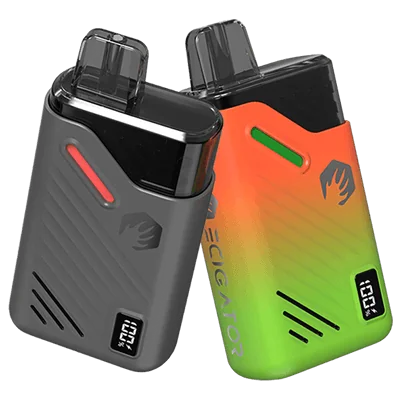
18K Disposable Pod Kit
Disposable Pod Kit – 18ml changeable pod with 650mAh rechargeable battery.
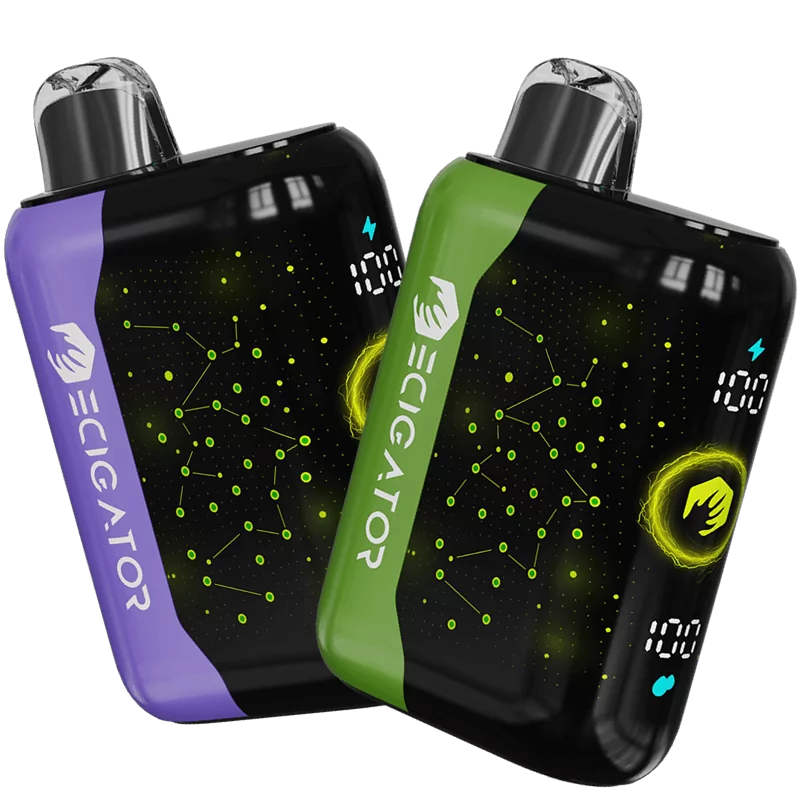
35K with Large Screen
35000 Puffs Disposable Vape with 3D galaxy screen. Eco and Pulse working modes.
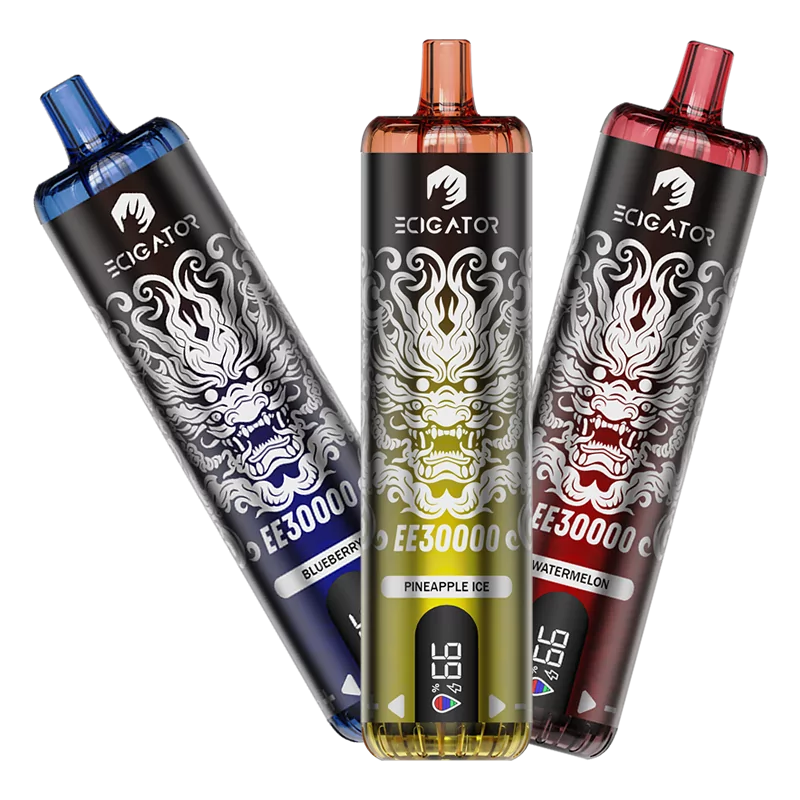
30K DTL Disposable
30K Puffs DTL(Directly to Lung) disposable vape with airflow control and screen.
Conclusion: Legalization Doesn’t Mean Driving High is Legal
As Missourians embrace the new era of legal recreational cannabis, it is absolutely essential to understand that this legalization does not extend to the driver’s seat. Driving while high remains illegal, dangerous, and subject to significant penalties. Without a simple chemical test for impairment, law enforcement relies on keen observation and standardized field sobriety tests to keep impaired drivers off the road. The message from law enforcement is clear: if you choose to consume cannabis, do not get behind the wheel. Plan for a designated driver, use a rideshare service, or wait until the effects have fully worn off. Your safety and the safety of others on the road depend on it.

- Recycling Point, Bin, or Kitchen Drawer? What UK Vapers Actually Do With a Dead Device - September 30, 2026
- How Cannabis Operators Should Qualify a Vape Hardware Supplier - September 30, 2026
- From Distillate to Finished Pod: The Quality-Control Steps Behind a Premium CBD Vape - September 30, 2026
Related posts:
 Wisconsin Vape Law Sparks Lawsuit as Most Products Banned
 Vaping in Hotels: Can They Detect It and What Are the Consequences?
 Singapore Seizes 1,500+ Vapes in 4 Days Amid Crackdown
 FLONQ Max Smart 10000 Puffs Disposable Vape Review
 New Zealand Update Smokefree Laws to Ban Disposable Vape
 Traveling with THC Vapes: Navigating the Complex Legal Landscape

