
5 Legal Risks of Traveling with a Vaporizer & How to Avoid Them
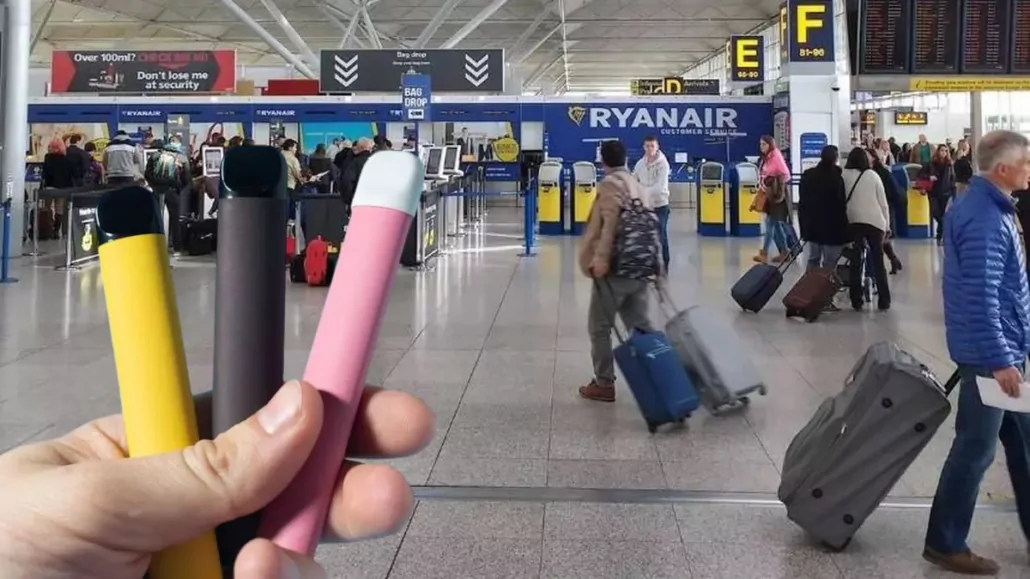
The allure of bringing your trusty vaporizer along on an international adventure is understandable. Whether for nicotine delivery or other uses, it’s a familiar comfort in a foreign land. However, the reality of crossing borders with these devices can be a legal minefield, fraught with risks ranging from simple confiscation to fines, detention, and even imprisonment. I learned this the hard way standing in a Turkish airport security line, watching officials pull my device from my carry-on. What followed was three hours of questioning, temporary detention, and nearly missing my flight. Though I eventually continued my journey (minus my confiscated vaporizer), the experience taught me that rules for these devices vary dramatically worldwide.
Navigating the complex web of international laws requires more than just packing your bags. Here are the five biggest legal risks you face when carrying a vaporizer across international borders, along with practical strategies to mitigate them.
1. The “Grey Area” Confusion: Vaporizers vs. E-cigarettes
One of the most common pitfalls for travelers is the regulatory ambiguity surrounding different types of devices. While many countries have established clear laws for standard nicotine e-cigarettes, regulations for dry herb or concentrate vaporizers often lag behind or are deliberately vague. This creates a dangerous “grey area” where enforcement becomes unpredictable.
For example, Singapore has a strict, total ban on e-cigarettes, with severe penalties for possession. However, the law might not explicitly detail every variation of dry herb vaporizer, leaving interpretation up to the individual customs officer. In their eyes, any device that heats a substance for inhalation could be classified as prohibited contraband. Similarly, countries like Thailand and India have draconian bans where tourists have been arrested or extorted for possession, despite seeing locals use them.
How to Mitigate:
- Research Specifically: Don’t just search for “vaping laws.” Look for regulations regarding “electronic smoking devices,” “tobacco products,” and specifically “dry herb vaporizers” for every country on your itinerary.
- Check Official Sources: Rely on government customs websites and official travel advisories rather than just travel blogs, which may be outdated.
- Contact Customs: If the law is unclear, email the destination country’s customs department directly. Print out their response and carry it with you as evidence of your due diligence.
- Manufacturer Documentation: Carry the device’s manual or manufacturer specifications that clearly state its intended use (e.g., for aromatherapy or tobacco), which might help clarify its purpose during an inspection.
2. The Invisible Threat: Residue and Substance Laws
Even if the device itself is legal, what’s on it can land you in serious trouble. Many travelers fail to realize that microscopic residue from cannabis or other controlled substances can trigger positive results on customs swab tests. In countries with zero-tolerance drug policies—such as Japan, United Arab Emirates, or Indonesia—trace amounts of residue can be legally equivalent to possession of the drug itself.
I’ve seen online discussions about vaping cannabis safely in legal states like California or Canada, but those same travelers often forget that federal borders and international customs operate under different, often much stricter, jurisdictions. A device used legally in Denver could become a felony in Dubai.
How to Mitigate:
- Deep Cleaning: Before travel, meticulously clean your device. Disassemble every part—mouthpiece, chamber, screens, airpath—and soak them in high-percentage isopropyl alcohol (90%+). Use pipe cleaners and cotton swabs to scrub every crevice.
- The “Travel-Only” Device: The safest option is to maintain a separate, inexpensive vaporizer strictly for travel that has never been used with controlled substances. This eliminates the risk of residue entirely.
- Legal Use Only: If you must bring your main device, ensure you run multiple cleaning cycles and use it only with legal herbs (like tobacco or lavender) for a significant period before your trip to help mask or remove traces.
3. Aviation Safety: The Battery Problem
Beyond drug laws, aviation safety regulations regarding lithium-ion batteries are strict and universally enforced. Vaporizers, particularly those with non-removable batteries, pose a fire risk if damaged or activated in the cargo hold. Following incidents of battery fires, the International Civil Aviation Organization (ICAO) and airlines have tightened rules.
Placing a vape with a built-in battery in your checked luggage is a major violation that can lead to your bag being opened, the device confiscated, and you being pulled off the flight. Even in carry-ons, there are limits on battery size and quantity.
How to Mitigate:
- Carry-On Only: Always pack your vaporizer and any spare batteries in your carry-on luggage. Never check them in.
- Battery Safety: If your device has removable batteries, take them out and store them in a dedicated plastic battery case to prevent short-circuiting. Do not let loose batteries roll around with keys or coins.
- Tape Terminals: For built-in batteries, ensure the device is turned off and consider taping over the activation button or firing mechanism to prevent accidental activation.
- Know the Limits: Check your airline’s specific policy on watt-hour (Wh) ratings for batteries. Most allow up to 100Wh, but it’s best to verify.
4. Import Restrictions and Unexpected Duties
You might not be arrested, but you could be heavily fined. Some countries view bringing a vaporizer across the border not as personal possession, but as importation. This can trigger massive customs duties or outright bans on “importing” electronic vaping devices.
Japan, for instance, allows nicotine-free vapes but strictly regulates nicotine-containing e-liquids, often requiring medical paperwork for imports beyond a small personal allowance. Mexico and Brazil have fluctuated between bans and strict regulation, often seizing devices at customs checkpoints upon arrival. You could face a choice: pay a tax that exceeds the device’s value, or abandon it.
How to Mitigate:
- Check Allowances: Verify the “personal use” allowance for your destination. Is it one device? Two? Does it depend on the value?
- Bring Receipts: Carry the original purchase receipt to prove the device’s value. This prevents customs officers from arbitrarily assigning a high value and charging exorbitant taxes.
- Temporary Importation: For very expensive rigs, look into “temporary admission” procedures or ATA Carnets, which prove you intend to leave the country with the device, potentially exempting you from duties.
Ecigator is one of the well-known vape brands spun off from KangSiDe Technology Co., Ltd, it’s an ISO-certified disposable vape manufacturer for OEMs, ODMs, and OBM since 2010. The founder team comes from top firms with more than 10 years of experience in the vaping industry and has devoted thousands of hours to providing users with a better and better experience.
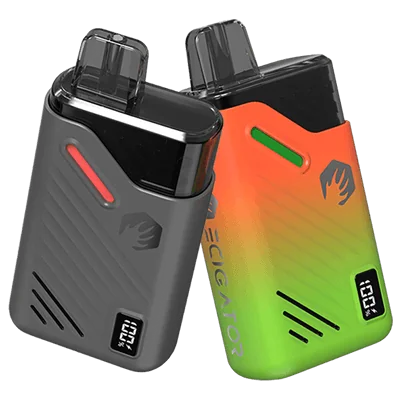
18K Disposable Pod Kit
Disposable Pod Kit – 18ml changeable pod with 650mAh rechargeable battery.
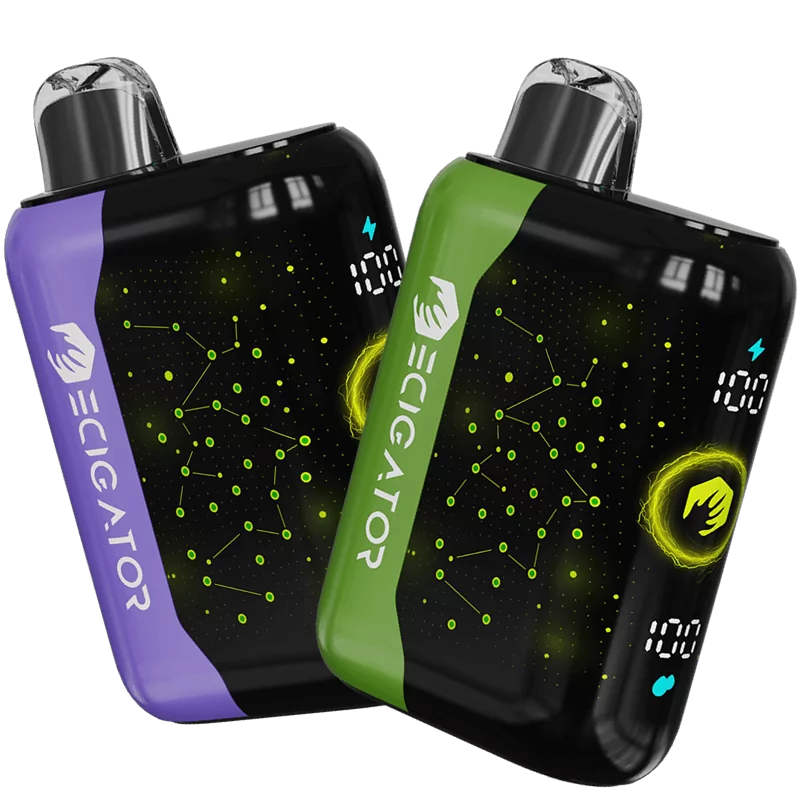
35K with Large Screen
35000 Puffs Disposable Vape with 3D galaxy screen. Eco and Pulse working modes.
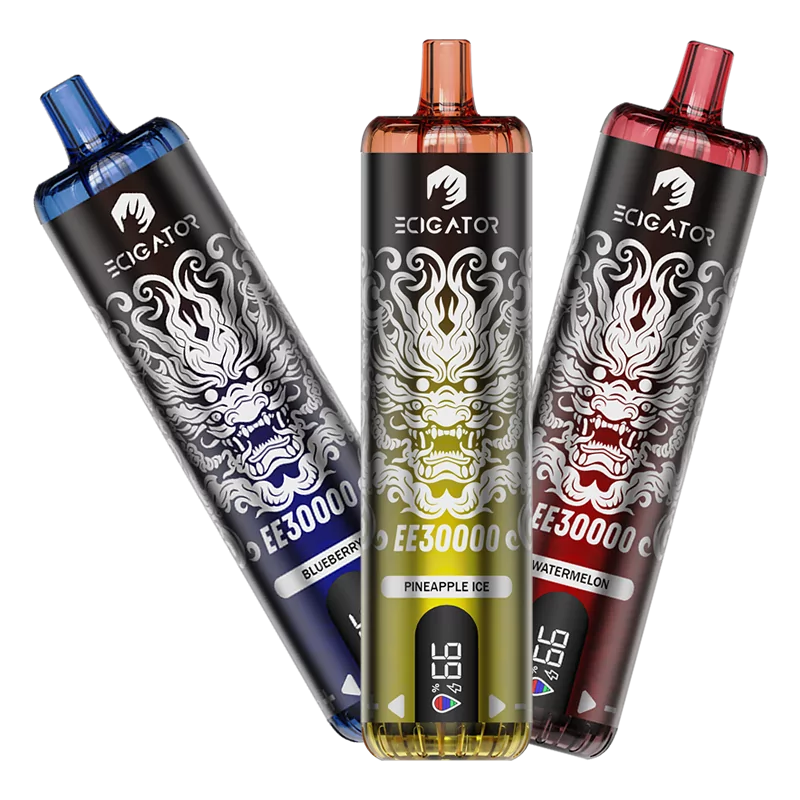
30K DTL Disposable
30K Puffs DTL(Directly to Lung) disposable vape with airflow control and screen.
5. The Volatility of Enforcement
Perhaps the most frustrating risk is inconsistency. Laws change rapidly, and enforcement can depend entirely on the mood of the officer or the specific airport you enter. A land border crossing might be lax, while the main international airport is strict. What was fine last year might be banned today due to a sudden government decree or health advisory.
How to Mitigate:
- Check for Recent Updates: Don’t rely on a forum post from 2022. Search for news from the last 3-6 months regarding vaping laws in your destination.
- Monitor Expat Forums: Expat communities and travel forums (like TripAdvisor or Reddit) often have the most up-to-date, on-the-ground reports of enforcement trends.
- Be Prepared to Abandon It: Never travel with a device you can’t bear to lose. If a customs officer says “no,” arguing is rarely effective and can escalate the situation. Surrender the device gracefully and move on.
Final Thoughts: Is It Worth It?
Traveling internationally with a vaporizer involves navigating a complex landscape of health laws, drug policies, and aviation safety rules. While proper preparation—thorough research, meticulous cleaning, and battery safety—can mitigate many risks, the possibility of confiscation or legal trouble never completely disappears. In countries with severe penalties, the only foolproof solution is to leave your device at home. Weigh the convenience against the potential consequences, and consider buying a cheap, disposable alternative at your destination if local laws permit. Safe travels!

- Indonesia: Denpasar Updates Smoke-Free Bylaw to Tighten Vape Rules - October 20, 2026
- Teen Girls Surpass Boys in Vaping Rates, Reversing Historic Trends - October 20, 2026
- Alabama: Irondale Proposes Public Vaping Ban with Fines Reaching $200 - October 20, 2026
Related posts:
 Is it Illegal to Smoke or Vape With Kids in the Car in New York?
 New Zealand Vaping Laws – Is vape allowed in New Zealand?
 Perceiving Vaping as Safer Helps Young Adults Quit Smoking: Study
 How to Carry Your Vape Responsibly: Regulations, Health, Lifestyle
 8 Creative Ways to Enjoy Vape Juice Without a Vape Device

