
Does the FDA’s Draft Guidance on Flavored Vapes Help Adult Smokers?
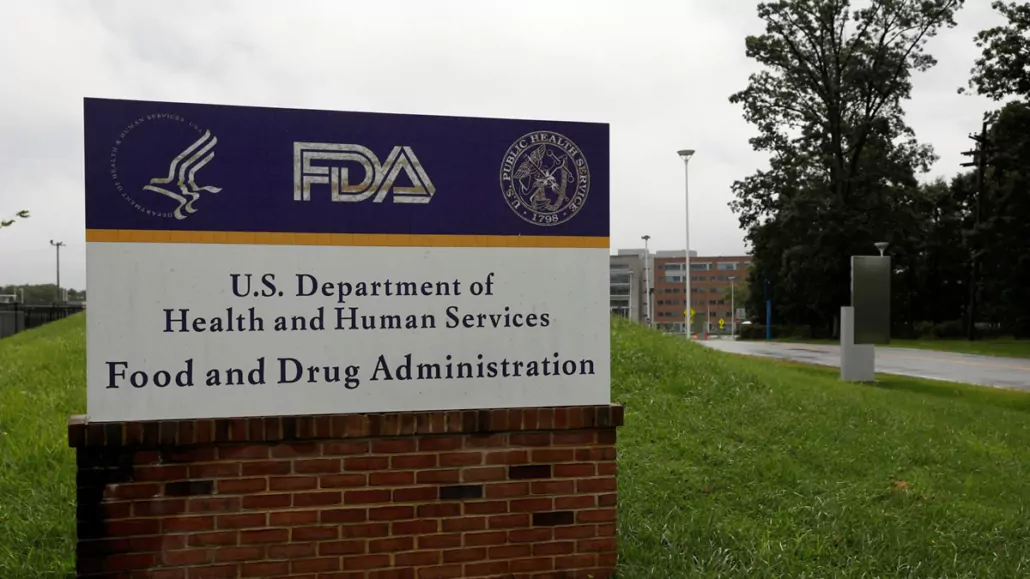
The U.S. Food and Drug Administration’s (FDA) recent draft guidance on flavored e-cigarettes maintains strict barriers against sweet flavors while potentially allowing adult-oriented profiles like mint or coffee. However, critics argue this overly cautious approach fails to provide adult smokers with viable harm-reduction alternatives and ignores the booming illicit vape market.
- Minor Policy Shift: The FDA may consider authorizing mint, spice, and coffee flavors if manufacturers can prove they help adults transition, but fruity and sweet flavors remain effectively banned.
- Unintended Consequences: Research indicates that local flavor bans, such as the one in San Francisco, have actually doubled the odds of high school students smoking conventional cigarettes.
- Illicit Market Dominance: Due to heavy regulatory bottlenecks, an estimated 54% of vape products currently on U.S. shelves are unauthorized, unregulated disposables.
The U.S. Food and Drug Administration (FDA) has issued new draft guidance regarding flavored e-cigarettes, sparking intense debate among public health officials and harm reduction advocates. Occurring against the backdrop of the Department of Health and Human Services’ evolving health agenda, this proposal slightly shifts the agency’s stance by opening a narrow pathway for certain non-sweet flavors. However, data suggests this move does little to combat the growing illicit market or assist adult smokers in transitioning away from combustible tobacco.
Despite the relatively minor nature of the policy update, the reaction from public health activists has been severe. Headlines from mainstream outlets have characterized the move as a major political shift that “rattles public health experts.” Yet, a closer examination of the FDA’s proposal reveals a continuation of heavy-handed regulatory practices rather than a sweeping deregulation of the vaping industry.
Currently, various states and local governments are aggressively banning the sale of flavored tobacco products, often redefining tobacco-free nicotine pouches (like Zyn) as “tobacco” to enforce these bans. The primary justification is that flavors encourage youth initiation, despite existing laws prohibiting sales to anyone under 21.
Harm reduction advocates present a starkly different view. According to British public-health agencies, vaping is estimated to be 95% safer than smoking combustible cigarettes. Furthermore, the availability of flavored products is frequently cited by adult smokers as a critical enticement to make the switch to lower-risk alternatives.
The FDA’s draft guidance attempts to navigate this tradeoff by categorizing flavors based on their presumed appeal to youth versus their utility for adults.
| Flavor Profile Category | FDA’s Proposed Stance & Evidentiary Burden | Impact on Manufacturers |
|---|---|---|
| Fruit, Candy & Sweet | Viewed as a substantial risk for youth initiation. Faces an exceptionally high burden of proof to demonstrate adult benefits outweigh youth risks. | Effectively faces a continued ban; authorization is highly unlikely under current guidelines. |
| Mint, Spice & Coffee | Viewed as potentially appealing to adults transitioning from smoking. | Must undergo a long, costly bureaucratic process to prove these specific flavors are more effective than tobacco flavors for adult cessation. |
| Tobacco Flavor | Standard baseline; generally accepted as not disproportionately appealing to youth. | Standard Pre-Market Tobacco Product Application (PMTA) process applies. |
Critics argue that the FDA’s cautious approach ignores critical real-world data regarding the failure of prohibitionist policies. A 2024 study by Yale researchers analyzing San Francisco’s flavored vaping ban yielded alarming results. After the ban was implemented, the odds of high school students smoking conventional cigarettes doubled in the district compared to areas without a ban.
Furthermore, the FDA’s stringent refusal to authorize a wider variety of e-cigarette products has inadvertently fueled a massive black market. Public health experts at the R Street Institute estimate that 54% of vape products currently sold in U.S. retail environments are unauthorized.
These illicit products are predominantly cheaply manufactured disposables imported without any regulatory oversight. By making it exceedingly difficult to sell scientifically reviewed, legally authorized cigarette alternatives, current policies are pushing consumers toward unregulated and potentially more dangerous products.
Ultimately, while the FDA’s latest draft guidance acknowledges that some flavors might help adults, the bureaucratic hurdles remain immense. Rather than fostering a safer, regulated marketplace for adults seeking to quit smoking, the agency continues to prioritize restrictive measures that historical data suggests may actually drive youth toward combustible cigarettes and adults toward the illicit market.
- Read more: FDA’s 2026 Flavored Vape Guidance: The PMTA Threat to Independent Manufacturers
- Reference: FDA Vaping Rules: Much Ado About Very Little

- Indonesia: Denpasar Updates Smoke-Free Bylaw to Tighten Vape Rules - October 20, 2026
- Teen Girls Surpass Boys in Vaping Rates, Reversing Historic Trends - October 20, 2026
- Alabama: Irondale Proposes Public Vaping Ban with Fines Reaching $200 - October 20, 2026
Related posts:
 UKVIA Launches VApril 2026 to Counter the Tobacco and Vapes Bill
 New Study Claims Vaping Does Not Harm Pregnant Women or Babies
 France Bans Nicotine Pouches: Closing the Regulatory Loopholes
 How Many Cigarettes is an Elf Bar 600 and BC5000?
 Thai Cabinet Approves Ban on E-Cigarettes and E-Hookahs for Students

