FDA’s 2026 Flavored Vape Guidance: The PMTA Threat to Independent Manufacturers
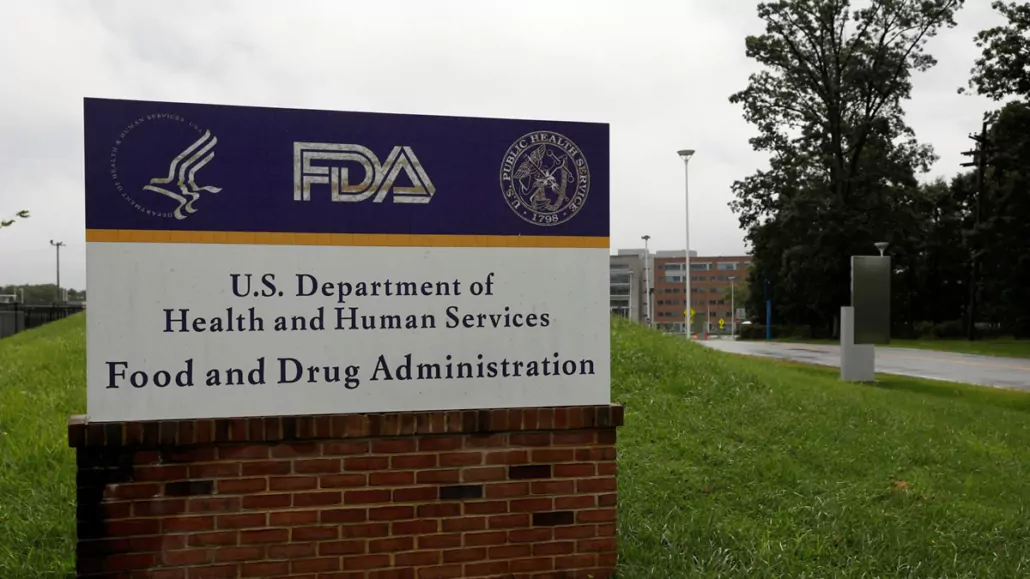
On March 9, 2026, the FDA’s Center for Tobacco Products issued new draft guidance for flavored ENDS PMTAs. The directive mandates a higher evidentiary burden for fruit and dessert flavors, requiring manufacturers to definitively prove adult cessation benefits outweigh youth initiation risks to secure legal US market authorization.
The Evidentiary Burden: Youth Risk vs. Adult Harm Reduction
The newly released document, Flavored Electronic Nicotine Delivery Systems (ENDS) Premarket Applications – Considerations Related to Youth Risk, does not rewrite the regulatory rulebook. Instead, it cements the FDA’s aggressive posture against the independent vaping sector. The Center for Tobacco Products (CTP) explicitly targets fruit, candy, and dessert profiles, categorizing them as severe public health liabilities. To achieve the statutory “appropriate for the protection of the public health” (APPH) standard, applicants face an asymmetrical battle. They must provide transparent, longitudinal science-based assessments proving that the harm reduction benefits for adult smokers transitioning away from combustible cigarettes completely eclipse the inherent risks of youth initiation.
This is not merely a toxicological review; it is a behavioral one. The FDA demands concrete evidence that specific flavor profiles serve a distinct adult cessation purpose rather than acting as a catalyst for underage nicotine dependence. For manufacturers, generating this level of behavioral data requires millions of dollars in clinical and demographic research, creating a massive economic barrier to market entry.
Supreme Court Precedent and Big Tobacco’s Monopoly
This regulatory chokehold is backed by recent judicial validation. The U.S. Supreme Court ruling in FDA v. Wages and White Lion Investments affirmed the agency’s authority to demand an extraordinary burden of proof for flavored products compared to tobacco-flavored alternatives. For the independent vaping industry, this draft guidance reads less like a roadmap to compliance and more like a formalized warning sign.
To date, the FDA has granted marketing orders to a mere 41 ENDS products. Every single approved device is a tobacco or menthol flavor manufactured by Big Tobacco conglomerates. While the FDA claims this non-binding guidance will “improve the efficiency” of the Premarket Tobacco Product Application (PMTA) process, industry skepticism remains high. The financial capital required to satisfy these risk-benefit analyses effectively prices out small-to-medium enterprises, consolidating the United States nicotine market into an oligopoly.
| PMTA Evaluation Criteria | FDA Regulatory Stance (2026 Guidance) | Industry Impact |
|---|---|---|
| Flavor Profiles | Fruit/Dessert flavors face maximum scrutiny. | Requires costly behavioral studies to prove adult utility. |
| Risk-Benefit Analysis | Must prove adult cessation outweighs youth risk. | Near-impossible evidentiary threshold for SMEs. |
| Access Controls | Strict limits on sales channels and marketing. | Forces overhaul of digital and retail distribution networks. |
| Historical Approvals | Only 39 products authorized (Tobacco/Menthol). | Signals a continued de facto ban on independent flavored vapes. |
Marketing Restrictions and the Path Forward
Beyond chemical formulations, the FDA is heavily scrutinizing commercial behavior. The guidance dictates that stringent marketing restrictions and access controls are non-negotiable. Manufacturers must demonstrate bulletproof strategies to restrict sales channels, eliminate youth-targeted advertising, and prevent minor exposure. A product with a highly appealing flavor profile will trigger maximum regulatory friction, regardless of its harm reduction potential.
Ultimately, this March 2026 directive offers no dramatic pivot from the FDA’s historical hostility toward flavored vapes. It simply formalizes the high-stakes gauntlet manufacturers must run. Whether this leads to actual authorizations for flavored ENDS in the United States—or merely provides the FDA with a more legally insulated framework for issuing Marketing Denial Orders (MDOs)—remains the industry’s most pressing existential question.

- Indonesia: Denpasar Updates Smoke-Free Bylaw to Tighten Vape Rules - October 20, 2026
- Teen Girls Surpass Boys in Vaping Rates, Reversing Historic Trends - October 20, 2026
- Alabama: Irondale Proposes Public Vaping Ban with Fines Reaching $200 - October 20, 2026