
Studies Show Banning Vapes Increases Traditional Cigarette Smoking
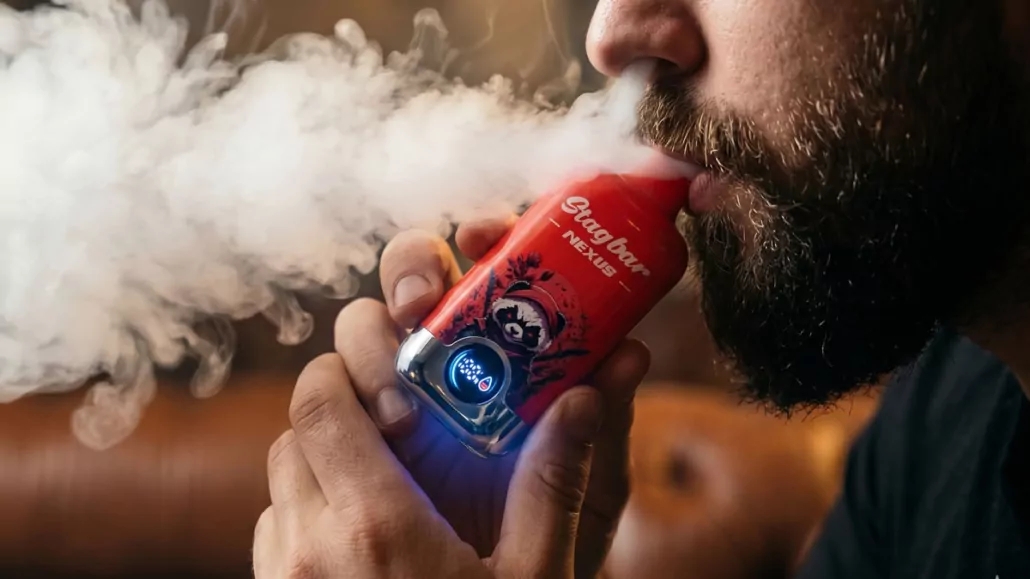
Multiple studies, including recent research from the University of Missouri and Yale, confirm that restricting or banning flavored e-cigarettes has the unintended consequence of driving young adults back to more dangerous traditional combustible cigarettes.
- Unintended Consequences: Public health policies aimed at reducing youth vaping are inadvertently increasing traditional smoking rates.
- Flavor Bans Backfire: Research shows that if vapes were entirely restricted, approximately 40% of users would switch to traditional cigarettes.
- Black Market Boom: Data from China indicates that flavor bans fuel illicit markets, with illegal flavored vapes retaining over half their legal market share.
Researchers from the University of Missouri, the Yale School of Public Health, and other institutions have confirmed that restricting flavored e-cigarettes directly increases traditional cigarette smoking among young adults. Occurring amidst a global push for stricter vaping regulations, these policies are inadvertently steering users toward far more dangerous combustible tobacco products.
According to a study published in Nicotine & Tobacco Research, young adult vapers show low support for sales restrictions. The research highlighted alarming behavioral shifts based on hypothetical bans:
- Partial Bans (Tobacco Flavors Only): 33.2% of users reported they would likely switch to traditional cigarettes.
- Complete Bans: If vape sales were entirely restricted, approximately 40% of users would switch to smoking combustible cigarettes.
Recent data from a joint study by the University of Missouri and the Yale School of Public Health reinforces these findings. Researchers found that while state-level restrictions on flavored e-cigarettes successfully decreased vaping rates, they simultaneously triggered a rise in traditional smoking among young adults compared to states without such bans.
Michael Pesko, an economics professor at Mizzou, warned that these well-intentioned public health policies have severe unintended effects. “It’s the equivalence of steering a ship away from a storm straight into a whirlpool,” Pesko noted, emphasizing that traditional cigarettes pose a far greater health risk.
Furthermore, over-regulation predictably fuels illicit trade. A report analyzing China’s flavor restrictions illustrates how black markets thrive under strict bans. Despite flavored e-cigarettes being illegal, their predicted market share remains at 53% of what it would be legally, as consumers bypass general retailers for alternative, unregulated sources.
Ultimately, while regulators aim to protect public health, aggressively stomping the brakes on vaping—a demonstrably less harmful alternative—appears to be exacerbating the very public health crisis it intends to solve.

- Indonesia: Denpasar Updates Smoke-Free Bylaw to Tighten Vape Rules - October 20, 2026
- Teen Girls Surpass Boys in Vaping Rates, Reversing Historic Trends - October 20, 2026
- Alabama: Irondale Proposes Public Vaping Ban with Fines Reaching $200 - October 20, 2026
Related posts:
 FDA Bans Most Flavored Cartridge-Based E-Cigarettes
 Global Vaping Regulations: A Comparison of UK and US Laws
 Scottish Retailers Voice Opposition to a Total Ban on Disposable Vapes
 Australia’s Baseless Vaping Panic Bringing Unintended Harm
 Elf Bar ELFX Pod Vape Kit Review
 Denver Flavored Nicotine Ban Takes Effect Jan 1, 2026

