
The Silent Shift: How Vaping Became a Staple of Urban Social Life

Vaping has evolved from a niche smoking alternative into a visible fixture of modern urban culture. From bustling cafes to rooftop bars, e-cigarettes are reshaping social interactions in cities. This article explores how technology, convenience, and shifting public perceptions have integrated vaping into the daily rhythm of metropolitan life.
Walk through any major city on a Friday night, and the sensory landscape has undeniably changed. The acrid, lingering smell of cigarette smoke that once defined outdoor terraces and pub gardens is increasingly being replaced by the fleeting, sweet scent of vapor. It is a quiet but profound shift. Vaping, once a utilitarian tool for smokers trying to quit, has graduated into a cultural phenomenon that is deeply woven into the fabric of urban social life.
This transition didn’t happen overnight. It is the result of a convergence of factors: rapid technological innovation, evolving consumer habits, and a changing regulatory environment that has inadvertently made vaping a more socially compatible choice for the modern city dweller.
The New Social Accessory
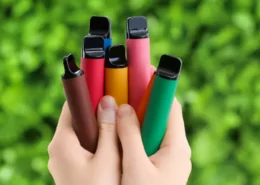
In the fast-paced ecosystem of a city, convenience is currency. The modern urbanite values products that fit seamlessly into a busy lifestyle, and vaping devices have evolved to meet this specific demand. Gone are the days of clunky, complex mods that required a toolkit to maintain. Today’s devices—sleek pod systems and discreet disposables—are designed for portability and ease of use. They slip into a pocket or purse as easily as a smartphone, ready to be used at a moment’s notice.
This form factor has helped normalize vaping in spaces where traditional smoking was becoming increasingly ostracized. In crowded music venues, rooftop bars, and bustling coffee shops, the unobtrusive nature of vapor allows for a more fluid social experience. A vaper doesn’t need to step away from the conversation for ten minutes to stand in a designated smoking cage. They can often remain part of the group, taking a quick puff that dissipates in seconds without saturating their clothes or the surrounding air with smoke.
This integration is visible across diverse demographics. You see it among university students gathering after lectures, professionals decompressing outside office blocks, and creatives networking at gallery openings. For many, the device itself has become a lifestyle accessory—an extension of personal style, available in a myriad of colors and finishes that mirror the aesthetics of high-end consumer tech.
Retail Evolution: From Niche to Mainstream
The physical landscape of the city has shifted to accommodate this growing demand. Ten years ago, finding vape supplies often meant tracking down a specialist store tucked away in a low-rent district. Today, vaping products are as ubiquitous as coffee. High streets feature dedicated vape boutiques with sleek, Apple-store-like interiors, while convenience stores and supermarkets dedicate prime shelf space to the latest pods and liquids.
This retail expansion reflects a maturing market. Major players and established platforms like Ecigator have become household names, offering standardized, reliable products that reassure adult consumers. The rise of online retail has further accelerated this trend, allowing city dwellers to research devices, compare flavor profiles, and order products with the same ease as ordering a takeaway dinner. This digital-first approach aligns perfectly with the habits of the modern urban consumer, who values choice and efficiency above all else.
The Health Debate and Public Perception
Underpinning this cultural shift is a complex ongoing dialogue about health. While no reputable health body claims vaping is risk-free, the narrative in places like the UK has been distinctively pragmatic. Public health organizations have consistently highlighted that for adult smokers, switching to regulated vaping products is significantly less harmful than continuing to smoke combustible tobacco.
This harm-reduction messaging has played a crucial role in destigmatizing the practice. In cities where indoor smoking bans have been in place for nearly two decades, vaping offers a middle ground. It allows nicotine users to satisfy their cravings without the severe social and health penalties associated with cigarettes. For the older demographic, it is often viewed strictly as a cessation tool—a way to reclaim health after years of smoking. For younger adults, however, it is frequently perceived differently: as a modern, tech-forward recreational habit that fits their social identity.
A Tale of Two Generations
Interestingly, urban environments serve as a melting pot for these differing generational perspectives. In a single city square, you might find a 50-year-old ex-smoker using a vape to stay off cigarettes, standing just yards away from a 20-year-old using a disposable device purely for social enjoyment.
This duality is what makes the current moment so unique. Vaping has managed to bridge the gap between a medical necessity and a lifestyle choice. It exists in the grey area between a cessation aid and a recreational product. This flexibility is key to its widespread adoption. It doesn’t belong to a single tribe; it has permeated every layer of the city’s social strata.
The Future of the Urban Vape Scene
As cities continue to evolve, so too will the role of vaping. Regulators face the perpetual challenge of balancing adult access with youth protection, a tension that will likely shape the future availability and visibility of these products. However, the genie is out of the bottle. Vaping has established itself not just as a market segment, but as a visible, integrated component of modern urban interaction. Whether as a tool for harm reduction or a facilitator of social connection, the vape device has firmly secured its place in the pocket of the city dweller.

- Indonesia: Denpasar Updates Smoke-Free Bylaw to Tighten Vape Rules - October 20, 2026
- Teen Girls Surpass Boys in Vaping Rates, Reversing Historic Trends - October 20, 2026
- Alabama: Irondale Proposes Public Vaping Ban with Fines Reaching $200 - October 20, 2026
Related posts:
 Hampshire County Council Demands National Ban on Disposable Vapes in UK
 Air Bar Nex vs. Air Bar Mini: An In-Depth Comparison Review
 Vaping Teeth Staining Nicotine Oral Health: Complete Guide
 Florida Vape Sales Soar, But 90% of Disposables Illegal
 All Unauthorized E-Cigarettes May Be Detained Without Physical Examination
 How Vape Detectors Work: The Ultimate Guide

